With fuel prices and operating costs continuing to challenge the transport sector, Max Airbrake is promoting remanufacturing as a practical alternative to replacing vehicle components. The company believes that refurbishing and restoring parts can help fleet operators reduce expenses while supporting more sustainable business practices.
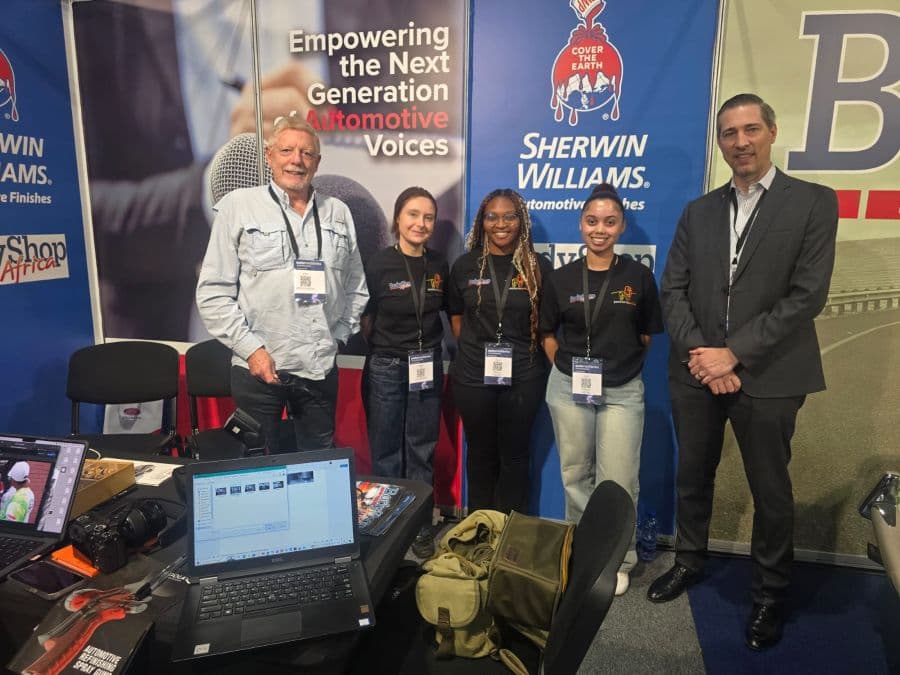
Max Airbrake, a specialist in rebuilding, refurbishing, rebranding and remanufacturing truck air brake systems, participated in Automechanika for the third time on 28 October. According to founder Renier Stevens, the event was particularly significant as the company returned after a two-year absence brought about by difficult market conditions.
Stevens explained that the combined impact of economic pressures and rising fuel prices has placed considerable strain on transport businesses over the past year. He believes remanufacturing provides a viable solution by allowing operators to restore existing components rather than invest in costly replacements.
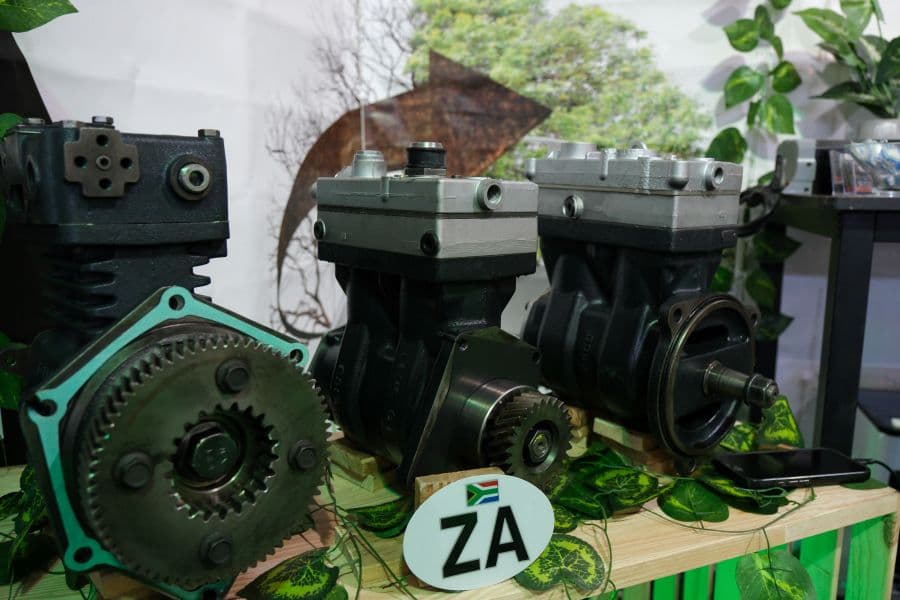
At the core of Max Airbrake's business model is the refurbishment of used parts to restore them to reliable operating condition. Stevens described the process as a practical way for businesses to save money while simultaneously reducing unnecessary waste.
'Instead of throwing parts away, we can restore them and provide the same warranty support offered on original components,' he said.
The company's guiding principle is centred on reusing, recycling and remanufacturing. Stevens believes South Africa's transport and commercial vehicle sectors have an opportunity to adopt greener practices that extend the life cycle of critical vehicle components.
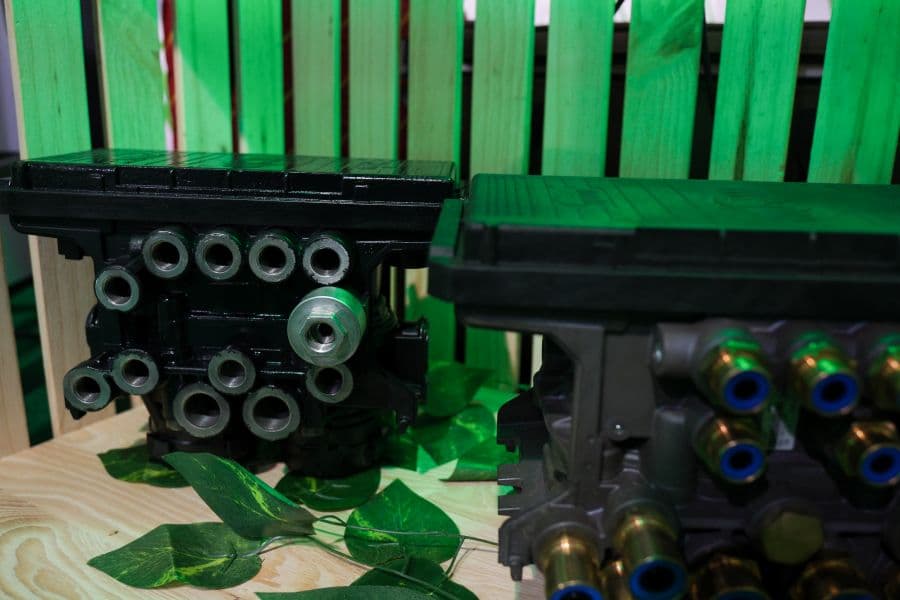
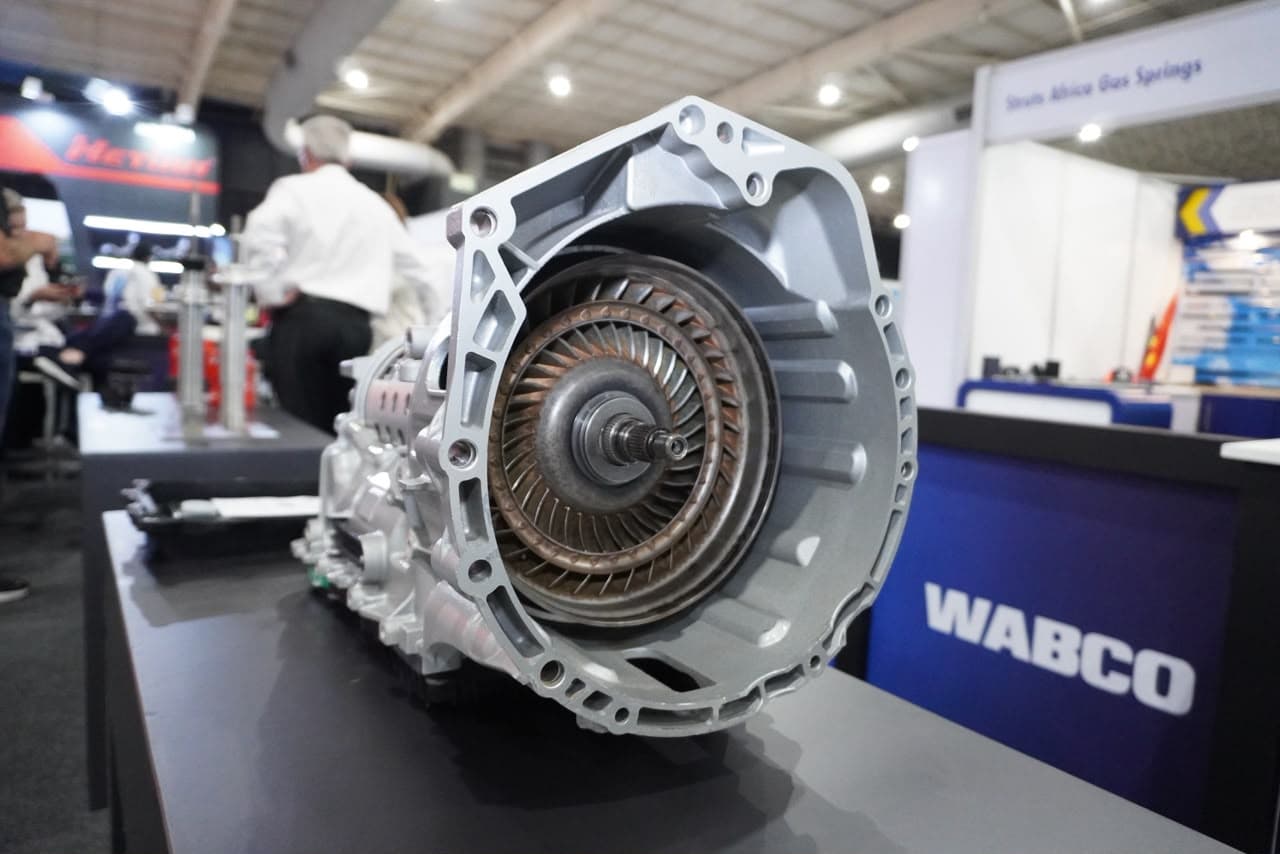
Max Airbrake remanufactures a variety of truck-related systems, including compressors, EBS and ABS units, while also offering engineering services and electronic repairs. Its 1,000m² facility enables repairs, calibration and testing to be completed in-house, supported by a nationwide aftersales service network.
Since air brake systems are among the most important safety components on commercial vehicles, maintaining quality standards remains a priority. Stevens noted that while imported alternatives may sometimes be cheaper, they do not always deliver the same levels of reliability, product support and service.
Looking to the future, Stevens believes the industry should move away from a disposable mindset and instead focus on giving components a second life wherever possible. By remanufacturing rather than discarding parts, transport operators can reduce costs, improve sustainability and help minimise environmental waste.