Nissan Finds a New Use for Pineapple Leaves
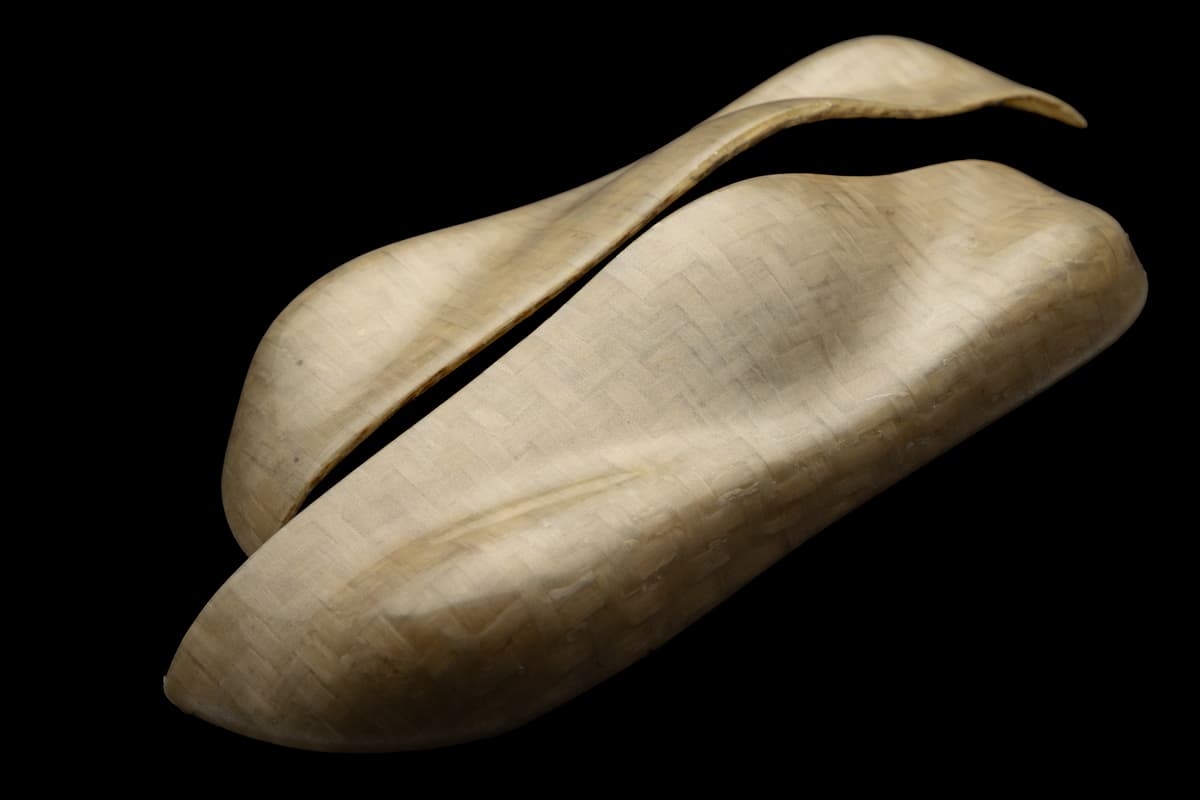
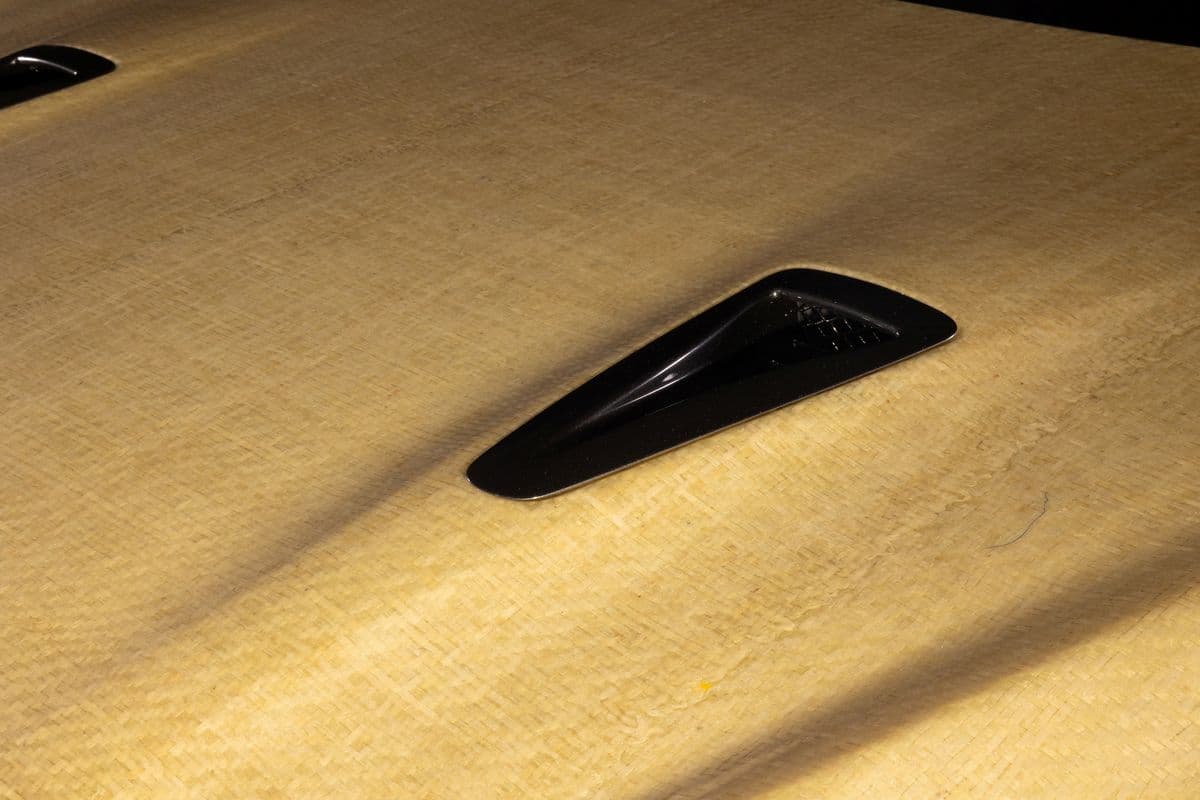
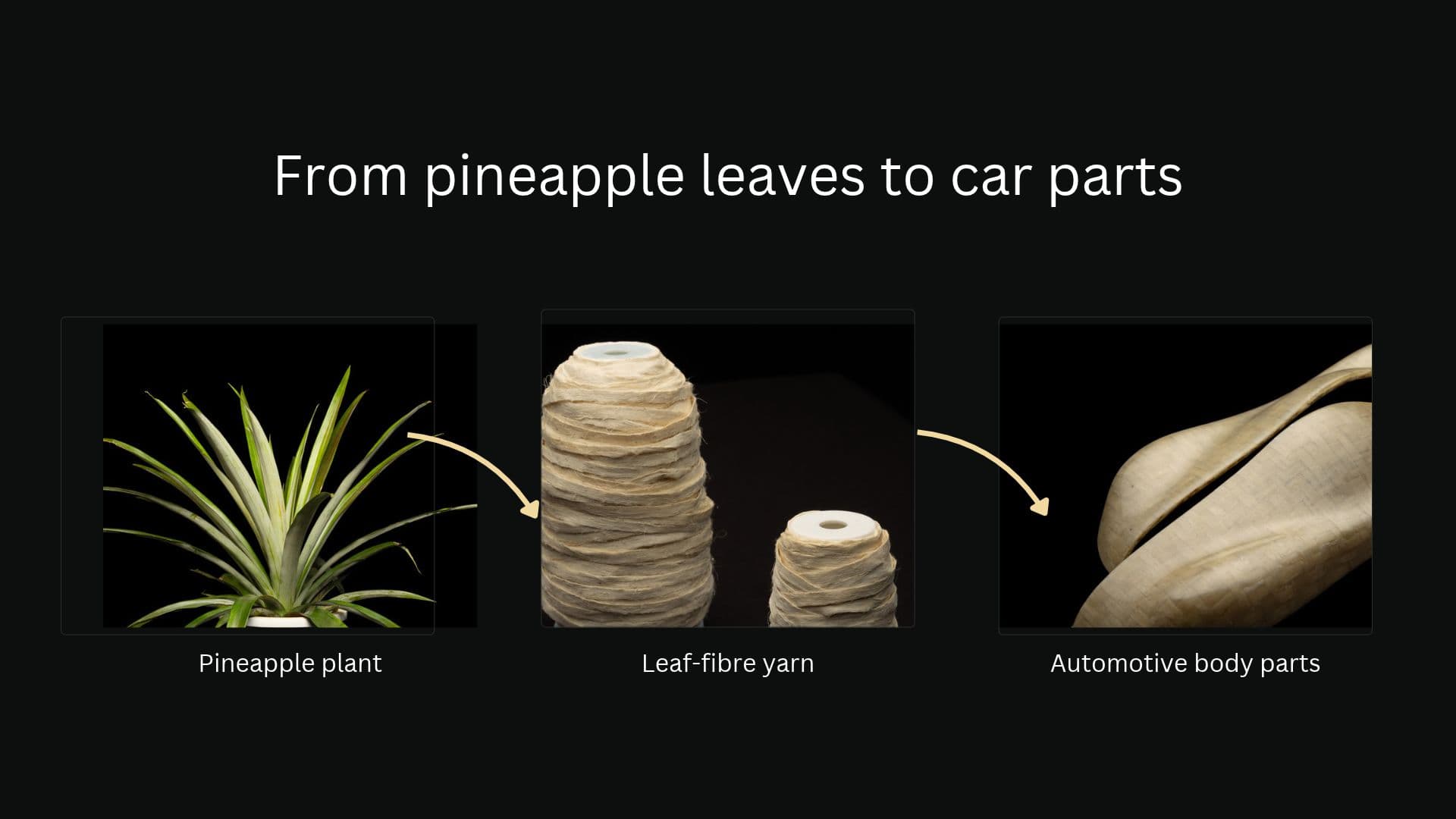
Nissan Motor and FOOD REBORN have unveiled what they describe as the world's first automotive exterior body panels made from natural fibre-reinforced plastic (NFRP) using fibres extracted from pineapple leaves.
The project forms part of Nissan's broader sustainability efforts, aimed at reducing dependence on conventional raw materials by developing lightweight composites with a lower environmental impact. Working together, the two companies have also developed a manufacturing process that converts pineapple leaf fibres into flat yarn and woven fabric suitable for use in high-performance composite materials.
According to Nissan, the new material delivers higher tensile strength than conventional flax-based natural fibre composites already used in automotive applications such as dashboards, door panels, bonnets and aerodynamic components. Its combination of strength and low weight could also make it suitable for motorsport, electric vehicles and applications where noise and vibration reduction are important.
Beyond its performance benefits, the material could help address a significant waste challenge. More than 50 million tonnes of pineapple leaves are discarded globally each year, creating an opportunity to turn an agricultural by-product into a valuable industrial material.
What Nissan Says
Tatsuzo Tomita, Nissan's corporate executive responsible for technology development, said:
“We have created a new fibre-reinforced composite material using pineapple leaves, a by-product that is usually discarded. In addition to its sustainability benefits, this composite material delivers the high levels of performance required in demanding applications such as motorsport.
This project highlights Nissan's strength as a manufacturer. We do more than develop technologies and materials; we have the capability to bring them into real-world vehicle applications and deliver tangible value to customers. Through technological innovation, we will continue creating new value while contributing to a more sustainable society.”
Etsuko Uda, Representative Director and CEO of FOOD REBORN, added:
“Transforming agricultural by-products such as pineapple leaves into high-performance materials for the automotive and sporting goods industries is tremendously significant. Guided by a strong sense of purpose, we remain committed to unlocking new possibilities for these resources.”
Nissan has licensed its production expertise to FOOD REBORN, supporting the manufacture of pineapple-fibre composites and encouraging their adoption in industries beyond automotive manufacturing.
Repairability Considerations
Like other natural fibre composites, pineapple-fibre panels should be able to be repaired using techniques similar to those employed for fibreglass and carbon-fibre structures. However, natural fibres require additional care during the repair process.
One challenge is that natural fibres tend to fray during sanding and preparation, unlike synthetic fibres that cut cleanly. They also absorb more resin during repairs due to their hollow, porous structure, which can affect material usage and repair procedures. Moisture management is equally important, as natural fibres can absorb water and swell if exposed through damaged areas. In addition, woven natural-fibre fabrics are generally less flexible than fibreglass when being shaped around complex curves.
The new body panel technology is showcased at the SAMPE Japan Advanced Materials Technology Exhibition 2026, taking place from 18 to 20 November 2026.