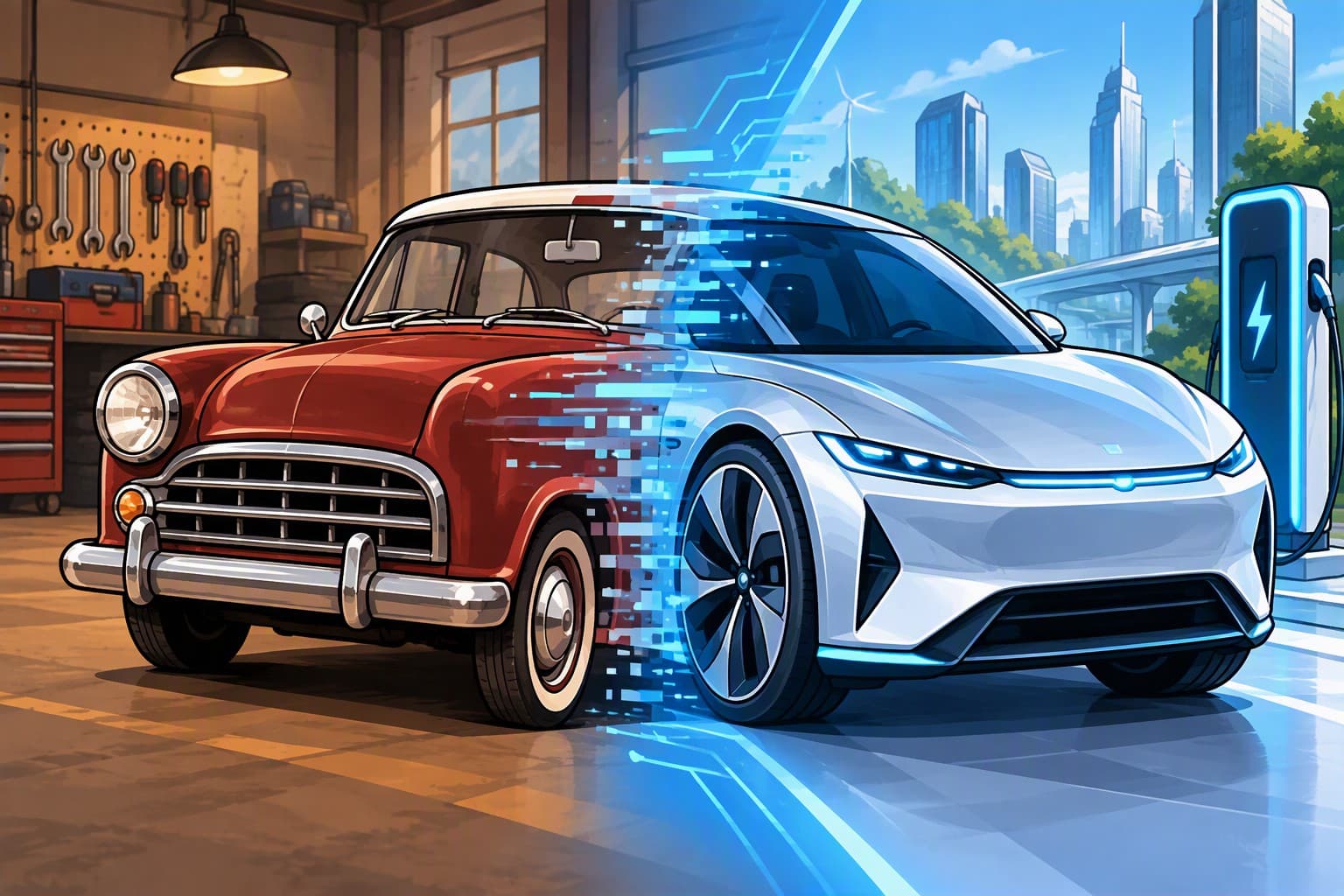
The automotive workshop of today bears little resemblance to the one that existed just two decades ago. Rapid advances in vehicle technology have transformed the technician's role, creating demand for highly skilled professionals who can navigate sophisticated electronic systems while retaining strong mechanical expertise.
As vehicles become increasingly dependent on software, sensors and advanced computing systems, the profession has evolved beyond traditional mechanical repairs. Modern technicians now operate at the intersection of engineering, electronics and digital technology.
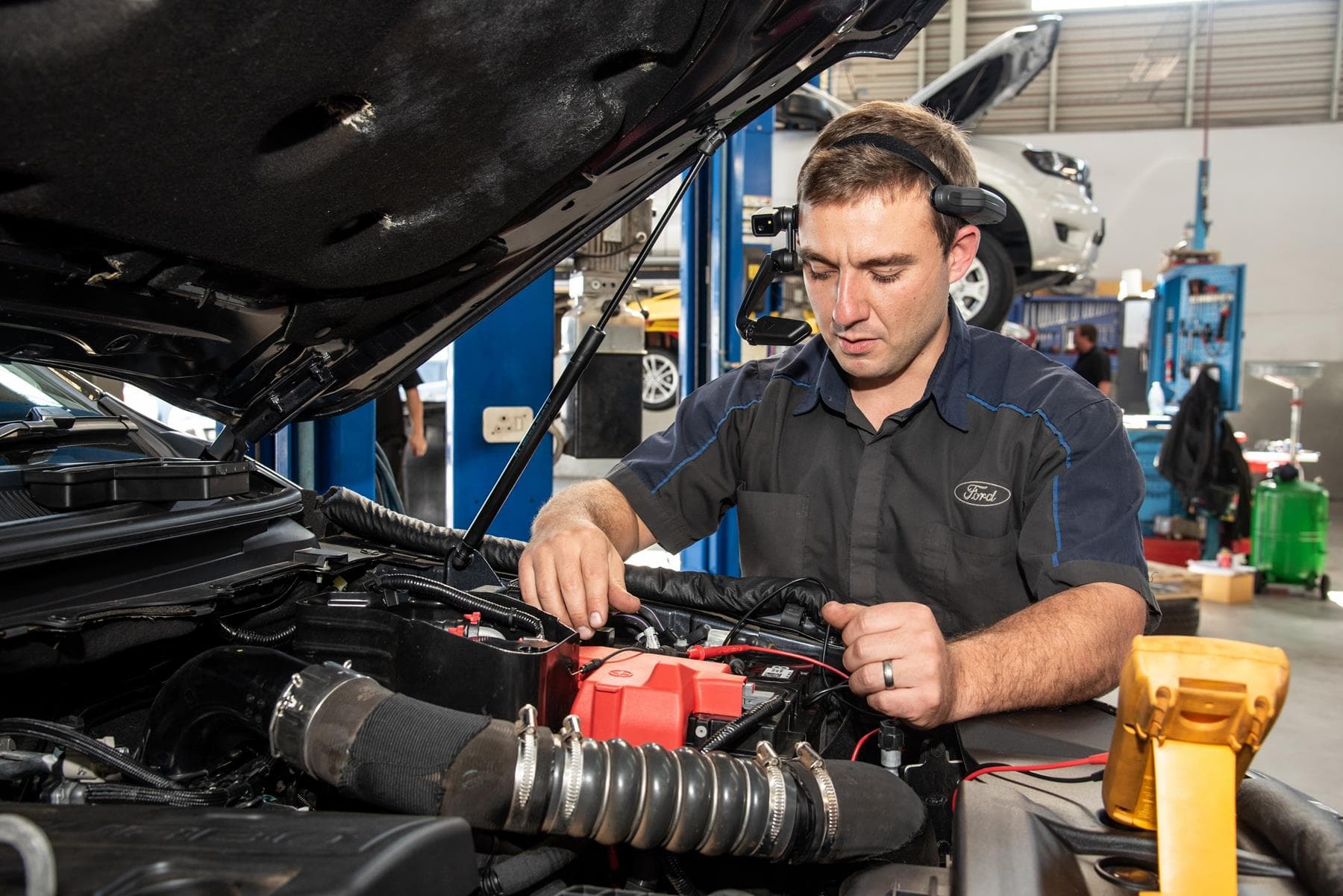
"Today's automotive technicians spend as much time analysing diagnostic data on high-powered laptops and tablets as they do turning a spanner," says Brandon Cohen, Chairperson of the National Automotive Dealers' Association.
This transformation reflects the dramatic evolution of vehicle design. Older vehicles relied heavily on mechanical components and manually adjusted systems. As technology progressed, engine management computers became standard, followed by dedicated control units governing key functions such as braking, safety systems and transmissions.
Modern vehicles now contain dozens of electronic control units that manage everything from advanced driver-assistance systems and radar technology to software updates and electric vehicle battery performance.
As a result, the scope of work for automotive technicians has expanded considerably.
"As vehicles have evolved from purely mechanical machines into complex computers on wheels, the role of the technician has undergone a quiet revolution, turning a traditional trade into one of the most dynamic, high-tech careers available to young people today," says Brandon.
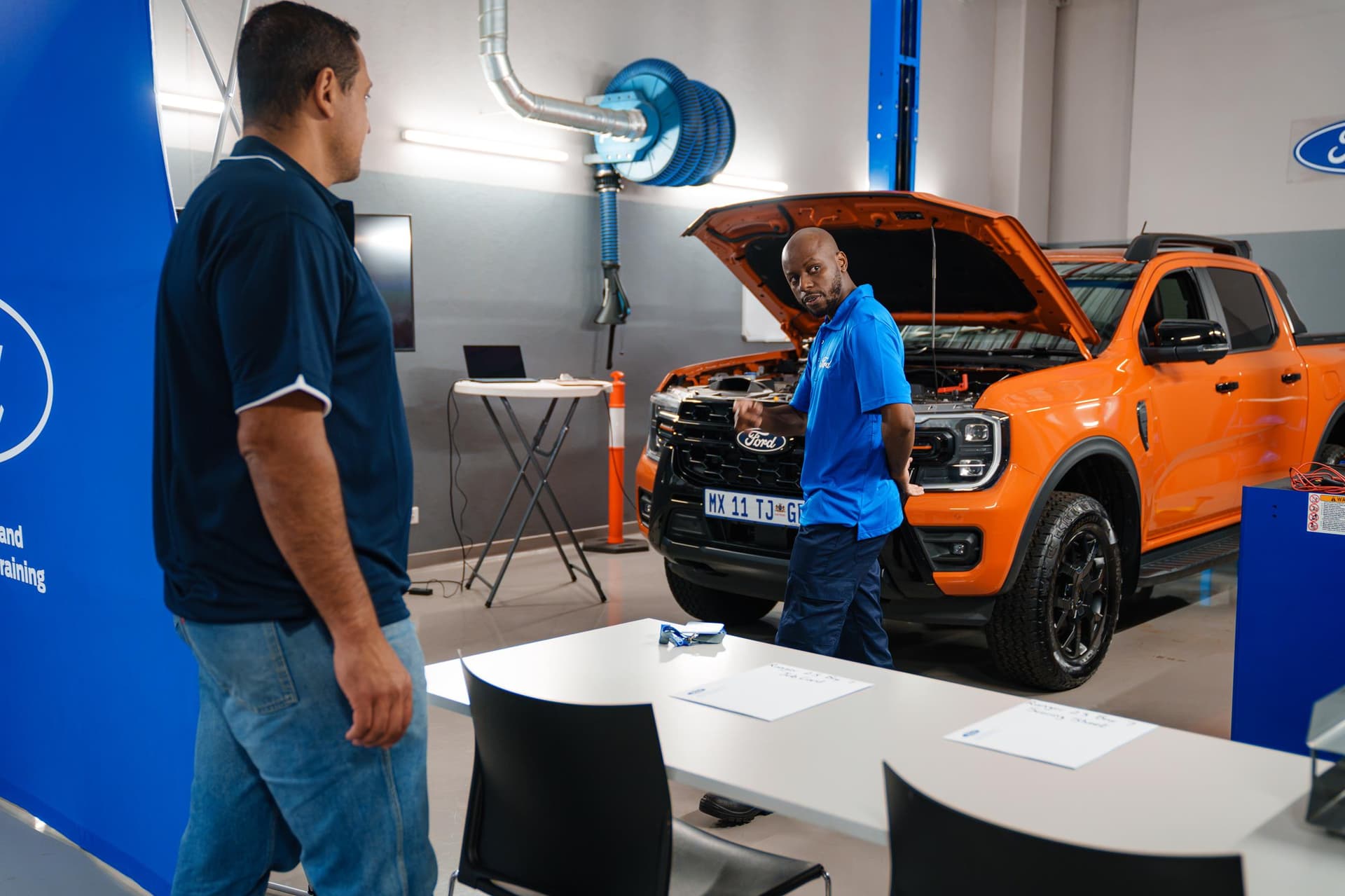
Today's technicians are expected to possess expertise across a range of disciplines. They must be capable of diagnosing software-related faults, interpreting complex electronic data and safely working on high-voltage systems found in hybrid and electric vehicles.
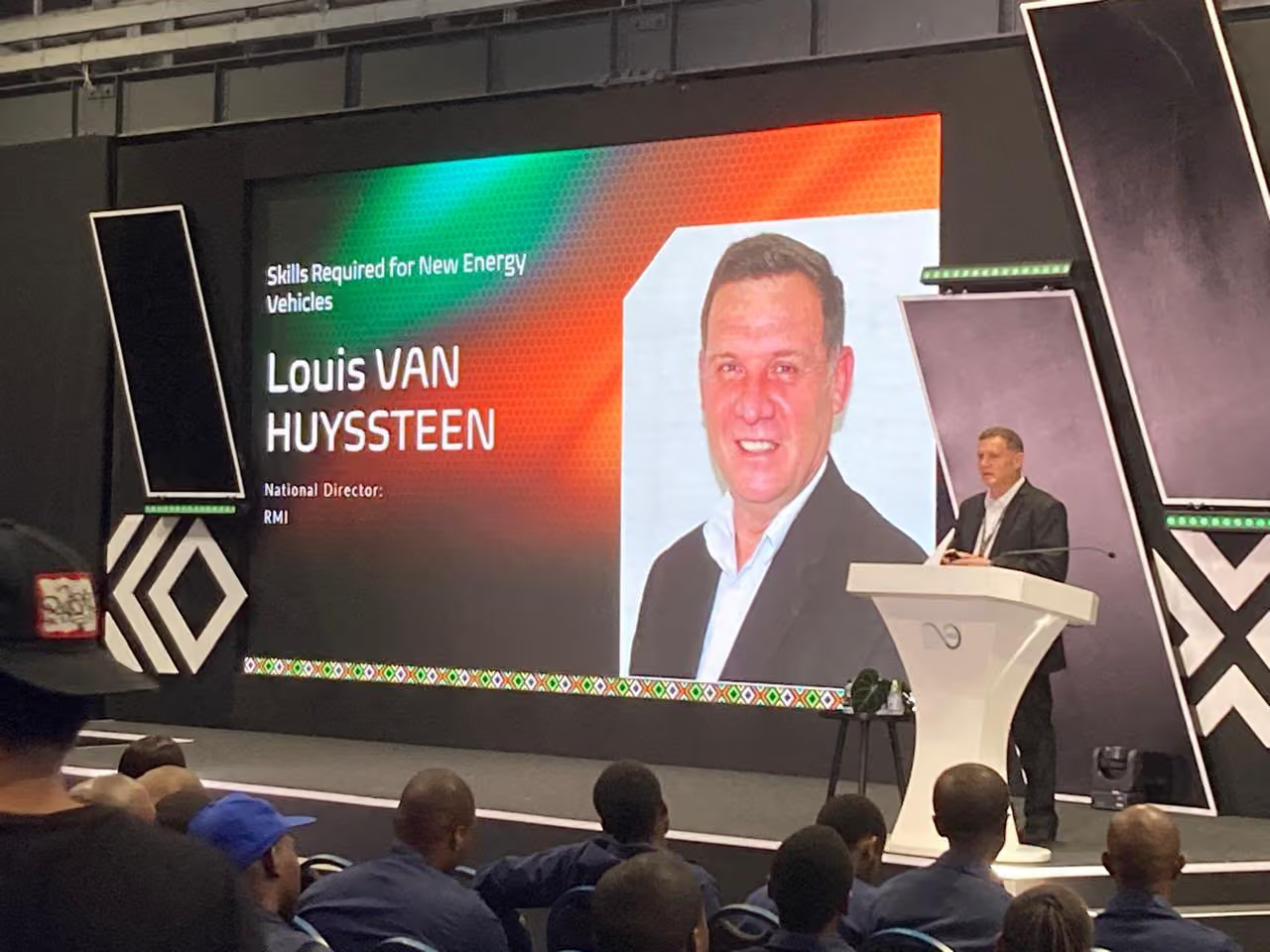
According to Brandon, ongoing training has become essential for anyone wanting to succeed in the industry.
"Today's automotive master technician can legitimately be compared to a medical specialist in terms of the duration, intensity and continuous learning required to excel. They are part mechanical engineer, part software analyst and part electronics expert."
Yet despite the increasing sophistication of modern vehicles, South Africa continues to experience a shortage of qualified automotive technicians. Industry leaders say outdated perceptions of technical trades remain one of the biggest obstacles to attracting new talent.
"Yet, despite this technical complexity, South Africa faces a growing scarcity of qualified automotive technicians," says Brandon. "A key barrier is the persistent stigma surrounding technical trades."
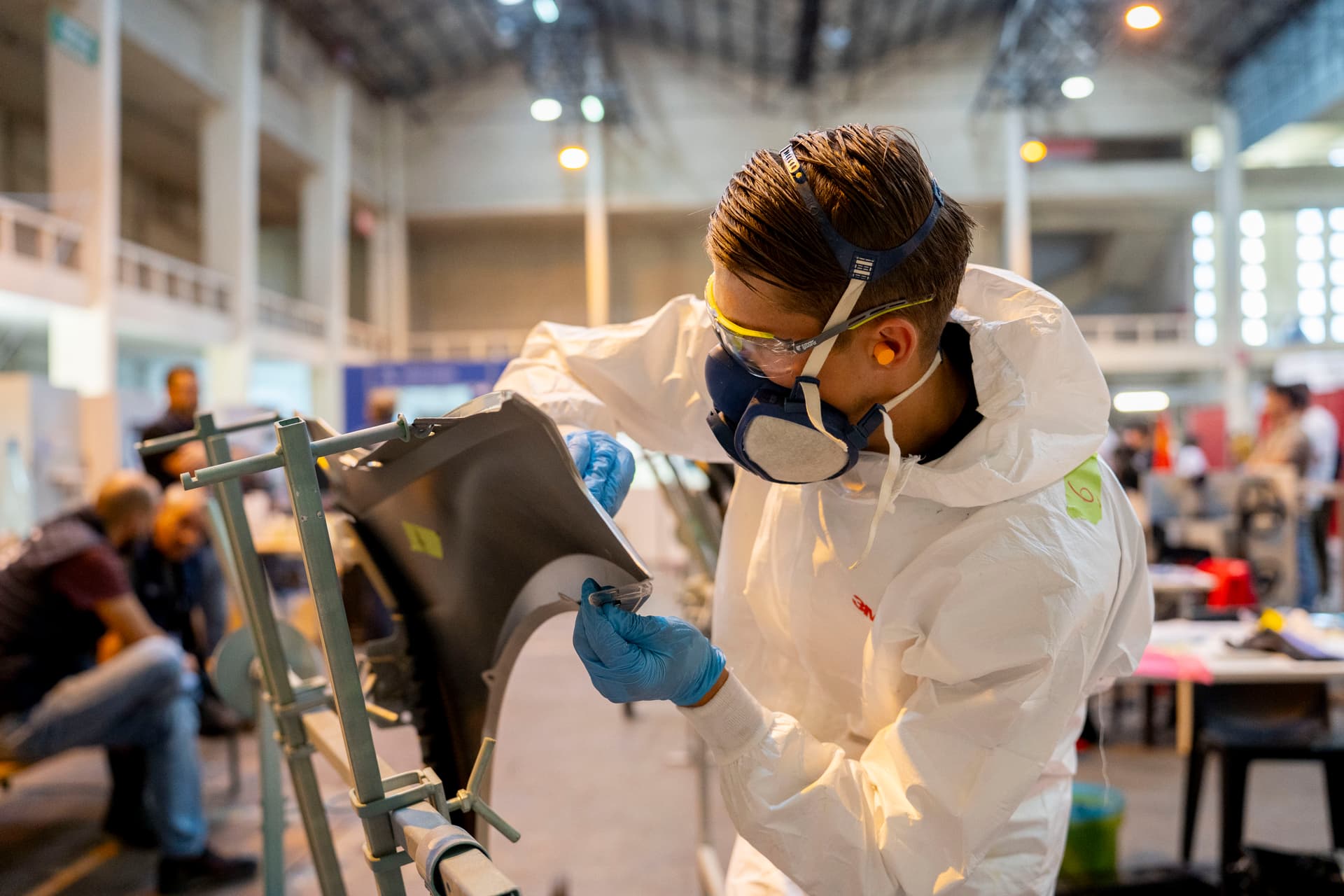
To address this challenge, industry organisations are working to showcase the opportunities available within the sector and modernise perceptions of automotive careers. With connected vehicles, electric mobility and autonomous technologies becoming more prevalent, demand for highly skilled technicians is expected to continue growing.
"It's time to rethink the trade," says Brandon. "The modern technician isn't just fixing cars. They are maintaining the complex, computerised mobility systems that keep South Africa moving."