MIWA and RMI strengthen skills development partnership with College of Cape Town
Developing a steady pipeline of qualified automotive technicians requires strong collaboration between industry and educational institutions. To support this objective, the Retail Motor Industry Organisation (RMI) and the Motor Industry Workshop Association (MIWA) have reinforced their commitment to skills development through their ongoing partnership with the College of Cape Town’s Athlone Campus.
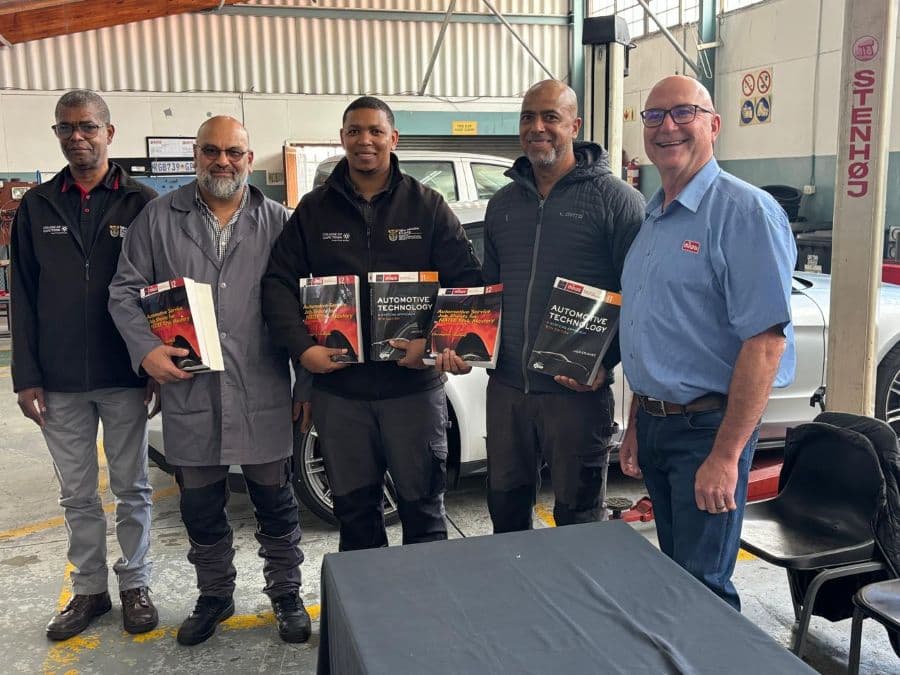
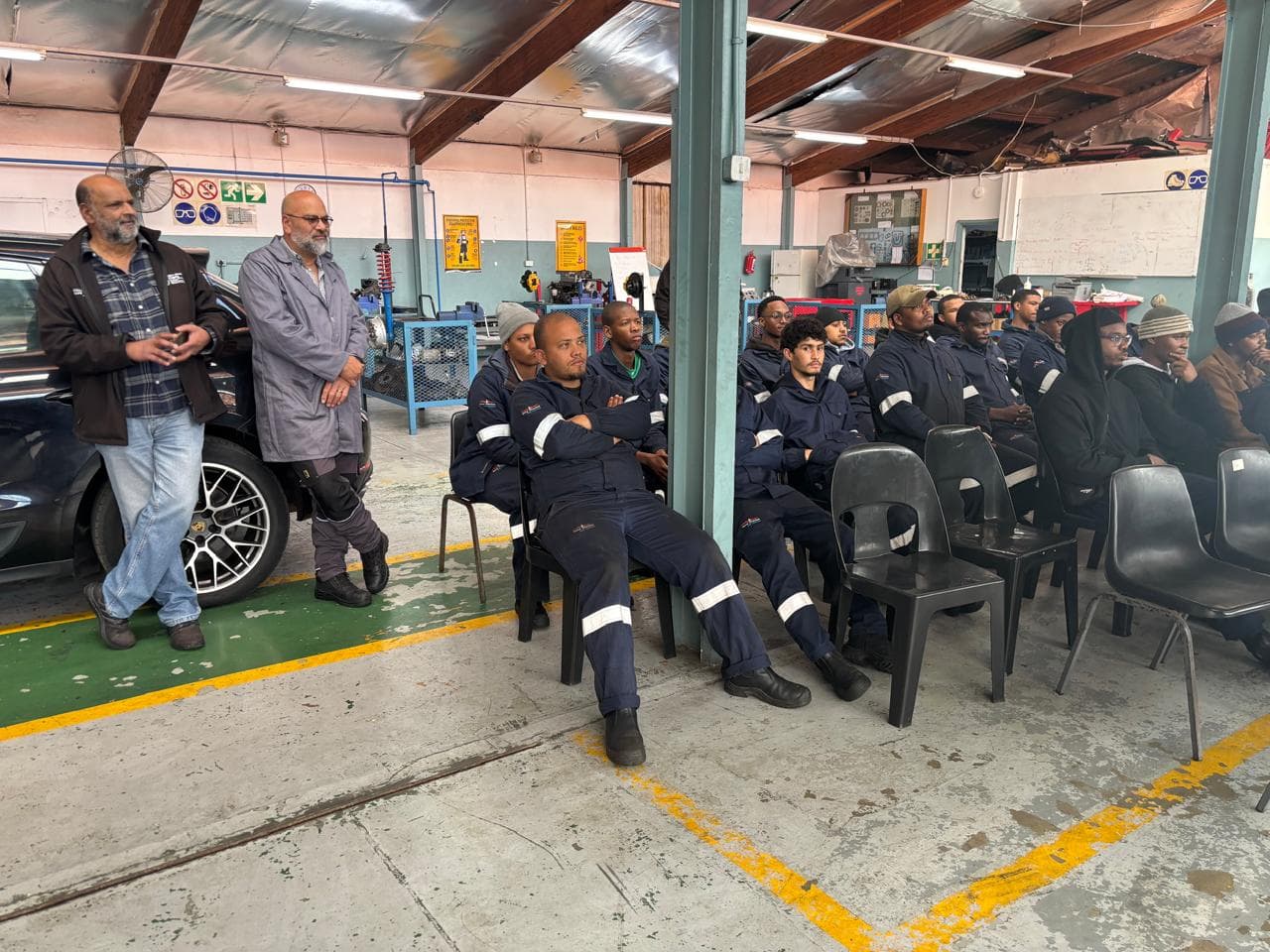
During a recent visit to the campus, RMI National Training Director Louis van Huyssteen and MIWA National Director Pieter Niemand met with lecturers, staff and apprentices at the institution. The Athlone Campus serves as a Department of Higher Education and Training (DHET) Centre of Specialisation for the Occupational Certificate: Automotive Motor Mechanic qualification.
As part of the engagement, educational and technical learning resources were donated to both apprentices and lecturers. The initiative is intended to strengthen practical training and ensure learners have access to information and materials that reflect current industry requirements.
Preparing students for a changing industry
The automotive sector is evolving rapidly, driven by advances in vehicle electronics, diagnostics and emerging propulsion technologies. As a result, access to current technical knowledge has become increasingly important for both students and educators.
Vehicle diagnostics now represent approximately one-third of the automotive motor mechanic curriculum, making it essential for aspiring technicians to understand increasingly sophisticated vehicle systems and repair procedures.
Supporting lecturers is equally important, as well-equipped educators are better positioned to deliver high-quality technical training in classroom and workshop environments. This ultimately benefits apprentices preparing to enter the automotive industry.
Supporting future mobility technologies
The Athlone Campus is also helping prepare artisans for the next generation of vehicle technologies through its participation in an international electromobility initiative.
The college is one of three South African TVET institutions collaborating with the German Chamber of Crafts Erfurt (Handwerkskammer Erfurt). The partnership reflects the growing importance of equipping technicians with the skills required to service emerging technologies, including electric vehicles and advanced mobility systems.
As the automotive sector transitions toward electrification and increasingly connected vehicles, specialised training will become critical to ensuring South Africa’s technical workforce remains globally competitive.
Industry commitment to skills development
Louis van Huyssteen acknowledged the commitment demonstrated by RMI CEO Ipeleng Mabusela and Chief Operating Officer Henk Ferreira in advancing skills development and technical training across the industry.
He also recognised the contribution of the College of Cape Town team in delivering quality technical education and creating opportunities for the next generation of artisans.
Van Huyssteen encouraged vehicle manufacturers and distributors to become more actively involved in supporting training initiatives, either directly or through partnerships with the RMI and accredited Skills Development Providers throughout South Africa.
Greater industry participation, he noted, would help strengthen training capacity and ensure learners gain access to the latest technical knowledge, equipment and resources.
Investing in the future workforce
For MIWA, developing skilled artisans remains a strategic priority as workshops adapt to technological advances and changing customer expectations.
“For MIWA members, investing in artisan development is an investment in the future capability of their businesses and the broader aftermarket. A sustainable pipeline of skilled technicians is essential to maintaining service standards, responding to changing vehicle technologies and ensuring the industry has the expertise it needs for the future,” said Niemand.
As automotive technology continues to evolve, partnerships between industry bodies and educational institutions will play an increasingly important role in ensuring South Africa develops the skilled workforce needed to support the future of mobility.