South Africa's automotive aftermarket has achieved a significant milestone with the successful completion of the Automotive Machinist Occupational Trade Qualification, a programme designed to address a critical skills gap while supporting the long-term sustainability of the country's remanufacturing industry.
Developed through a collaboration between the Retail Motor Industry Organisation (RMI) Training department and the Automotive Remanufacturers' Association (ARA), the qualification aims to create a stronger pipeline of highly skilled artisans capable of meeting the technical demands of modern automotive engineering and remanufacturing operations.
ARA National Director Attie Serfontein describes automotive machining as one of the industry's most specialised trades and one that requires ongoing investment to secure its future.
“The Automotive Machinist trade is a specialised and essential part of the remanufacturing industry, but it is also a scarce skill that we need to protect and develop for the future,” says Serfontein. “Completing this qualification is an important step towards creating credible career pathways and ensuring that we have the technical expertise needed to sustain quality remanufacturing in South Africa.”
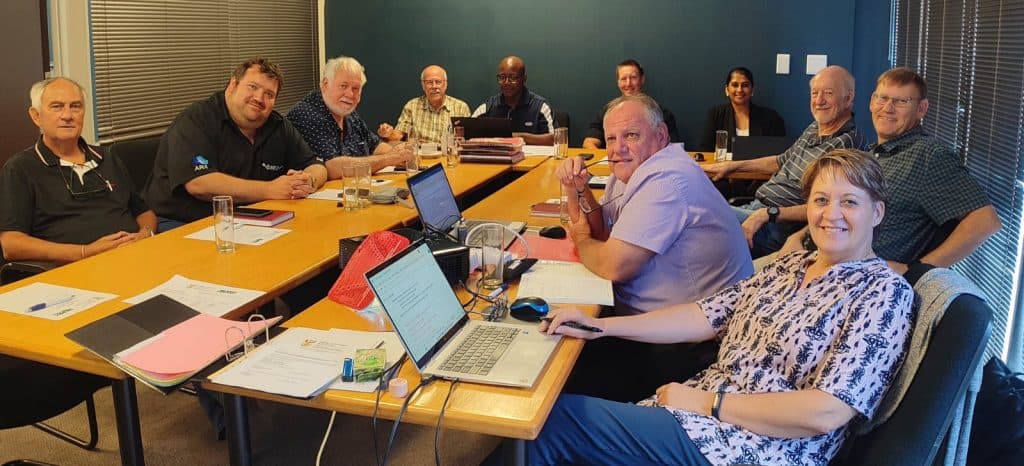
The qualification was developed through a comprehensive industry-driven process involving RMI Training, ARA, the National Artisan Moderation Body (NAMB), the Quality Council for Trades and Occupations (QCTO), merSETA, assessors and technical specialists.
Development accelerated during late 2025 when representatives from industry and training bodies worked together to align trade-test standards, assessment criteria and practical workplace requirements. Subsequent engagements refined both the curriculum and assessment methodology to ensure they reflected current industry expectations and modern engineering practices.
The project also demonstrated the value of collaboration between technical experts and curriculum developers. RMI Training Advisor Teshney Samuel, who participated in the Department of Higher Education and Training's Technical Working Group for the qualification, says the process highlighted the importance of combining industry expertise with sound educational design.
“Although I am not a subject matter expert in automotive machining, the project allowed me to contribute my curriculum design expertise by helping translate technical knowledge and industry requirements into a structured, relevant occupational curriculum,” says Samuel.
Unlike legacy qualifications, the new occupational qualification places greater emphasis on practical workplace competence. Automotive machinists require advanced capabilities in precision machining, measurement, surface finishing and quality control, all of which are essential to the performance and reliability of remanufactured components.
“Professional remanufacturing depends on precision, technical knowledge and consistently high standards,” says Serfontein. “The qualification helps align artisan development with the practical competencies our industry needs, supporting dependable workmanship and a first-time-right approach.”
The qualification has already been tested in a real-world environment through a pilot implementation at Golden Arrow's facilities in the Western Cape. The pilot provided an opportunity to validate both the curriculum and assessment framework against actual workplace requirements.
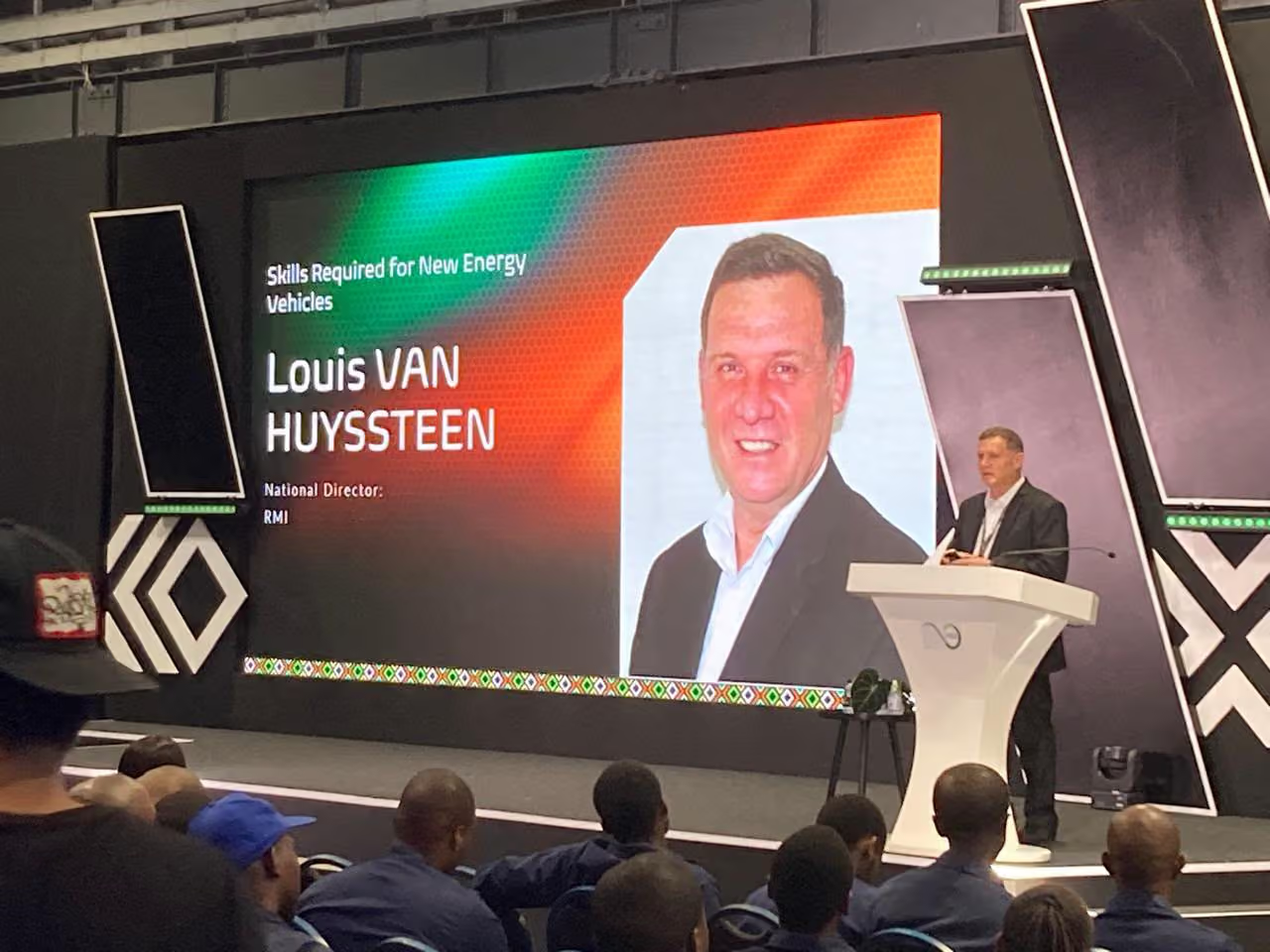
Attention is now turning to rebuilding Automotive Machinist trade-test capacity nationwide. According to RMI National Training Director Louis van Huyssteen, increasing access to accredited trade-test centres is essential if the industry is to produce enough qualified artisans to meet future demand.
“A single facility will not be sufficient to meet national needs,” says Van Huyssteen. “We must explore additional capacity and ensure that candidates have accessible routes from training and workplace experience through to trade testing and formal recognition.”
Beyond skills development, the qualification supports the broader objectives of sustainable remanufacturing by helping extend component life, reducing waste and contributing to the circular economy. For ARA and RMI Training, the focus now shifts to implementation, growing trade-test capacity and developing the next generation of skilled Automotive Machinists who will support the future of South Africa's remanufacturing sector.