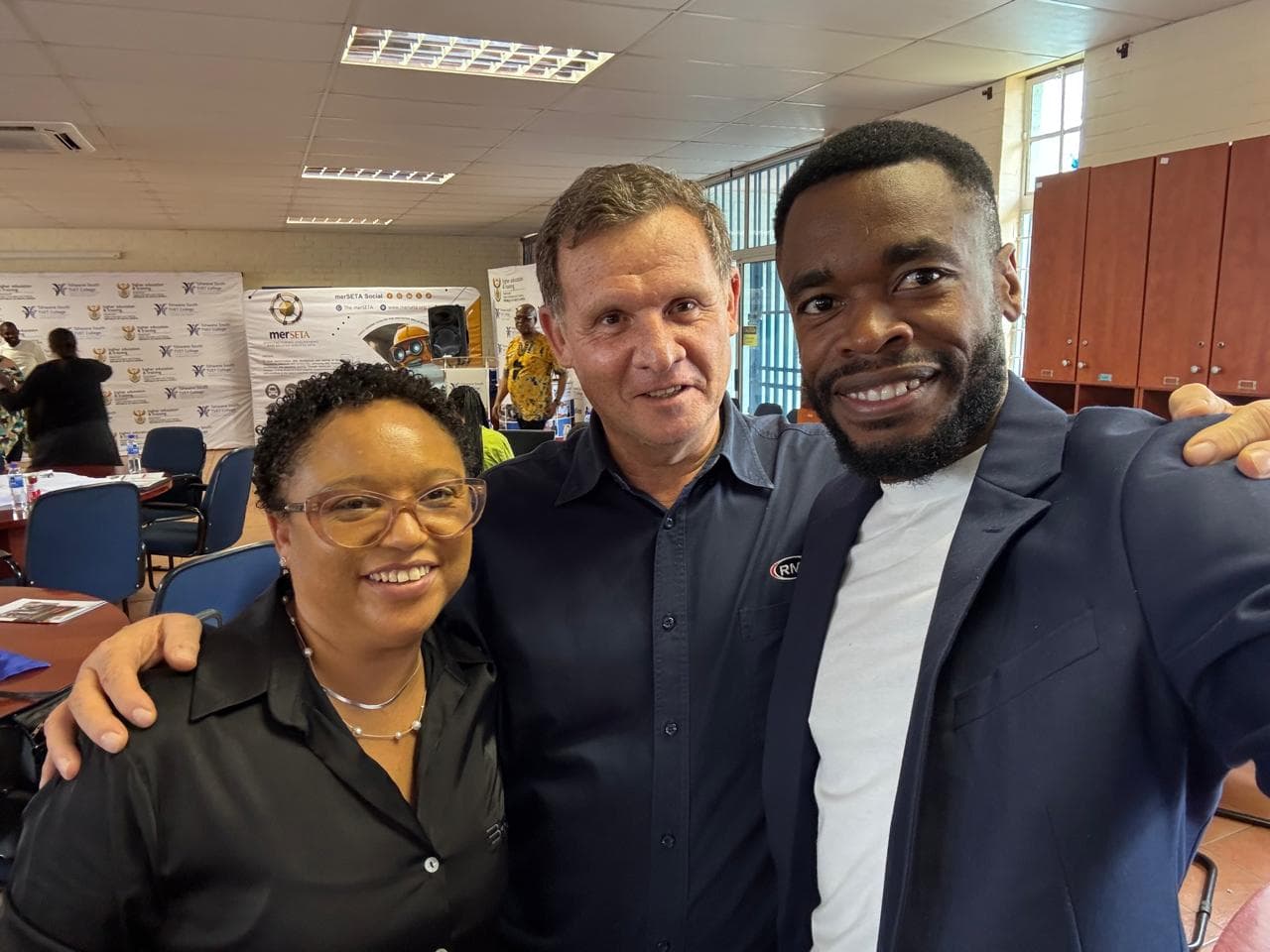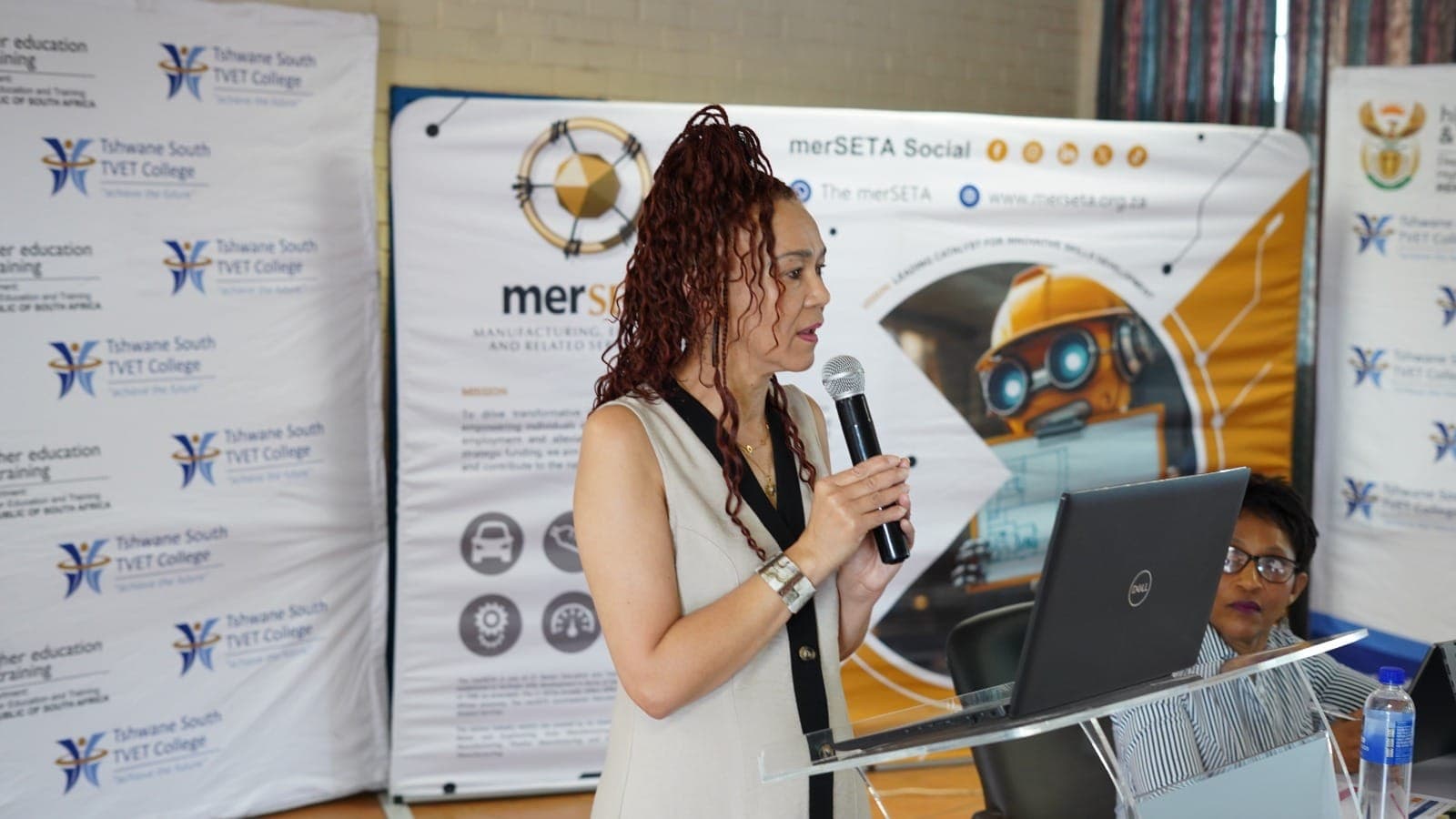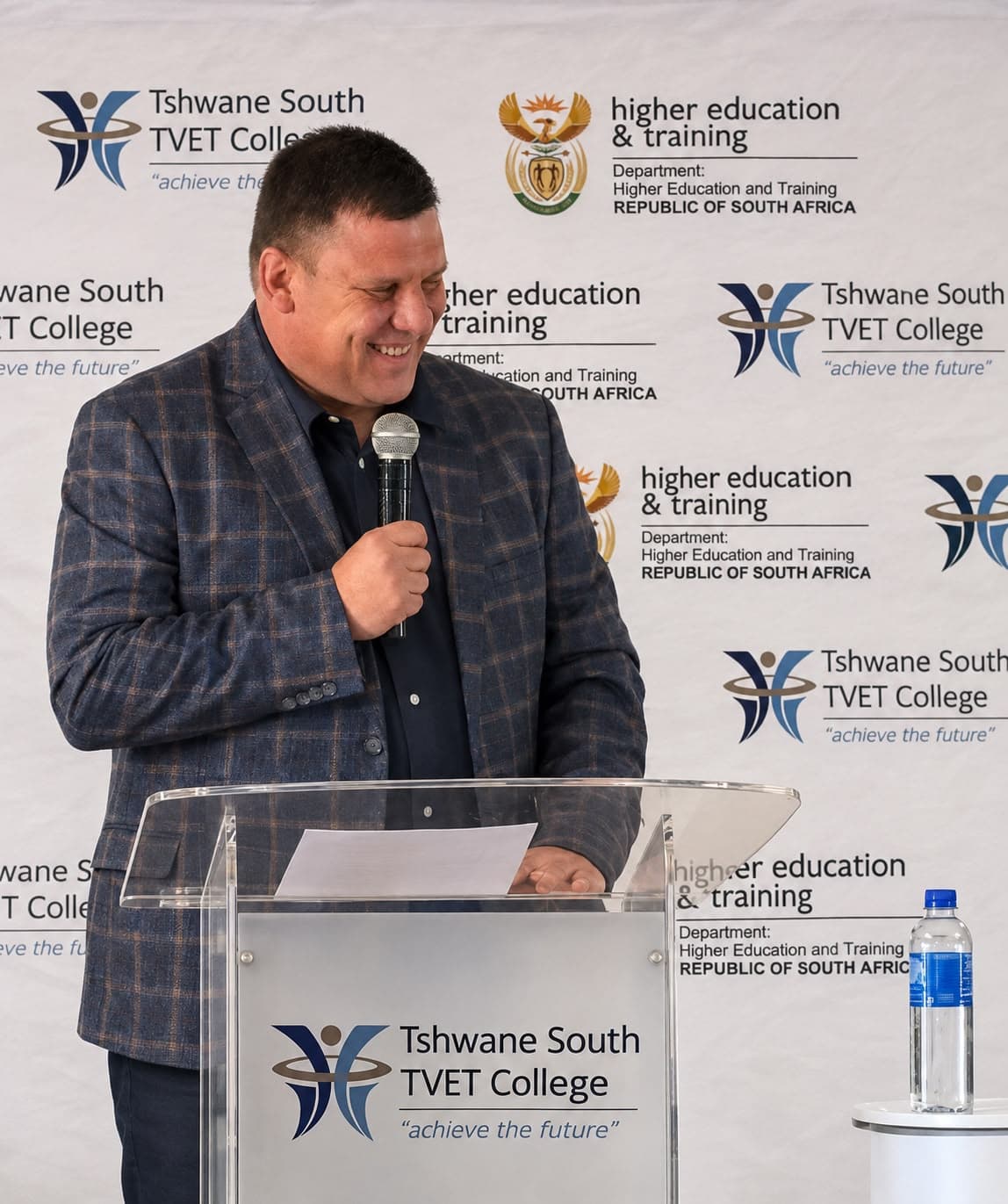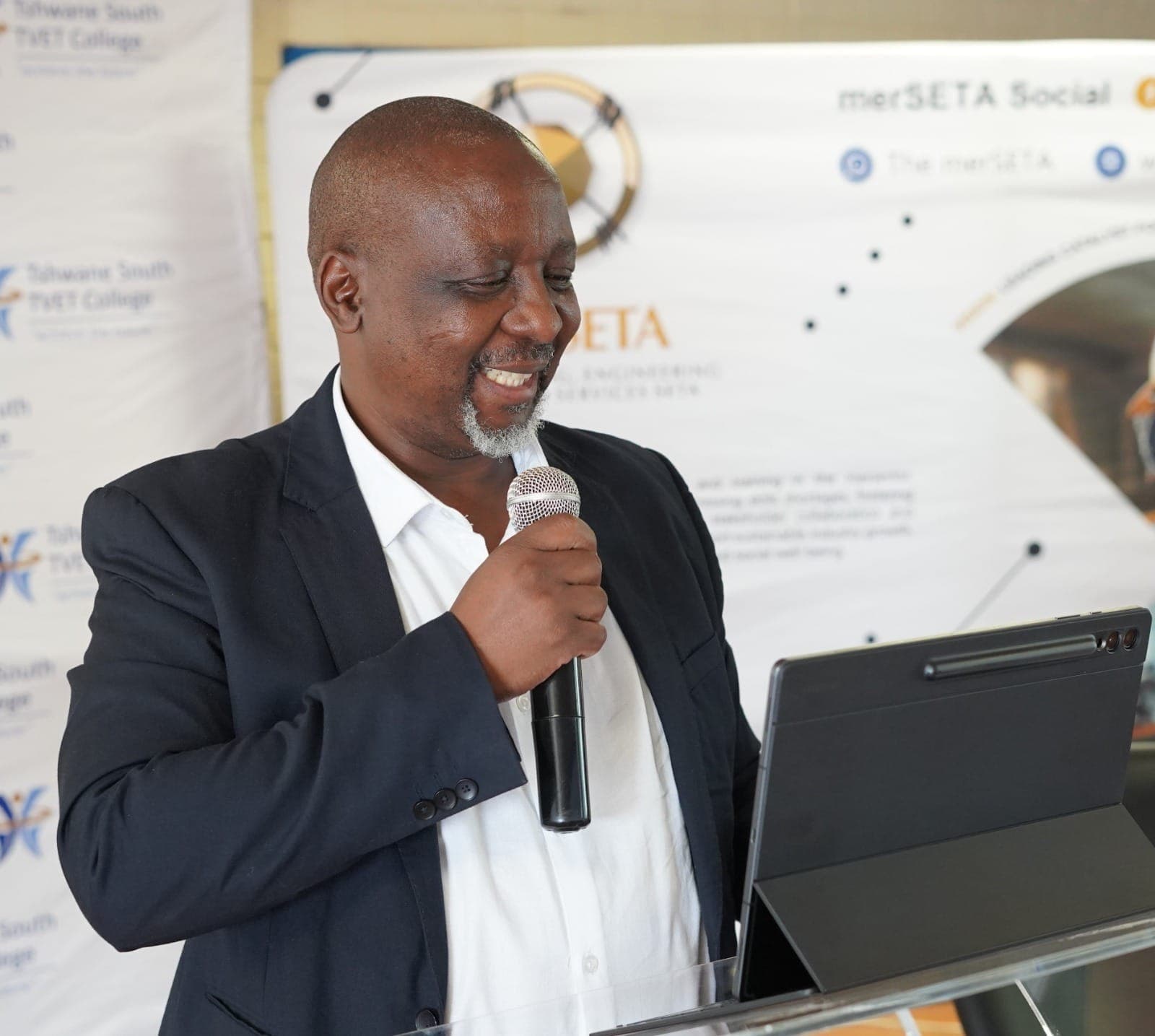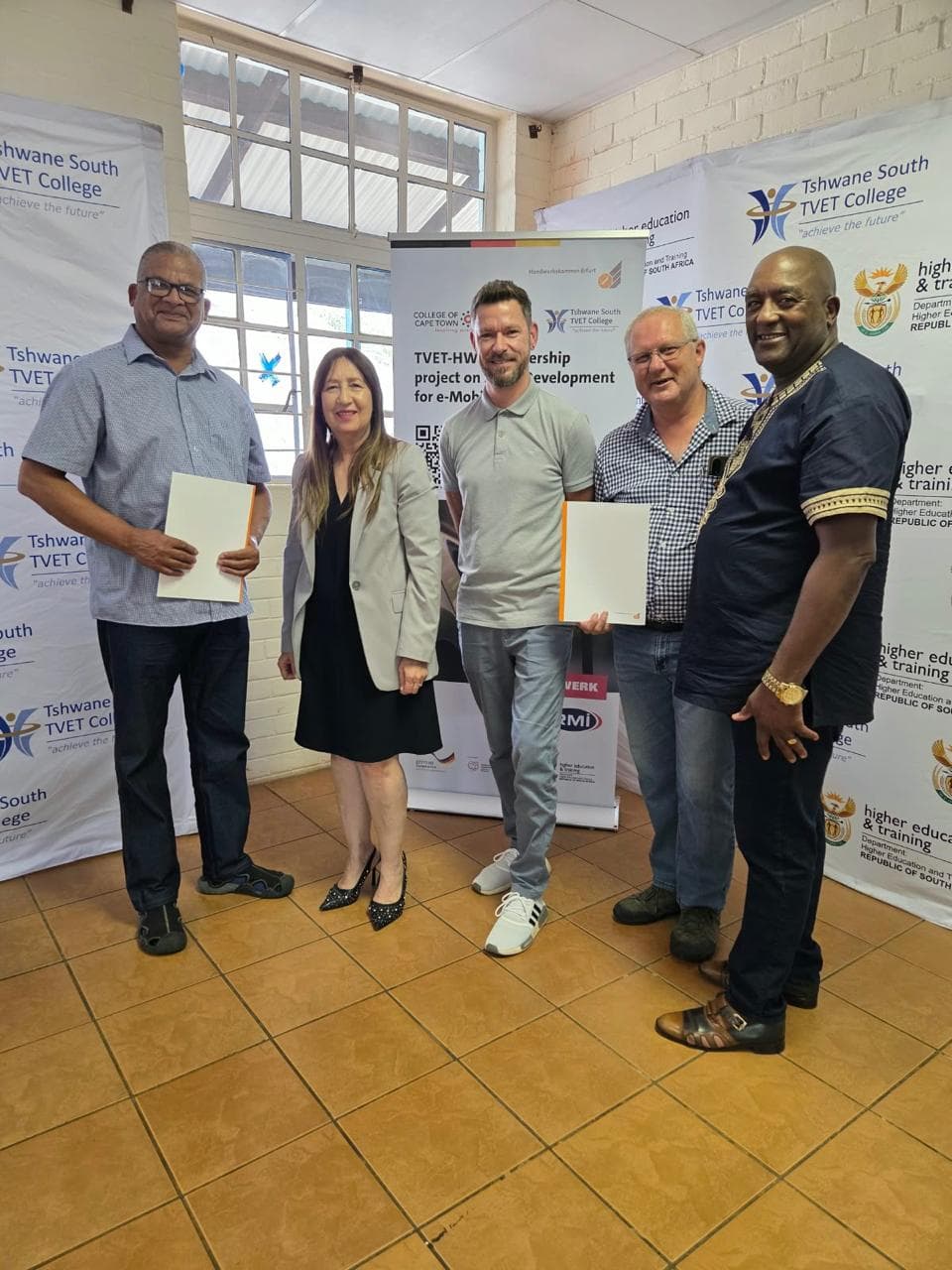
South Africa has taken an important step towards preparing its automotive workforce for the future with the successful completion of the first Level 1S Train-the-Trainer programme under the TVET-HWK Partnership Project on Skills Development for e-Mobility.
As electric and hybrid vehicle technologies gain momentum globally, the need for skilled technicians capable of safely servicing, maintaining and repairing these vehicles is becoming increasingly important. While infrastructure and vehicle availability remain key components of the transition, developing the necessary technical skills will be critical to ensuring South Africa is ready for a rapidly evolving automotive sector.
The Level 1S programme forms part of a three-year partnership funded by the German Federal Ministry for Economic Cooperation and Development (BMZ) and implemented by sequa and Handwerkskammer Erfurt (HWK Erfurt) in collaboration with South Africa's Department of Higher Education and Training (DHET) and three partner TVET colleges.
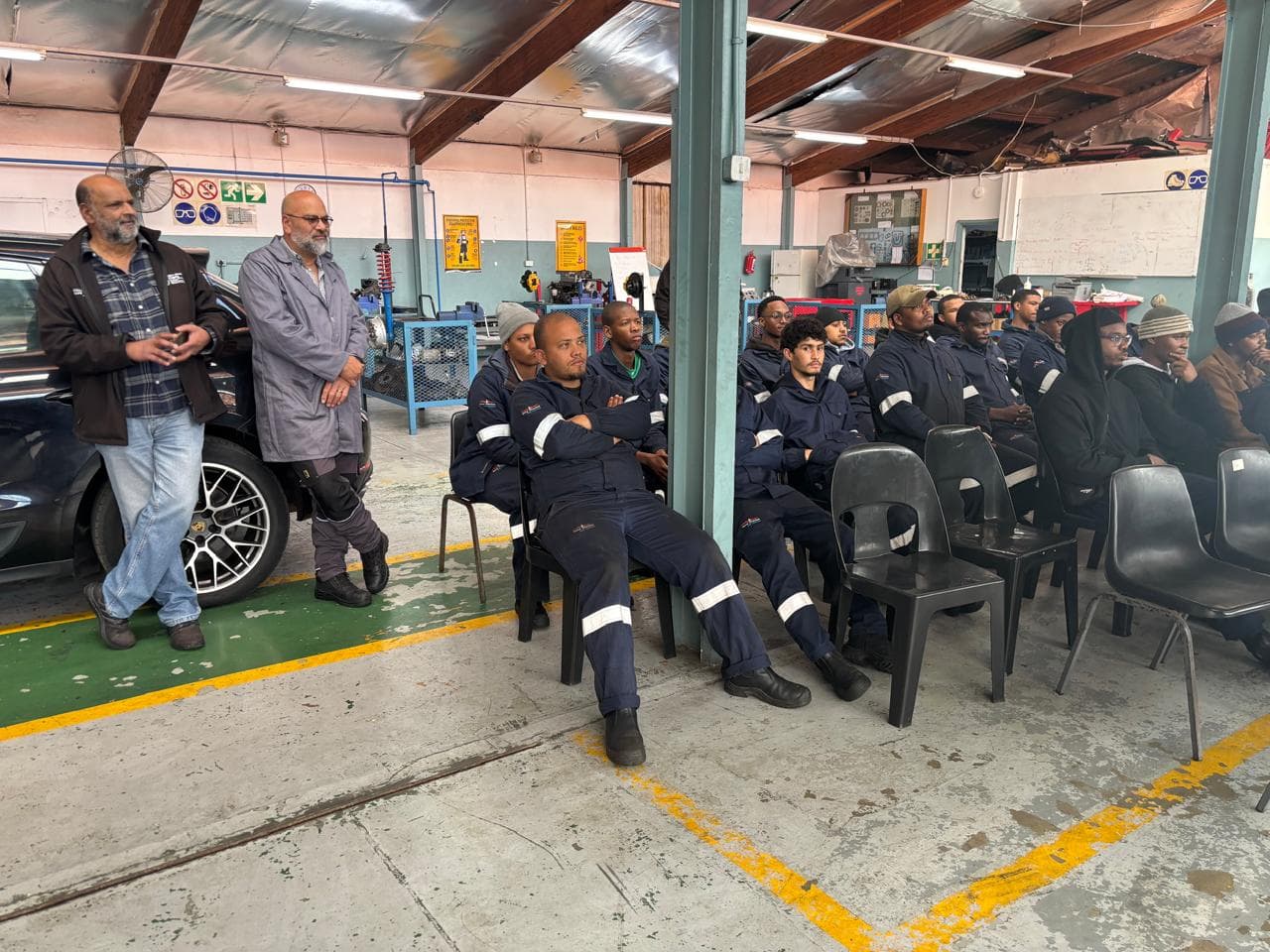
Hosted at Tshwane South TVET College's Centurion Campus from 9 to 20 November 2026, the intensive two-week programme brought together lecturers from Tshwane South TVET College, Port Elizabeth TVET College and the College of Cape Town. Additional training opportunities were also extended to lecturers from outside the partner institutions, broadening the reach of the initiative.
Over 10 training days, participants completed a combination of technical instruction, practical exercises, assessments and vocational teaching methodologies. The programme represents the first stage of a three-level training pathway designed to develop the competencies required to work safely on high-voltage vehicle systems and to train future generations of technicians.
Adapting international expertise for South Africa
A key feature of the programme was its adaptation for South Africa's vocational training environment. Rather than simply replicating an existing German curriculum, HWK Erfurt redesigned the course to strengthen participants' understanding of automotive electrical engineering fundamentals, providing the foundation needed for more advanced e-mobility training.
Training covered electrical systems, high-voltage safety procedures, risk assessments, personal protective equipment, vehicle identification and labelling, de-energisation processes, first aid and emergency response practices related to electric vehicles.
The programme also introduced participants to aspects of Germany's dual vocational education system, focusing on how theoretical learning and workplace-based training can be integrated to produce industry-ready graduates.
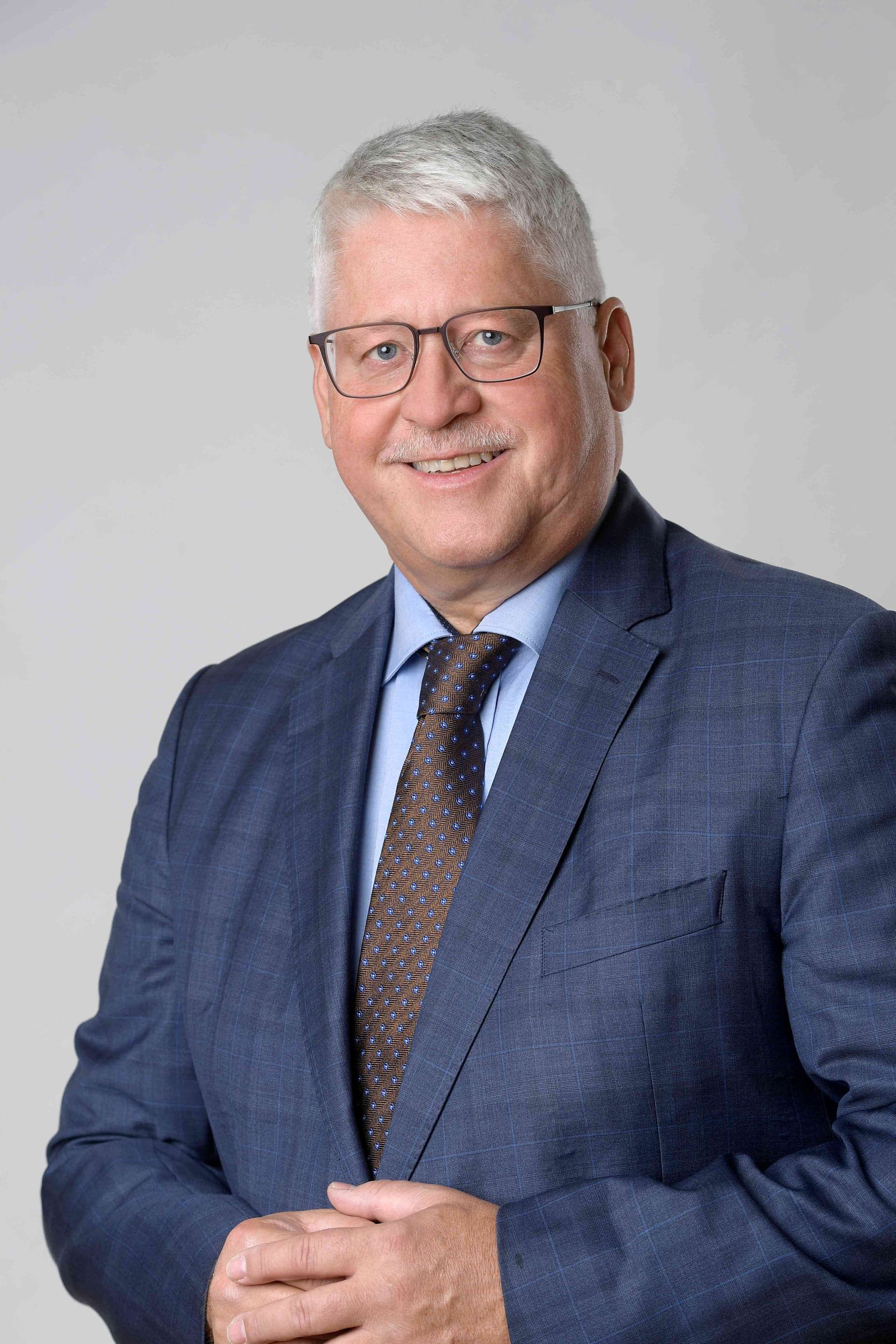
"Our goal is not only to transfer technical knowledge but to strengthen local training capacity so that South African institutions can continue developing the skills required by the automotive industry in the years ahead," said HWK Erfurt CEO Thomas Malcherek.
The German Embassy in South Africa echoed this sentiment, noting that the partnership combines international expertise with local training priorities to create sustainable and scalable skills-development opportunities.
Developing future trainers and technicians
The partnership's long-term objective is to establish a sustainable e-mobility training ecosystem within South Africa's TVET sector. The first phase focuses on equipping lecturers with the skills required to deliver e-mobility training. The next step will be to train students before ultimately creating a broader network of qualified trainers across the country.
Representatives from the participating colleges described the programme as an important investment in both educators and students, ensuring that vocational training remains aligned with technological advances in the automotive industry.
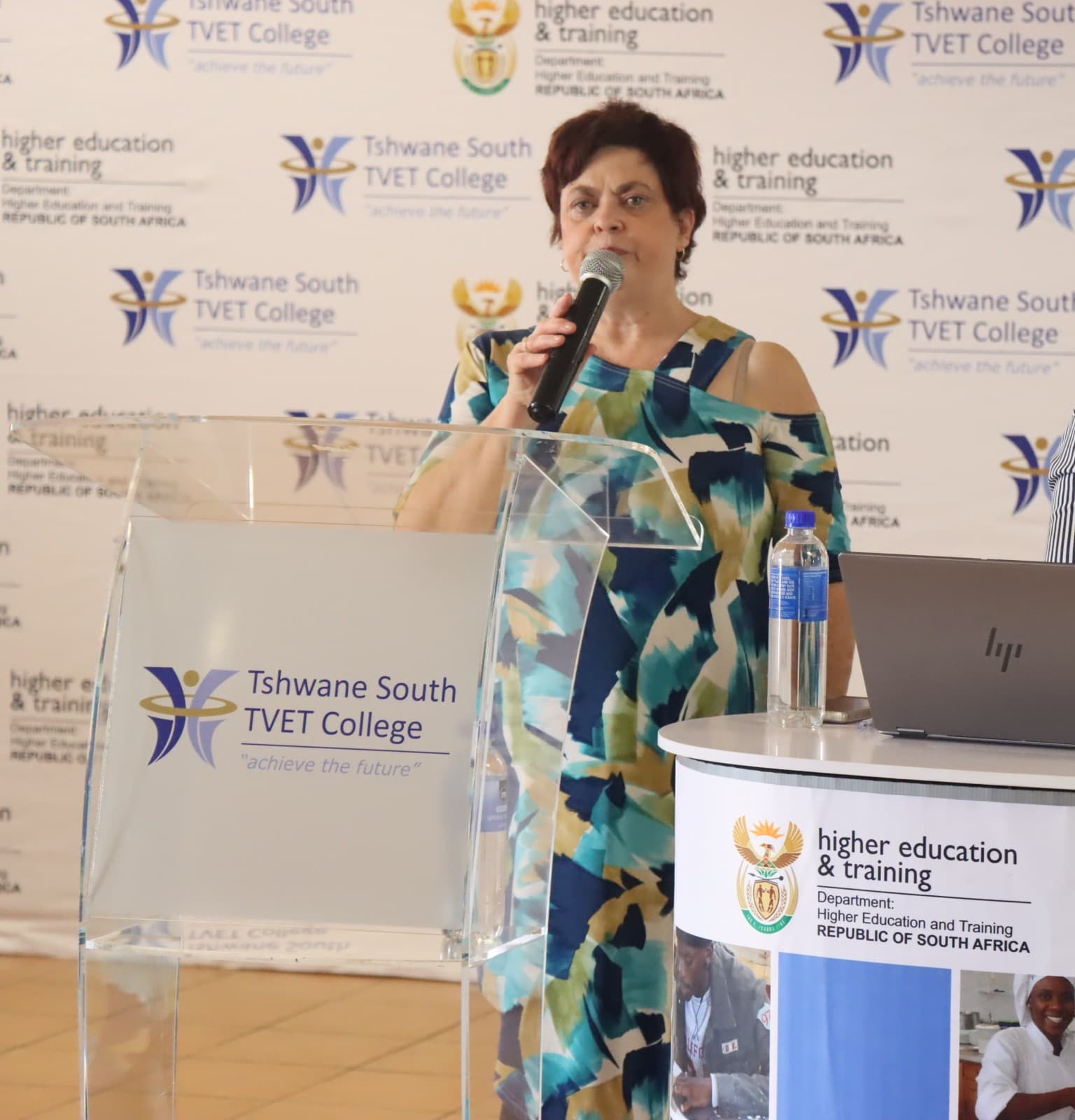
Sello Sethusha, DHET Director: TVET Lecturer Development, said the initiative supports the Department's efforts to modernise vocational education and strengthen South Africa's green-skills agenda.
Industry support critical
Industry stakeholders have also welcomed the initiative. Retail Motor Industry Organisation (RMI) Acting CEO Henk Ferreira said the transition to electric mobility is already changing the sector's skills requirements and highlighted the importance of partnerships between education institutions, industry and international organisations.
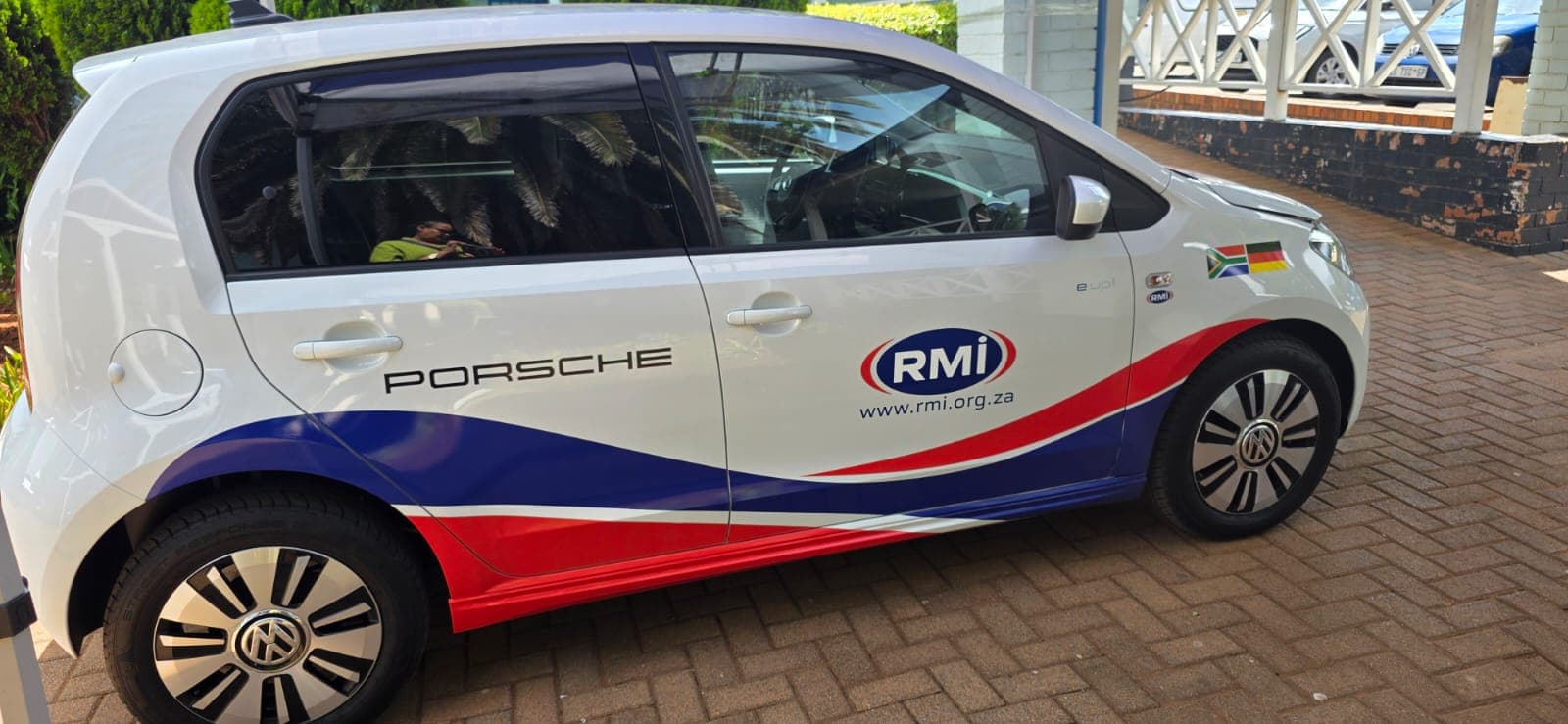
He also acknowledged the contribution of Porsche AG's Porsche Aftersales Vocational Education (PAVE) programme, whose donation of a VW e-Up electric vehicle has enabled practical training opportunities for participating lecturers.
Looking ahead
The Level 1S course represents the first step in a longer-term development pathway. Participants who successfully completed the programme will be eligible to advance to Levels 2S and 3S, scheduled for the first half of 2027.
By 2028, the partner colleges are expected to be ready to offer dedicated e-mobility skills programmes, preparing graduates for careers in electric vehicle servicing, maintenance and specialised battery repair.
The completion of the first Level 1S programme marks more than the end of a two-week course. It lays the foundation for a stronger e-mobility skills pipeline and a workforce better equipped to support South Africa's transition to cleaner, more sustainable transport technologies.