Toyota, Nissan and Honda are looking to strengthen their competitiveness by working together on selected vehicle materials and components, in a move aimed at reducing production costs and freeing up resources for future automotive technologies.
The initiative will initially focus on steel, resins and wire harnesses. Through greater cooperation, the manufacturers hope to establish common standards for components and materials that are widely used in vehicle production.
The objective is to reduce procurement costs by gradually expanding the range of standardised parts and materials. This could also simplify requirements for suppliers, allowing them to secure larger orders and potentially improve production efficiencies.
Koji Sato, chairman of the Japan Automobile Manufacturers Association (JAMA) and vice chairman of Toyota Motor Corporation, said the initial focus areas were selected in response to concerns raised by people working directly in the industry.
"We decided to start with these areas in response to concerns raised by on-site people," Sato said. "We want to enable automakers to allocate more management resources to areas where they can enhance their competitiveness."
Steel and resins are widely used in vehicle bodies and interiors. The proposed standardisation will include aligning the types of steel sheets used, while recycling-related evaluation criteria for resins will also be brought closer together. These criteria currently differ between manufacturers.
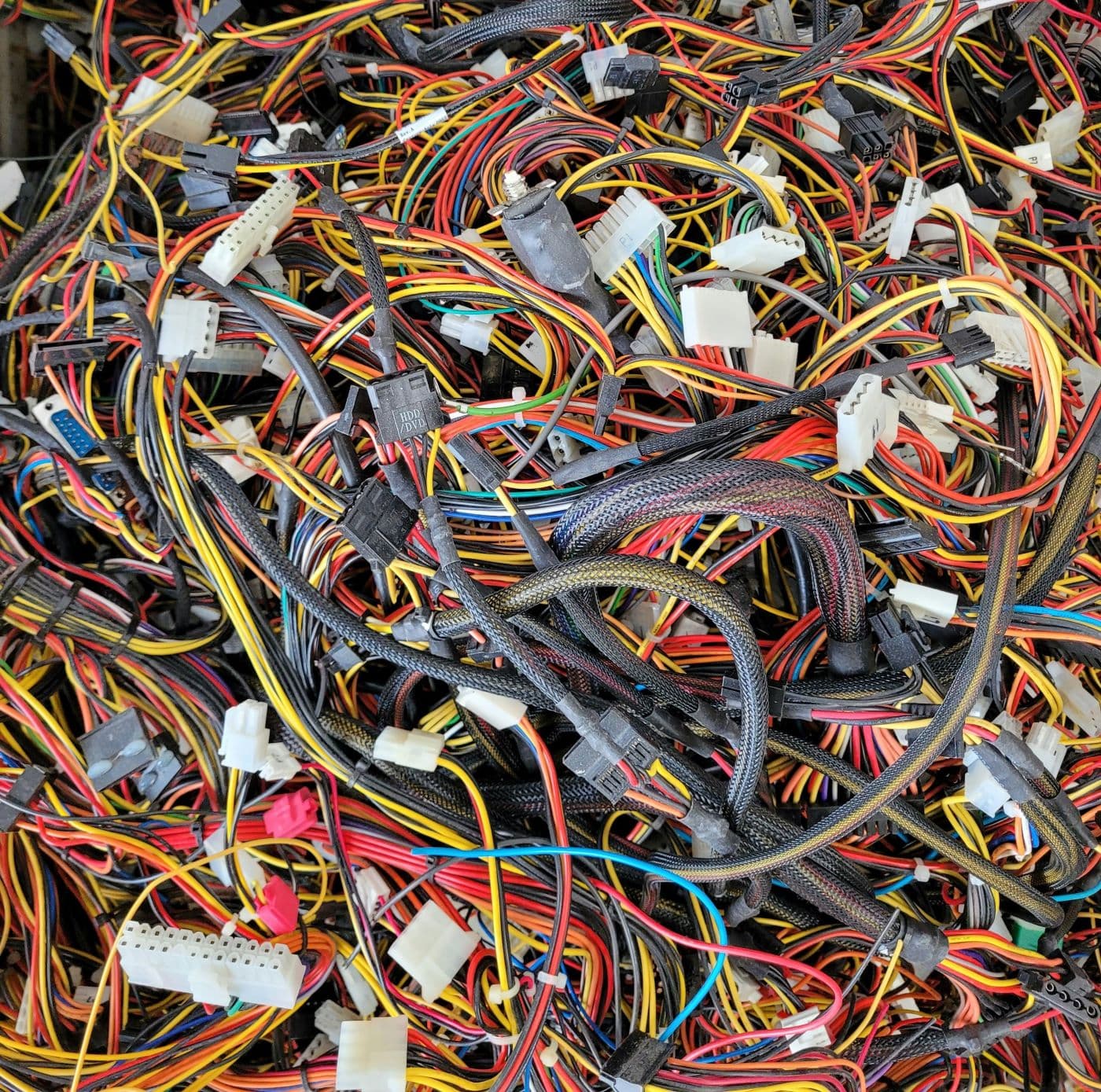
Wire harnesses, which bundle electrical cables throughout vehicles, represent another significant opportunity. The industry currently uses approximately 70 000 different types, highlighting the potential for simplification.
The initiative will involve cooperation with the Japan Auto Parts Industries Association, bringing component suppliers into the process.
The move comes as Japanese manufacturers face increasing competition from Chinese automakers and other emerging global players. At the same time, the automotive industry is undergoing a major transformation, with electric vehicles, autonomous driving technologies and software-defined vehicles requiring substantial investment.
Standardisation could help manufacturers reduce duplication and direct more resources towards these rapidly developing technologies.
However, there may also be disadvantages for suppliers. While larger orders could be beneficial, common specifications could make it harder for companies to differentiate their products, potentially increasing price competition.
The manufacturers believe that cooperation in these areas will improve their ability to compete globally while preserving the unique identities of their individual vehicle brands.