Isuzu Advances Towards Ambitious Sustainability Targets
Isuzu Motors South Africa (IMSAf) has demonstrated that manufacturing growth and environmental responsibility can advance together, reporting significant reductions in greenhouse gas emissions despite increased vehicle production during the 2025/26 financial year.
The company's latest sustainability results highlight continued progress towards the goals outlined in the ISUZU Environmental Vision 2050 while reinforcing its commitment to responsible manufacturing practices in South Africa.
Lower Emissions Despite Higher Production
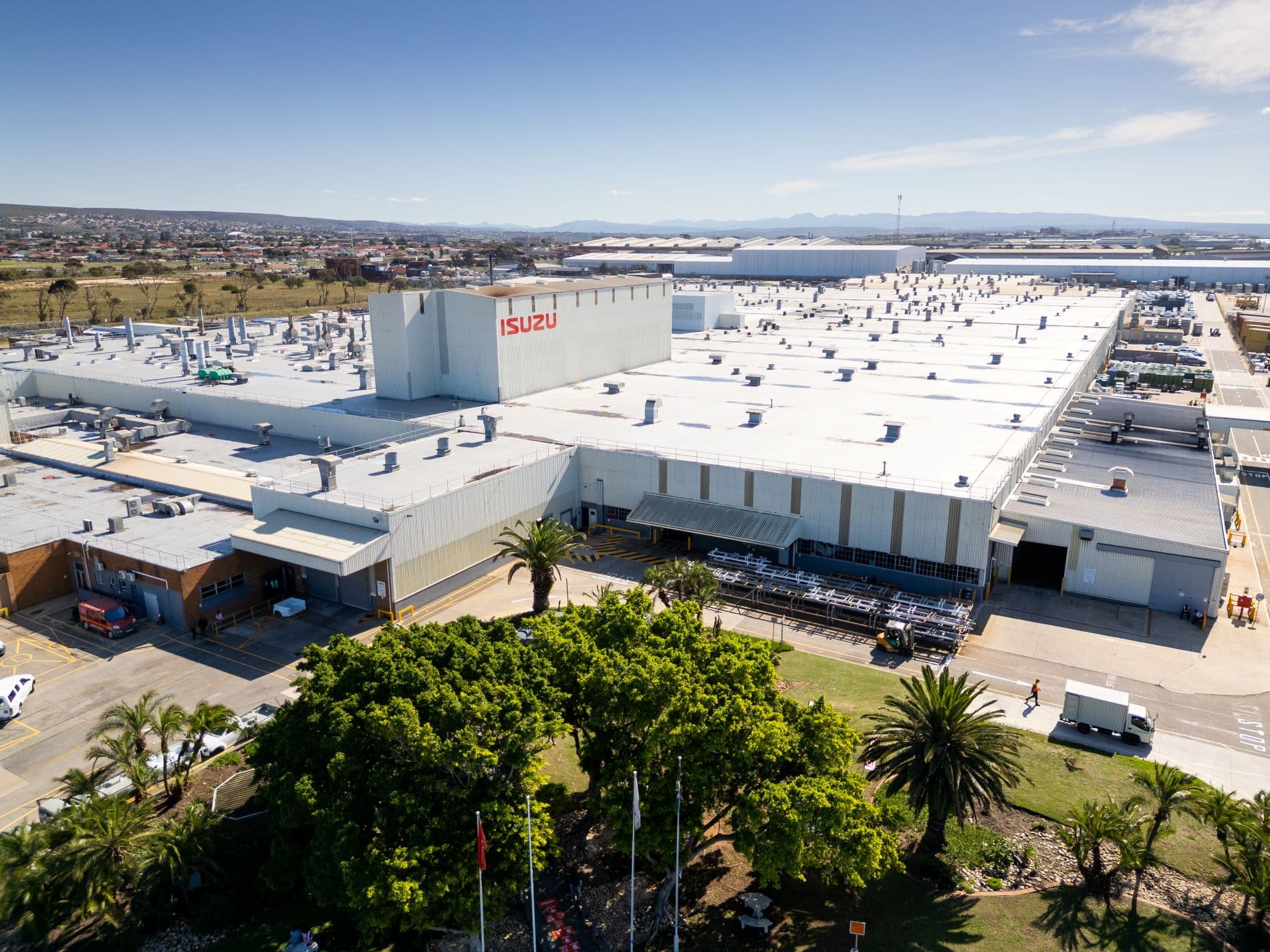
During the reporting period, IMSAf reduced its Scope 1 and Scope 2 carbon dioxide emissions by 38% compared with its 2013 baseline while simultaneously increasing vehicle production at its Gqeberha manufacturing facility by 21%.
The company also achieved a notable improvement in emissions intensity, reducing emissions per vehicle produced from 0.89 tonnes of CO₂ equivalent to 0.76 tonnes. This represents a 15% year-on-year improvement and reflects greater efficiency throughout its production operations.
The results indicate that environmental improvements can be achieved even as production volumes continue to expand.
Supporting the ISUZU Environmental Vision 2050
The emission reductions form part of a broader sustainability strategy aligned with the ISUZU Environmental Vision 2050.
A key milestone within this strategy is IMSAf's target of reducing Scope 1 and Scope 2 emissions by 50% by 2030, using 2013 emission levels as the benchmark.
According to Executive Vice President of Corporate Services, Celestin Ndhlovu, the company recognises that future growth must be accompanied by meaningful environmental progress. He emphasised the importance of ongoing investment in energy efficiency, renewable energy sources and cleaner fuel technologies to achieve long-term sustainability objectives.
Cleaner Fuels and Smarter Manufacturing
Several initiatives have contributed to the company's improved environmental performance.
One of the most significant has been the transition from higher-emission liquid fuels to Liquefied Petroleum Gas (LPG) in selected manufacturing processes. This change has helped reduce direct emissions while improving the overall energy profile of certain operations.
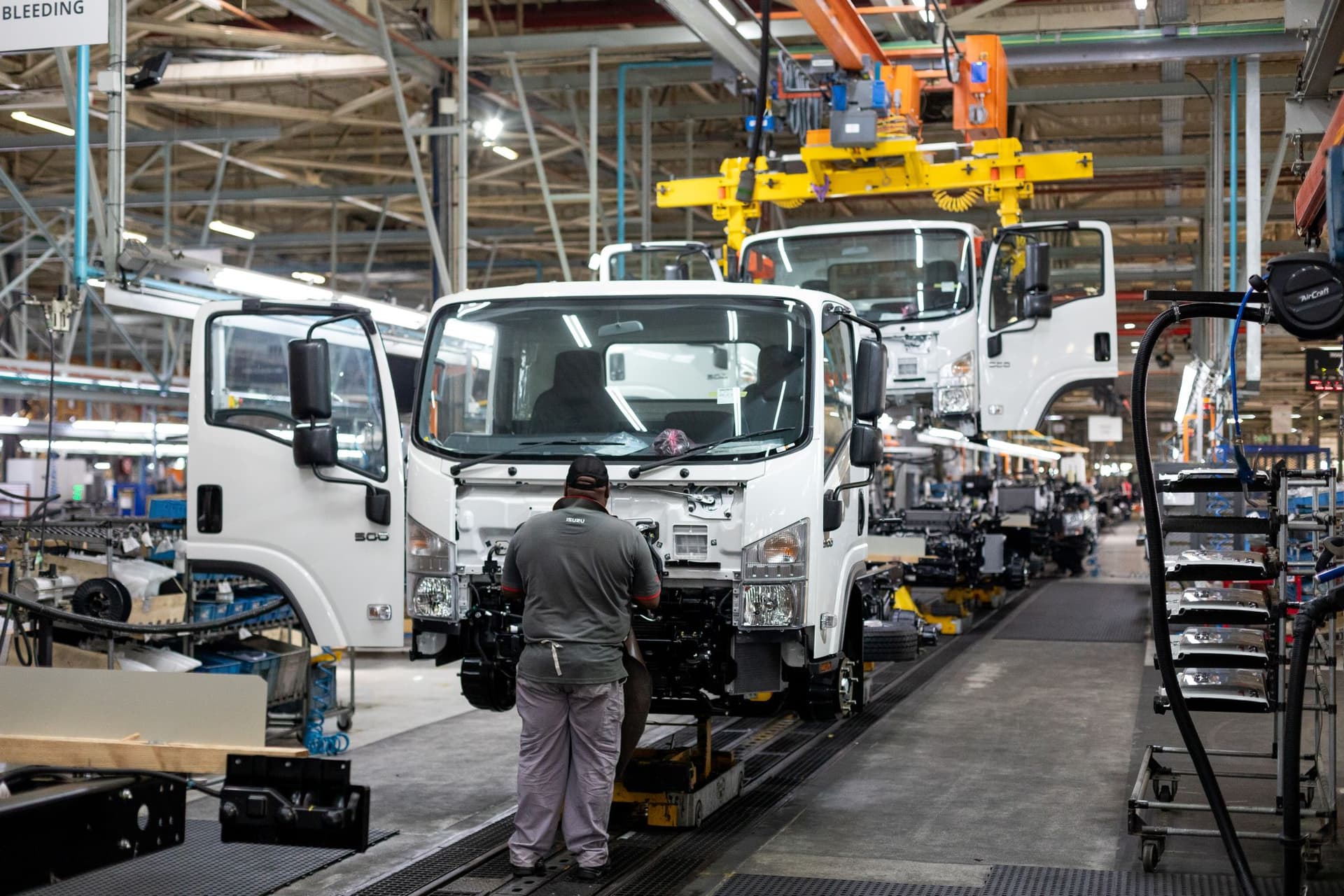
IMSAf has also intensified efforts to improve energy efficiency throughout its manufacturing facility through equipment upgrades, process optimisation programmes, enhanced monitoring systems and asset-management initiatives.
Together, these measures have contributed to a 7% improvement in Scope 2 emissions performance, reflecting more efficient use of purchased energy across the operation.
Increasing the Use of Renewable Energy
Electricity remains the largest contributor to the company's operational carbon footprint, making the transition to cleaner energy sources a critical component of its sustainability strategy.
To reduce reliance on conventional grid electricity, IMSAf has secured renewable energy generated from wind and solar sources through an Independent Power Producer (IPP) agreement.
This arrangement allows the company to increase the proportion of renewable electricity used within its manufacturing operations while supporting broader decarbonisation efforts.
Looking Towards a Lower-Carbon Future
As part of its long-term sustainability roadmap, IMSAf is evaluating further renewable-energy investments aimed at driving additional emissions reductions.
Potential future projects include solar photovoltaic installations and battery-energy storage systems, both of which could play an important role in improving energy resilience and reducing the environmental impact of manufacturing activities.
With measurable progress already achieved and further initiatives under consideration, Isuzu Motors South Africa remains focused on balancing production growth with environmental stewardship as it works towards its ambitious 2030 and 2050 sustainability goals.