Recent storms and hail across Gauteng have left many vehicle owners facing repair costs ranging from minor dents and chipped paintwork to more significant structural and glass damage. The South African Motor Body Repairers' Association (SAMBRA) is encouraging motorists to seek professional assessments before making repair decisions.
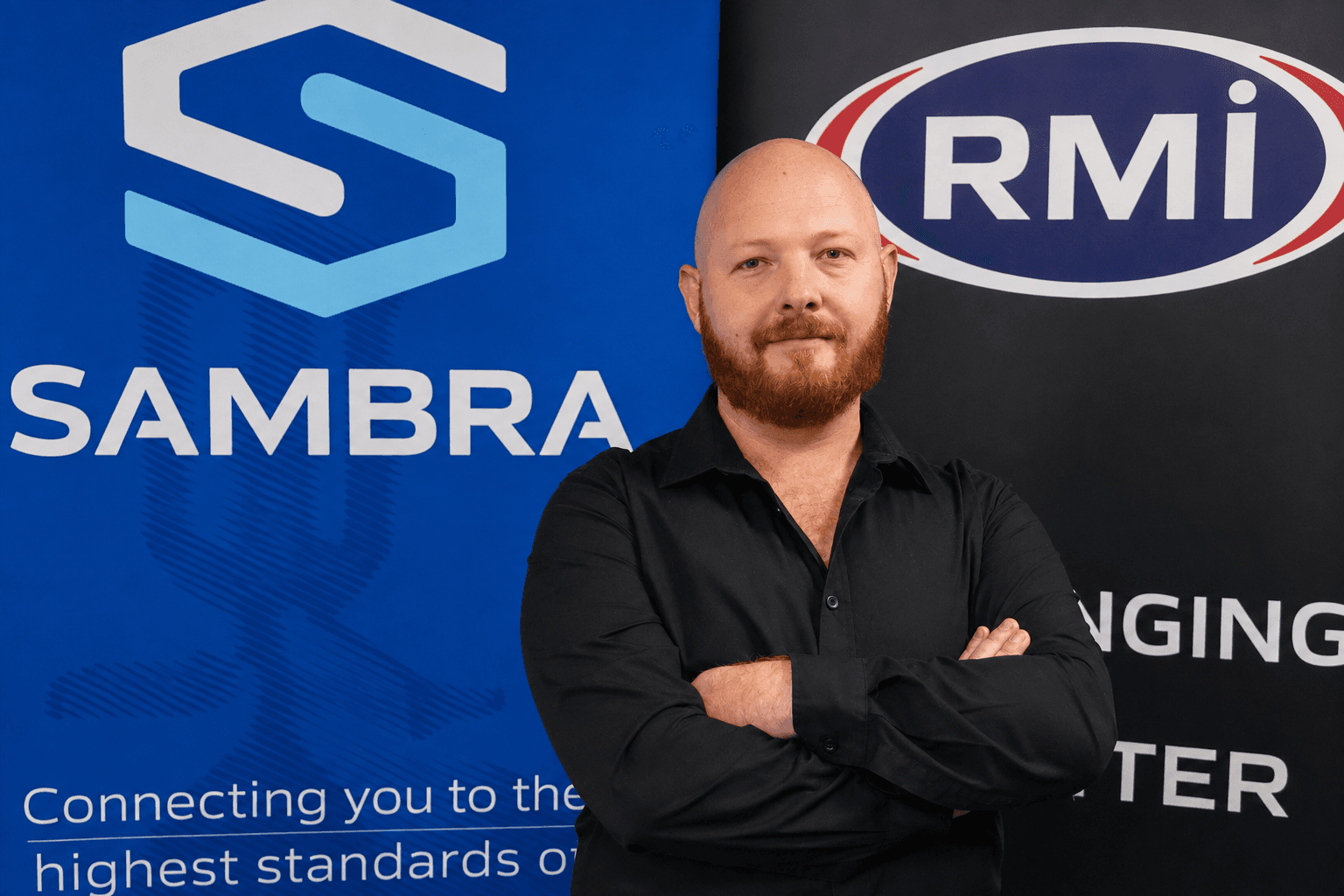
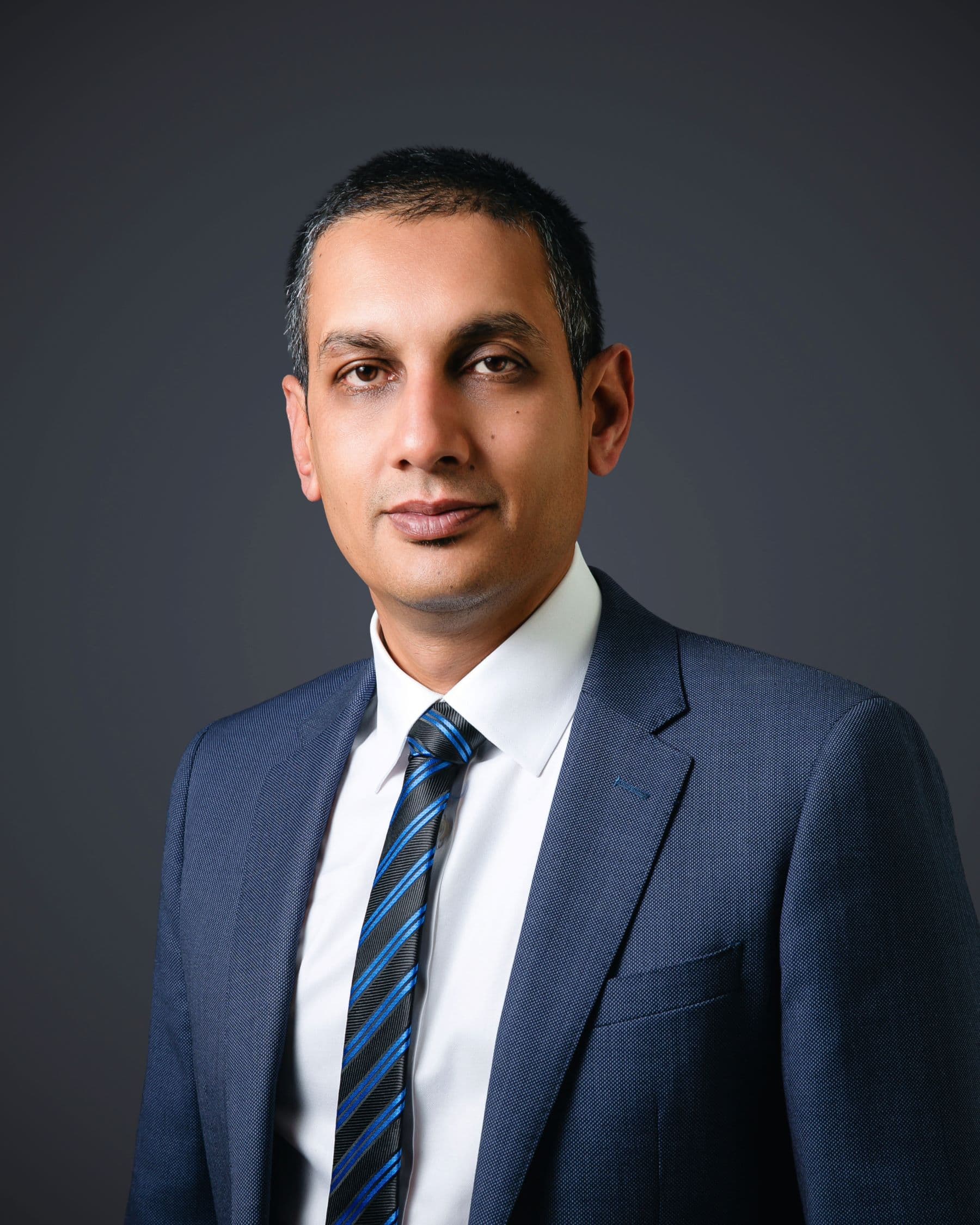
Juan Hanekom, National Director of SAMBRA, a constituent association of the Retail Motor Industry Organisation (RMI), says vehicle owners should avoid rushing into repairs immediately after a major hail event.
'Following severe hailstorms, it is common for motorists to feel concerned about the damage to their vehicles and the potential financial implications. While the temptation may be to arrange repairs as quickly as possible, the most important first step is obtaining a comprehensive assessment from a reputable and suitably qualified motor body repair specialist,' says Hanekom.
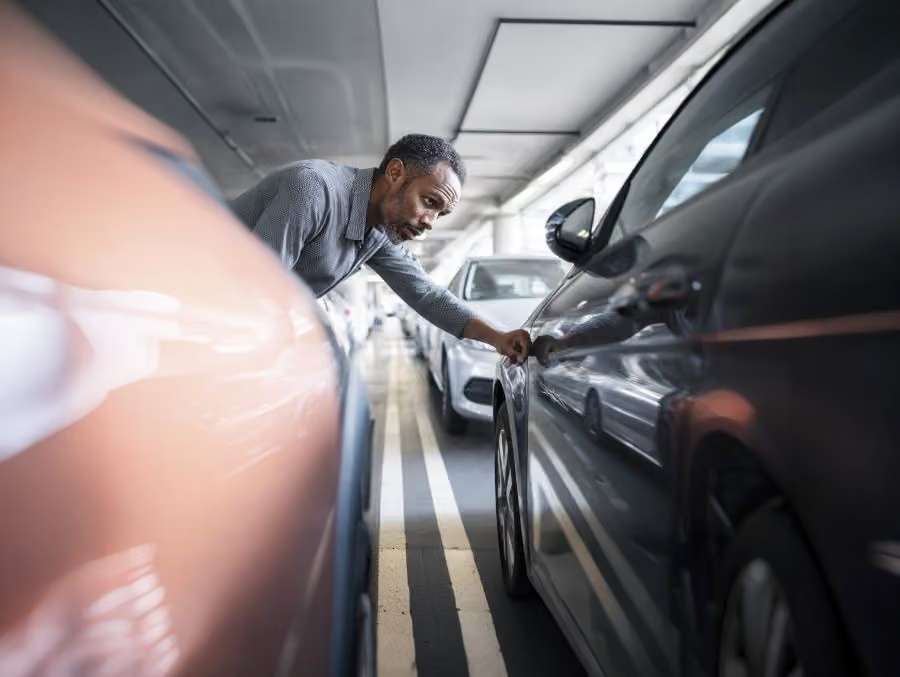
Hail damage can vary significantly, ranging from cosmetic dents to extensive damage affecting body panels, windscreens, windows, lighting systems and other vehicle components. Even when damage appears minor, hidden issues may exist that can only be identified through a professional inspection.
One of the most widely used repair methods for hail-damaged vehicles is Paintless Dent Removal (PDR), a specialised process designed to remove dents without the need for conventional panel beating or repainting.
PDR involves technicians using specialised tools to access damaged panels from behind and carefully restore them to their original shape. This method allows the vehicle's factory paint finish to remain intact and can often reduce repair times.
'Paintless Dent Removal can be highly effective where the paint surface has not been damaged and the dents meet the requirements for this repair technique. It helps preserve the original factory finish and is often a faster solution than traditional repair methods,' explains Hanekom.
However, he cautions that not all hail damage can be repaired using PDR. Severe dents, paint damage and stretched metal may require conventional panel repairs or the replacement of affected panels. Vehicle roofs, bonnets and boot lids are often among the most severely affected areas due to their direct exposure during hailstorms.
Qualified repair specialists will assess each vehicle individually and recommend the most appropriate repair solution based on the extent of the damage, vehicle design and manufacturer specifications.
Key recommendations for motorists affected by hailstorms include:
- Photograph all visible damage, including dents, glass damage and affected lighting components.
- Keep a record of where and when the hail damage occurred.
- Contact your insurer promptly and follow the prescribed claims process.
- Do not authorise repairs until insurer assessments and approvals have been completed.
- Use a SAMBRA-accredited repair facility with proven expertise in hail damage repairs.
- Request inspections of windscreens, mirrors, cameras, sensors and lighting systems for hidden damage.
- Avoid driving the vehicle if visibility, safety systems or structural integrity may have been affected.
SAMBRA also warns that widespread storm damage can place considerable pressure on repair facilities, insurers and parts suppliers. Increased demand for assessments, specialised PDR services and replacement components may result in longer repair turnaround times.
'Motorists should be aware that major hail events often generate a high volume of insurance claims and repair requests simultaneously. This can impact repair timelines and the availability of specialist services or replacement parts. Patience and regular communication with insurers and repairers are essential during these periods,' says Hanekom.
He further advises motorists not to prioritise speed over quality when selecting repair options.
'A vehicle represents a significant investment. Proper assessment and professional repairs provide the best long-term outcome and help avoid further issues that may result from rushed or substandard repairs.'
SAMBRA believes that professional inspections and repairs remain the most effective way to ensure hail-damaged vehicles are restored safely, correctly and in accordance with industry standards.