Inside the Midrand warehouse behind Jetour's parts supply
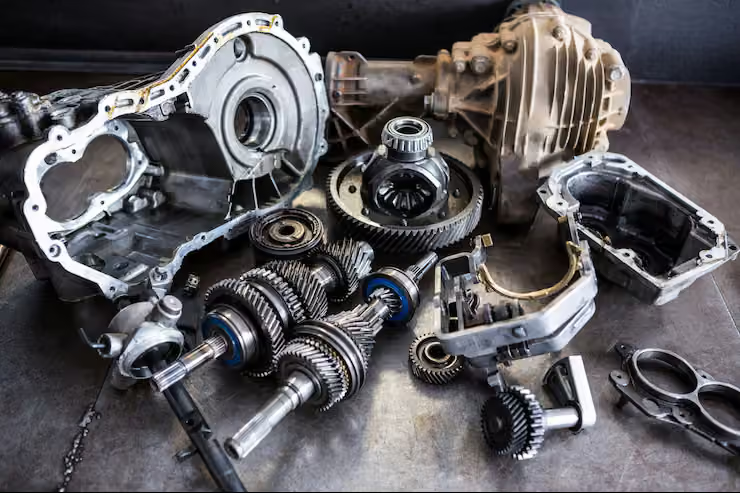
Parts availability remains one of the most discussed topics when it comes to Chinese vehicle brands in South Africa. While the sector continues to grow rapidly, supply chain capability varies between manufacturers, with accident repair parts shortages often cited as a concern by industry observers and vehicle owners.
According to naamsa's 2026 Automotive Trade Manual, 15 Chinese automotive brands operated in South Africa during 2025, almost doubling from eight brands a year earlier. As competition increases, the ability to provide reliable parts and aftersales support is becoming a key differentiator.
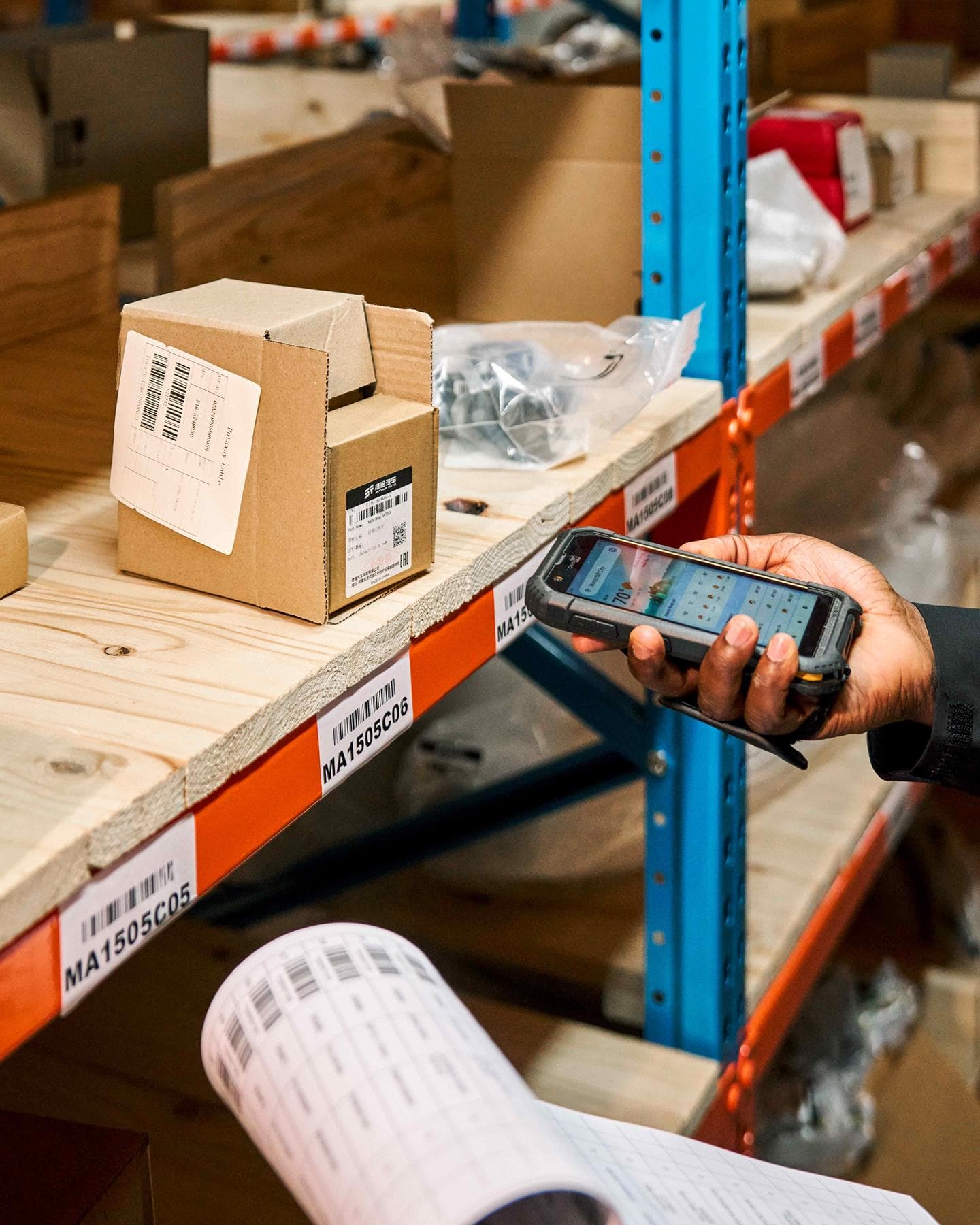
Jetour South Africa says it prioritised these requirements before entering the local market. Two years before selling its first vehicle in South Africa, the company established a dedicated 5 000m² parts distribution centre in Midrand, Johannesburg.
The facility stocks thousands of unique part numbers across the brand's current model range and supports more than 55 dealerships nationwide. Operations are supported by inventory management technology, real-time stock tracking, and an optimised picking and dispatch system designed to improve supply efficiency.
'Parts availability and aftersales support were never aspects we intended to address once we had established ourselves in the market. They were important considerations in our planning before we launched locally,' says Shaun Steynberg, Head of Marketing at Jetour South Africa.
High parts availability
Jetour reports a parts fill rate of between 97% and 98% during 2026. This means the vast majority of parts requested by dealerships were supplied directly from available stock, reducing the need for back orders and helping minimise customer waiting periods.
The company's efforts are also reflected in dealer feedback. According to the 2026 NADA Dealer Satisfaction Index, 95.5% of Jetour dealer respondents indicated that service and major parts availability from the manufacturer or importer met acceptable standards.
Additionally, 97.7% of respondents confirmed that deliveries were made regularly and on time. Dealer ratings for delivery systems and ordering processes scored 85% and 84.1% respectively.
Impact on repair turnaround times
For vehicle owners and fleet operators, the true test of a parts supply network is often reflected in repair turnaround times following accidents or mechanical failures.
According to Automatrix data, average repair times across vehicle brands in South Africa range between 22 and 48 days. Jetour achieved an average repair turnaround time of 28 days, which the company says is the strongest performance among Chinese vehicle brands operating locally.
Shorter repair times can reduce inconvenience for private motorists while helping fleet operators return vehicles to service more quickly, minimising downtime and operational costs.
Aftersales as part of ownership
Jetour says it views aftersales support as a core component of vehicle ownership rather than simply an extension of the sales process.
'Rather than viewing aftersales as an extension of the vehicle sales process, we consider it an integral part of the ownership experience, one that requires investment, planning and ongoing commitment long before a customer walks into a dealership,' says Steynberg.
As South Africa's Chinese automotive sector continues to expand, parts availability, supply chain resilience and aftersales performance are expected to play an increasingly important role in shaping customer confidence and long-term brand success.