Misplacing a car key is a situation most motorists hope to avoid. In addition to the inconvenience of being unable to access or start a vehicle, the financial implications of replacing a modern key can come as an unwelcome surprise.
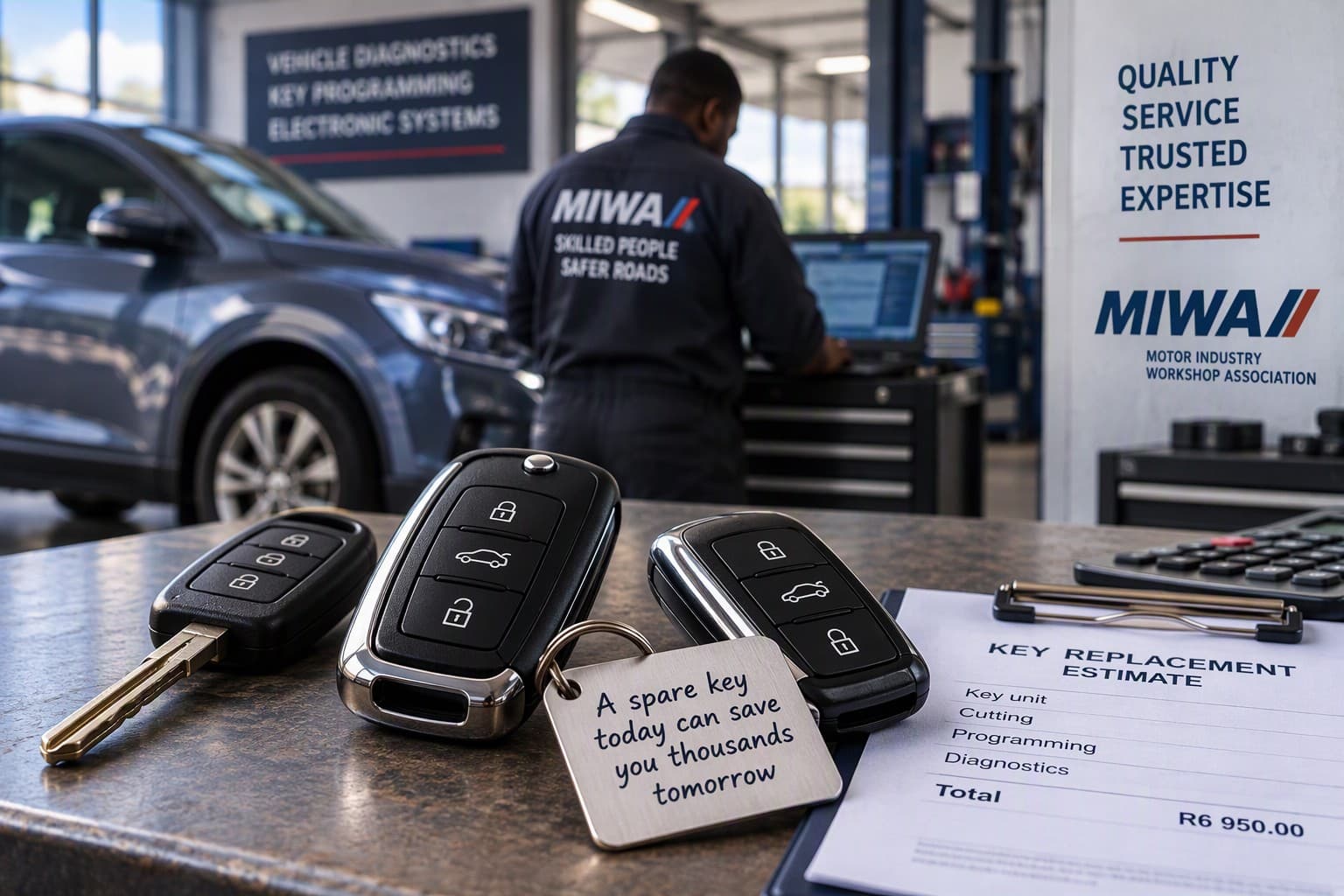
According to insights shared by the Motor Industry Workshop Association (MIWA), replacement costs for modern vehicle keys can reach several thousand rand, depending on the make, model and security systems involved. In some cases, motorists have reported paying close to R7 000 for a replacement key.
While this may seem excessive for a small device, today's vehicle keys perform far more functions than their traditional predecessors. Modern keys often incorporate remote locking systems, immobiliser technology and electronic coding that communicates directly with the vehicle's onboard security system. Without the correct programming, the vehicle may not recognise the key or allow the engine to start.
As a result, replacing a lost key is no longer a straightforward process. Technicians typically need to source the correct replacement unit, cut the key where applicable and programme it to work with the vehicle's electronic systems. Additional diagnostic procedures may also be required depending on the vehicle's specifications and the availability of existing programmed keys.
Explore Independent Workshop Options
Before automatically approaching a dealership, motorists may benefit from comparing quotations from accredited independent workshops.
Many MIWA-affiliated service providers have access to specialist key-cutting, programming and diagnostic equipment capable of servicing a wide range of vehicle brands. Some workshops may also provide quality aftermarket replacement keys that can reduce overall costs.
Experts caution, however, that price should not be the only factor considered. Because vehicle keys form part of a car's anti-theft and security systems, motorists should ensure that any replacement key is fully compatible and that all required coding and programming work is included in the quoted price.
Keep a Spare Key Available
One of the simplest ways to avoid excessive replacement costs is to have a duplicate key made while the original is still available.
A spare key can significantly reduce the complexity of future replacements because technicians can use an existing programmed key during the coding process. This often results in lower labour costs and a faster turnaround time if the primary key is lost.
Investigate Repair Options First
When a key has been damaged rather than lost, replacement may not always be necessary.
Depending on the nature of the damage, components such as outer casings, buttons, battery compartments or specific electronic elements may be repaired or replaced individually. Assessing repair options before purchasing a completely new key can potentially save motorists a considerable amount of money.
Review Warranty Requirements
Before authorising work through an independent service provider, motorists should review any applicable warranty, maintenance plan or service agreement requirements.
While many independent workshops offer professional services and high standards of workmanship, it is important to confirm that using a third-party provider will not affect existing vehicle coverage or contractual obligations.
Preparation Can Prevent Costly Surprises
As vehicle security technology continues to evolve, car keys have become more sophisticated and more expensive to replace. Understanding the replacement process, using trusted service providers and keeping a spare key readily available can help minimise both costs and inconvenience.
Industry experts note that a relatively small investment in a duplicate key today could save motorists thousands of rand and considerable frustration in the future.