With school holidays encouraging families to embark on long-distance road trips, child passenger safety should remain a key consideration before setting off. Road safety specialists warn that while many parents use child car seats, incorrect seat selection and poor installation continue to place children at unnecessary risk.
According to MasterDrive CEO Eugene Herbert, choosing the appropriate restraint system should be based on a child's age, height and weight rather than factors such as appearance, convenience or cost.
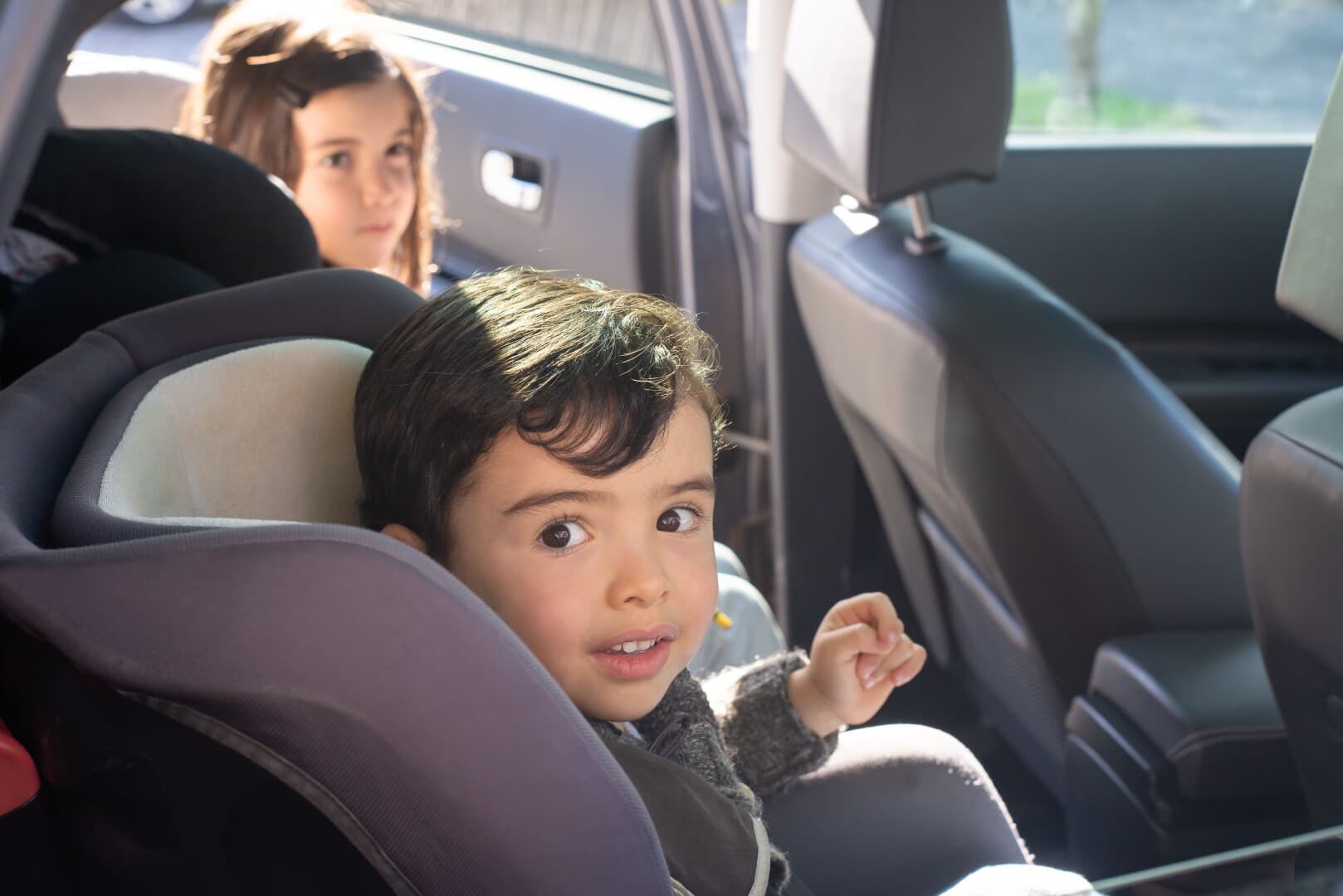
Herbert advises that infants should remain in rear-facing car seats until at least two years of age and, where possible, until they reach the seat manufacturer's maximum height and weight limits. Many modern child restraint systems are designed to support extended rear-facing travel, which provides greater protection for young children.
Once those limits are exceeded, children should transition to a forward-facing seat that incorporates a five-point harness. After outgrowing that stage, a booster seat remains necessary until a child reaches approximately 1.5 metres in height or is between 10 and 12 years old.
Proper Installation Is Essential
Selecting the correct seat is only part of the safety equation. Ensuring that a child is secured correctly is equally important.
MasterDrive recommends that parents carefully follow manufacturer instructions when installing a child restraint system. The seat should be positioned at the correct recline angle to provide adequate support, particularly for infants, whose heads and airways require additional protection.
On rear-facing seats, harness straps should sit at or just below shoulder level, while the chest clip should be positioned in line with the child's armpits. After tightening the harness, parents should perform a pinch test. If excess webbing can be pinched at the shoulder, the harness requires further adjustment.
Bulky jackets and thick blankets should not be placed underneath harness straps, as they can prevent the restraint system from fitting securely. Additional layers should instead be placed over the harness once the child has been properly secured.
Common Safety Mistakes to Avoid
MasterDrive notes that incorrectly positioned harnesses and loose straps are among the most frequent errors made by parents and caregivers.
Herbert says many motorists assume a child is secure once the buckle has been fastened, but the harness fit should be checked before every journey to ensure it remains correctly adjusted.
Other common mistakes include moving children into forward-facing seats too early, using child seats that have previously been involved in collisions and installing seats at incorrect recline angles. Purchasing second-hand seats without a clear knowledge of their history may also compromise safety.
Exposure to heat, age-related deterioration and previous damage can weaken materials and structural components over time, reducing a seat's ability to perform as intended during an impact.
Routine Checks Improve Protection
Because children grow quickly and the thickness of clothing can vary from day to day, parents are encouraged to check harness tension and seat fitment regularly.
MasterDrive also recommends having child restraint systems inspected by qualified professionals to ensure that installation has been carried out correctly and that the seat remains appropriate for the child's size and developmental stage.
According to Herbert, a child car seat can only provide maximum protection when it is correctly selected, properly installed and consistently used on every journey. Taking a few extra minutes to conduct a safety check before departure can significantly improve a child's protection throughout a road trip.