Volvo is advancing its long-standing safety mission by shifting the focus beyond occupant protection and towards helping drivers identify hazards before they become immediate threats.
The latest over-the-air software update for the Volvo EX90, EX60 and ES90 introduces four new Connected Safety alerts, enabling compatible vehicles to exchange real-time hazard information across Volvo’s connected network.
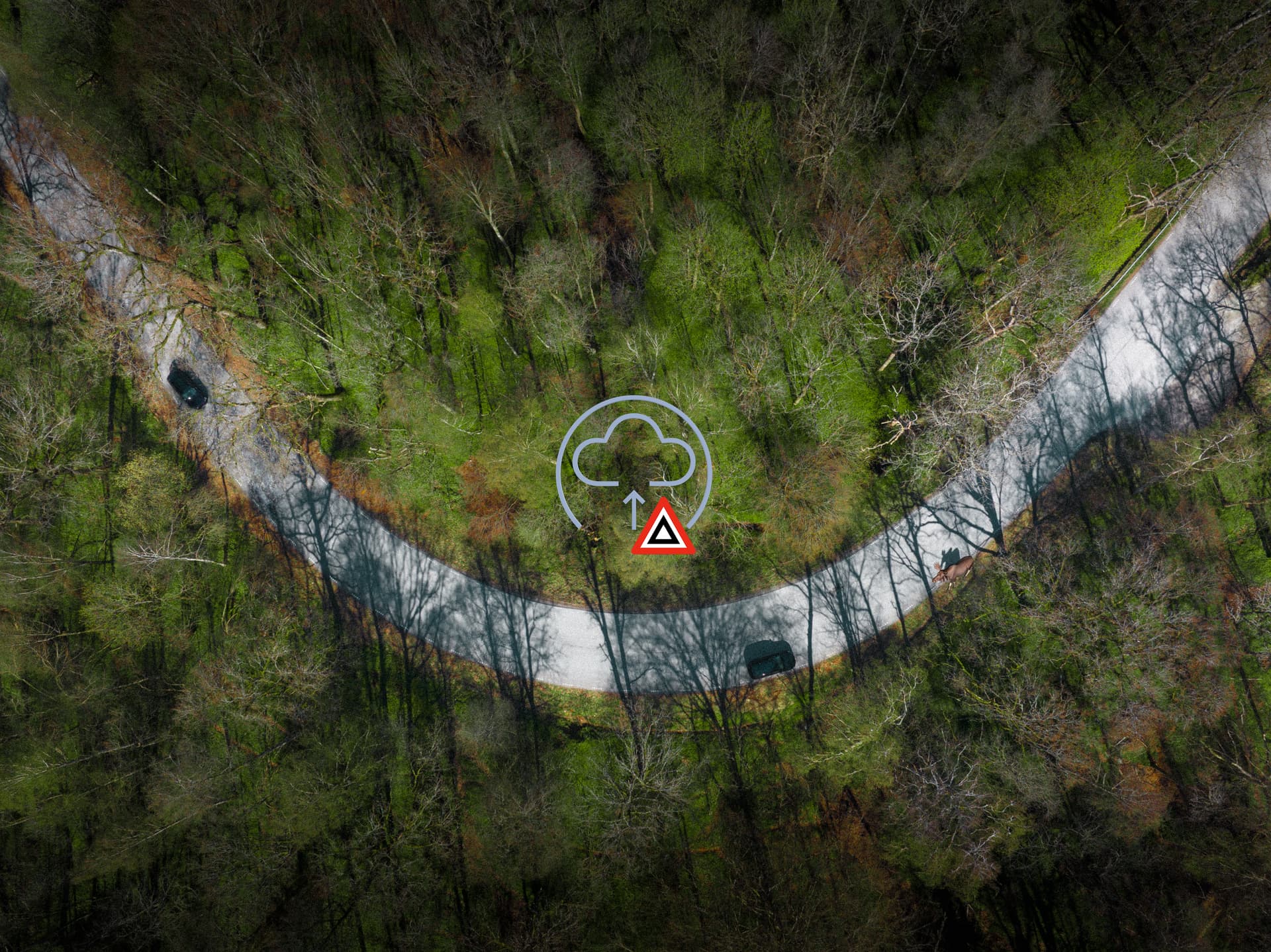
The new alerts cover large animals near roadways, vulnerable road users, roadworks and accidents ahead. In practical terms, if one vehicle detects a large animal such as a deer or moose close to the road, it can share that information with other connected vehicles approaching the same location. Similar warnings can be generated when pedestrians or cyclists are identified near major roads, roadworks are detected, or incidents are reported further along a driver's route.
The technology is designed to provide an additional layer of awareness in situations where a driver's direct line of sight or a vehicle's onboard sensors may be limited. Hazards hidden around bends, beyond hill crests or concealed by poor weather conditions can often appear with little warning. By leveraging data from other connected vehicles and, in certain regions, traffic management centres, Volvo aims to provide drivers with valuable extra seconds to react appropriately.
Connected Safety is not a new concept for Volvo. The company first introduced the technology in 2016 with features such as Slippery Road Alert and Hazard Light Alert. Since then, the ecosystem has expanded significantly, with more than one million Volvo vehicles now participating in the connected safety network.
In Europe, Volvo’s Connected Safety data can also be shared through the Data for Road Safety ecosystem, allowing certain hazard information to be distributed beyond Volvo vehicles to other participating vehicle brands and national traffic authorities. This broader sharing of data supports the industry's growing focus on cooperative road safety technologies.
The latest software update is not limited to safety enhancements. Owners of the Volvo EX90 and ES90 equipped with the optional Bowers & Wilkins premium audio system will also gain access to Spatial Audio in Apple CarPlay, powered by Dolby Atmos technology.
In the EX90, the premium audio system utilises 25 speakers to create a more immersive listening experience for music, podcasts and live recordings. The update demonstrates how modern software-based vehicle architectures can continue evolving long after a vehicle has been delivered to its owner.
Volvo recently received recognition from S&P Global Mobility for achieving Level 5 capability in software-defined vehicles, highlighting the manufacturer’s ability to introduce meaningful improvements through software updates rather than requiring physical hardware changes or dealership visits.
The development underscores a broader trend within the automotive industry, where connectivity and software are becoming increasingly important components of vehicle safety. While strong vehicle structures and advanced sensors remain essential, connected vehicle technology enables cars to benefit from information gathered far beyond their own field of vision.
For Volvo, the future of safety lies not only in protecting occupants during a collision but also in preventing dangerous situations from developing in the first place. As connected vehicle networks continue to grow, the ability for cars to learn from conditions and hazards encountered by vehicles further ahead could become one of the most significant advances in road safety.