Ford’s recent quality push has offered a useful reality check for companies racing to automate difficult work. Artificial intelligence can process huge amounts of data, flag patterns and support faster decision-making, but it cannot easily replace the practical judgement built up by experienced people over many years.
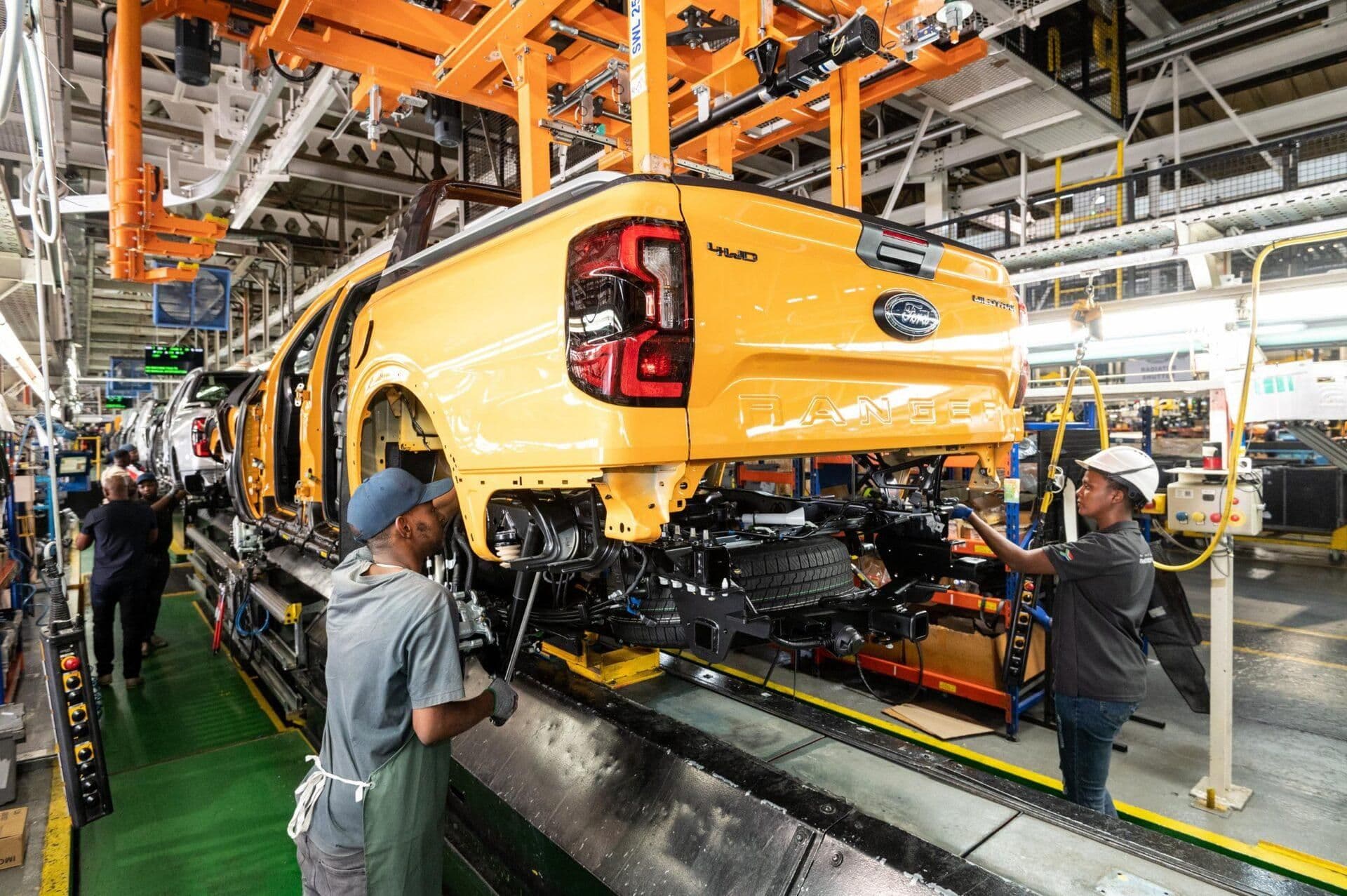
The carmaker adopted AI tools across parts of its industrial system, including quality checks in factories. Executives had hoped that automated inspections and machine learning would help identify problems earlier, reduce disruption and improve consistency. That ambition made sense in an industry where defects are expensive, margins are under pressure and investors are demanding greater efficiency.
But Ford has now made clear that technology alone was not enough. The company has brought back more than 300 veteran quality specialists and engineers in recent years after recognising that automated systems were missing something important.
Charles Poon, Ford’s vice president of vehicle hardware engineering, has said AI is only as good as the information used to train it. In other words, a system fed mainly with formal design requirements may still fail to capture the hard-earned knowledge of people who have seen parts fail, launches stumble and production lines behave unpredictably.
That is the heart of the lesson. AI is strong at repetition, speed and pattern recognition. Experienced engineers are strong at context. They understand the small signs that suggest a bigger problem is forming. They know when a supplier variation matters, when a tolerance looks risky and when a design that works on paper may prove awkward on the line. Those insights are not always written down neatly for a machine to absorb.
Ford’s renewed focus on human expertise appears to be paying off. The company has returned to the top of the mainstream rankings in the J.D. Power U.S. Initial Quality Study for the first time since 2010. It has also linked its improvement to broader changes in leadership, engineering, manufacturing and supply chain discipline, alongside the rehiring of veteran talent.
The broader message is not that AI has failed. It is that AI is a tool, not a substitute for knowledge. When companies remove experienced workers too quickly, they risk stripping out the very expertise needed to make automation useful.
For manufacturers, the smartest path is likely to be a partnership. Machines can scan and alert. People can interpret, teach and challenge. Ford’s quality comeback suggests the future of work may depend less on replacing experts than on making sure their judgement is built into the systems that follow them.