Bharat NCAP (BNCAP) represents India's bold step into comprehensive vehicle safety assessment, launching in 2023 to address the world's largest automotive market. For South African collision repair professionals, BNCAP's emergence is significant given the growing presence of Indian automotive manufacturers in our market.
Strategic Importance
Operating under India's Ministry of Road Transport and Highways, BNCAP aims toenhance vehicle safety standards across the subcontinent. The programmeaddresses a critical need in a market where affordability often trumped safetyconsiderations, making it particularly relevant for South Africa's diverse economicautomotive landscape.
Testing Framework
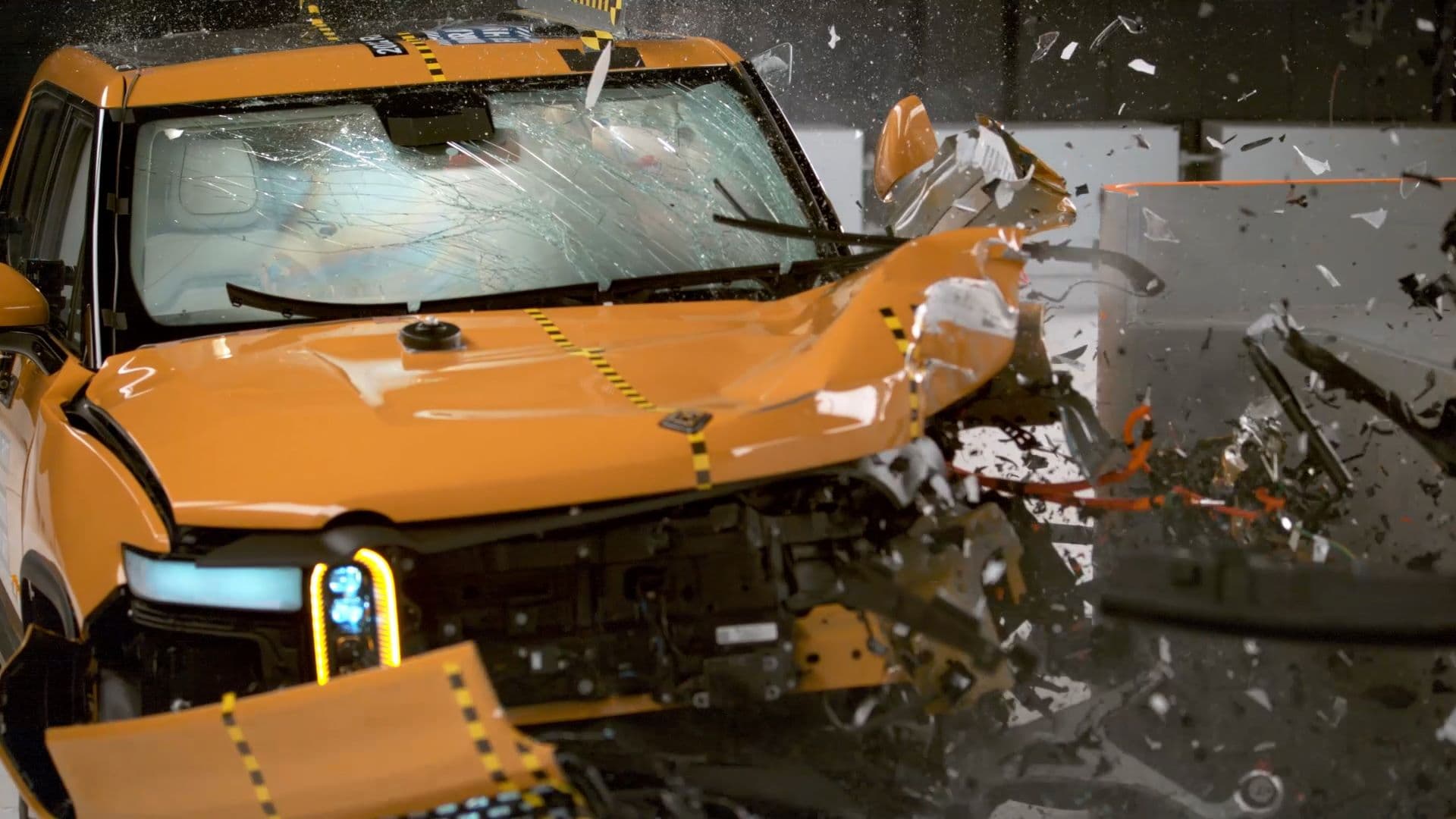
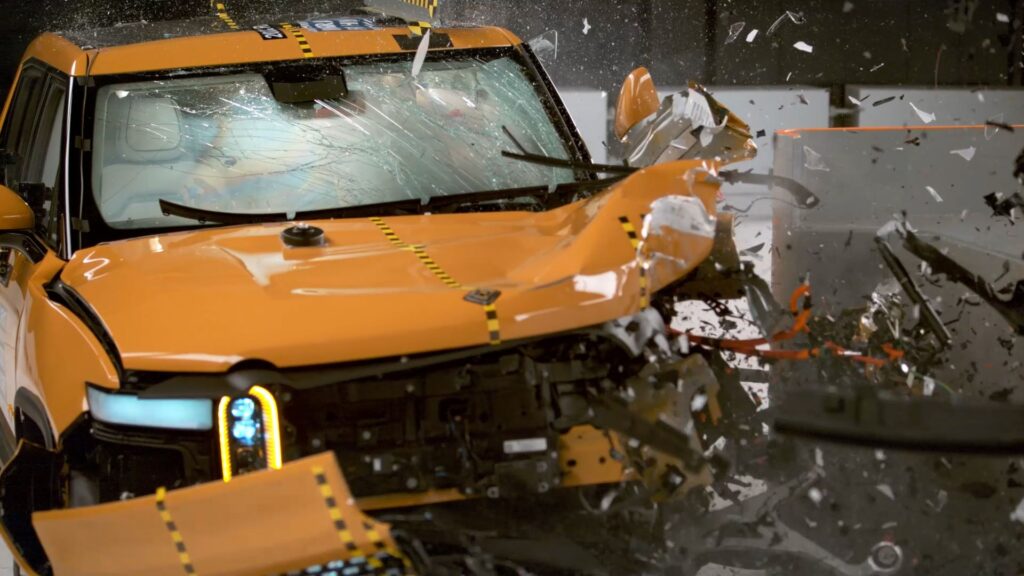
BNCAP operates on Automotive Industry Standard 197 (AIS 197), conducting frontal offset tests at 64km/h and side impact assessments at 50km/h. The programme also includes pole side impact testing at 29km/h, creating a comprehensive evaluation framework aligned with global best practices.
Unlike some regional programmes, BNCAP functions as a voluntary initiative thatgoes beyond India's mandatory regulatory requirements. This approach encouragesmanufacturers to exceed minimum safety standards, driving innovation in the rapidly expanding Indian automotive sector.
Rating System
The programme employs a five-star rating system evaluating adult occupantprotection, child occupant protection, and safety assist technologies. This holisticapproach reflects modern understanding that vehicle safety encompasses multipleprotection layers and user categories.
Market Impact
BNCAP's influence extends beyond India's borders through the global operations of Indian automotive manufacturers like Tata Motors and Mahindra. These companies increasingly design vehicles to meet BNCAP standards, potentially improving safety features in models exported to South Africa and other markets.
Manufacturing Connections
India's automotive relationship with South Africa makes BNCAP particularly relevant for local repair facilities. Several Indian manufacturers have established operations in South Africa, bringing vehicles designed to meet BNCAP protocols. Understanding these standards helps repair professionals anticipate vehicle construction techniques and safety system integration.
Technical ImplicationsBNCAP-rated vehicles typically incorporate advanced high-strength steels, multipleairbag systems, and electronic stability programmes. For collision repair facilities,this means encountering increasingly sophisticated structural designs requiringspecialised repair techniques and calibrated equipment.
Future OutlookAs BNCAP matures, its protocols will likely influence vehicle design decisionsaffecting the South African market. The programme's emphasis on affordable safety solutions aligns with South Africa's need for accessible yet safe transportation options.
BNCAP represents a significant development in global vehicle safety assessment,with implications extending far beyond India's borders through internationalmanufacturing partnerships and export relationships.