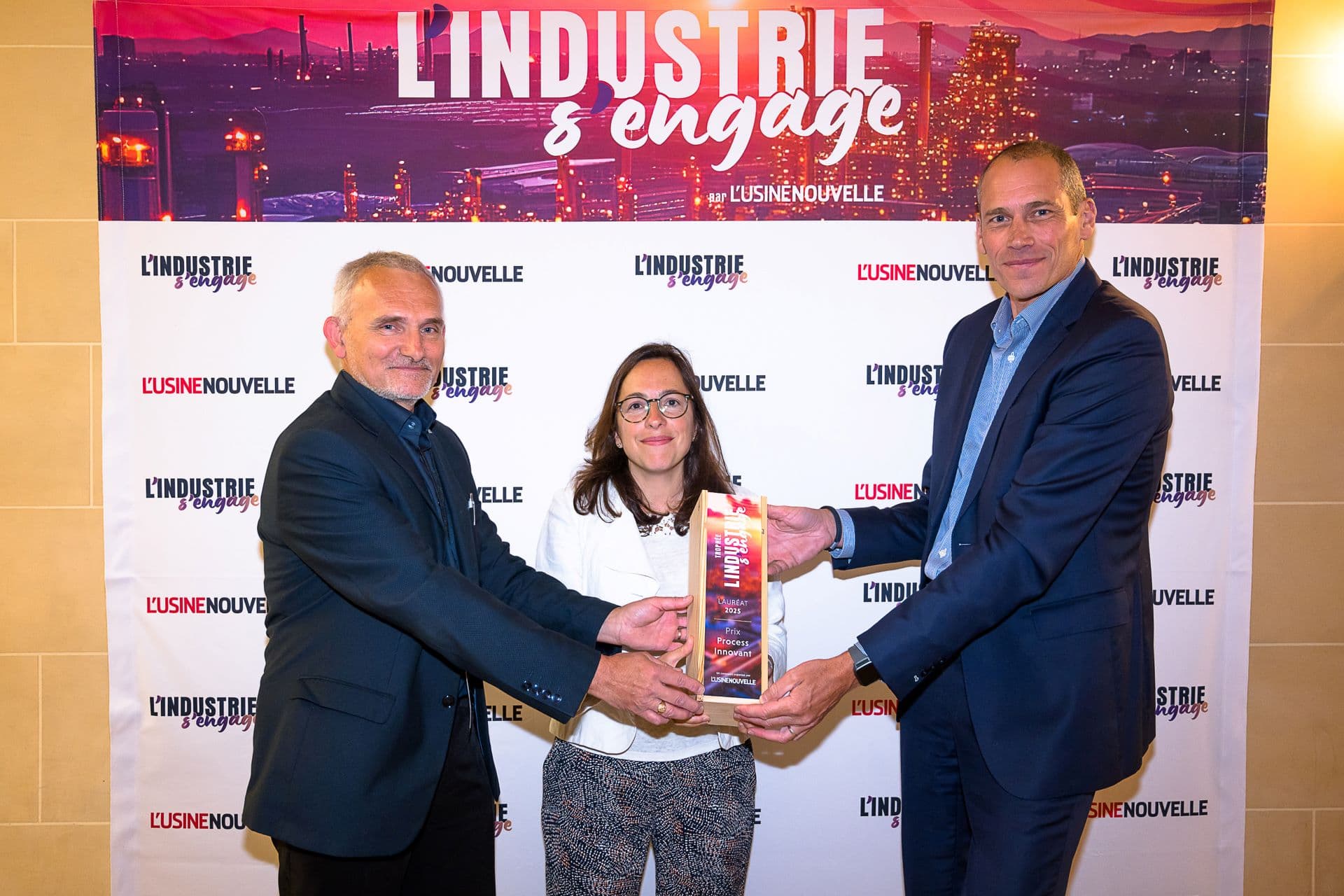
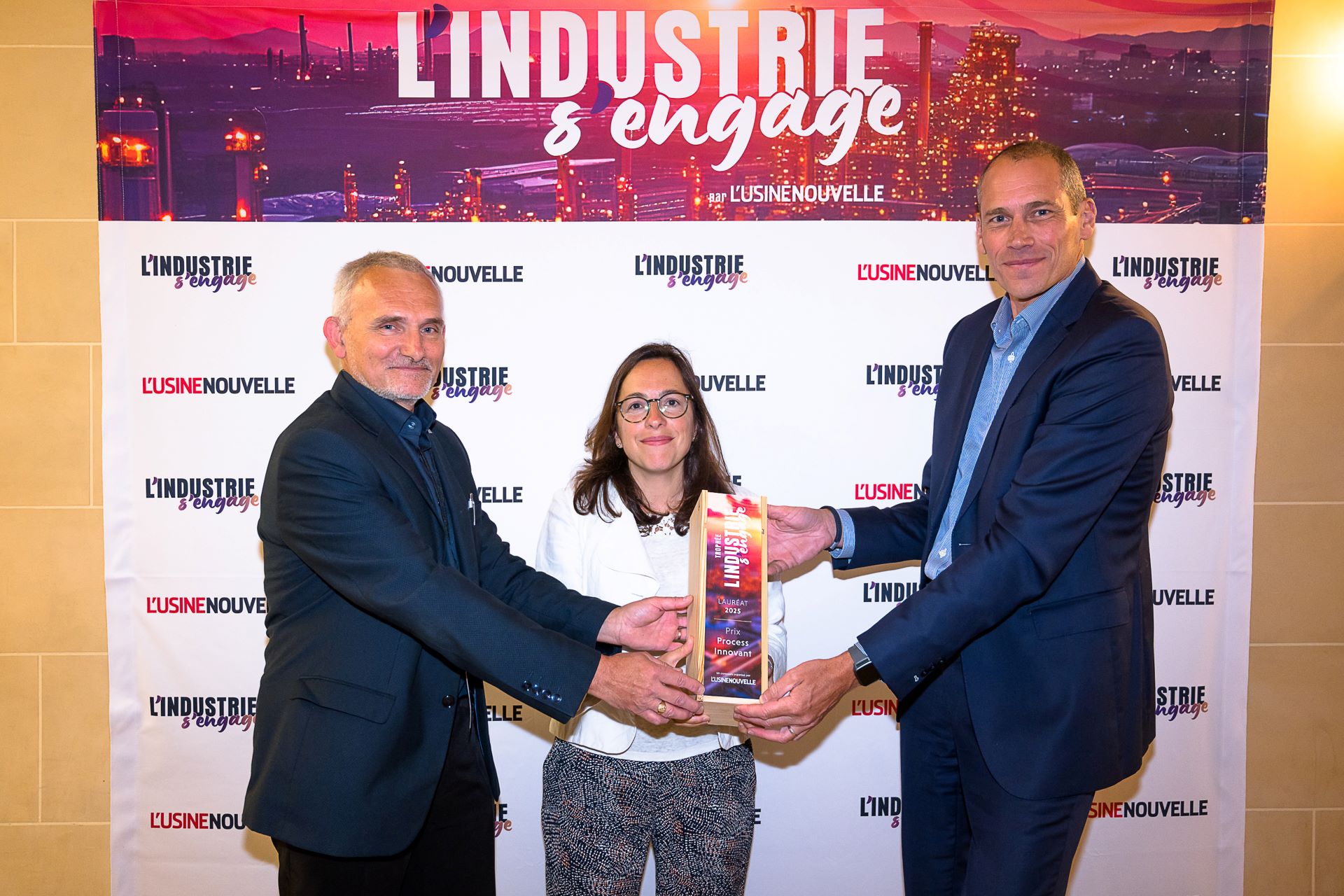
A new automotive paint process that eliminates waste and cuts costs by 70% has won a major industry award.
The technology, which was developed by BASF Coatings, Renault Group and Dürr, allows two-tone vehicle painting to be completed in a single pass, reducing operational costs and process time whilst cutting environmental impact.
The OFLA process is operational at Renault's Maubeuge plant, using a wet-on-wetpaint application system that applies two colours simultaneously during massproduction. BASF developed the decor coat paint technology for the process, whilstDürr provided the jet applicator (EcoPaintJet Pro) and robotic automation systemsthat deliver precise paint application without overspray.
Traditional two-tone painting requires vehicles to pass through the paintshop twice,with manual masking and protective materials applied between coats. This creates a labour-intensive process that generates waste and consumes significant energy.
OFLA uses a jet-based application system based on digital printing technology. Itapplies coatings to areas such as contrasting roofs and A-C pillars withoutoverspray, eliminating the need for masking materials and allowing paintshops toincrease capacity for two-tone vehicles through full automation.
According to BASF, the technology delivers 100% paint transfer efficiency. Processcosts can be reduced by up to 70%, waste has been cut by 1.6 kg per vehiclethrough eliminating masking materials, energy consumption has decreased by up to 80%, and CO₂ equivalent emissions have been lowered by around 80%.
The collaboration demonstrates how European manufacturers are developing newstandards for efficiency and environmental responsibility in industrial production.OFLA increases design flexibility and production efficiency whilst setting newbenchmarks for sustainable manufacturing in the automotive sector.