Motorists in South Africa are being warned that poor brake maintenance is not only a safety risk but could also create legal and insurance complications after a crash.
The Vehicle Testing Association (VTA), part of the Retail Motor Industry Organisation, says many drivers still ignore brake problems until performance noticeably worsens.
Julian Pillay, national director of the VTA, says the braking system remains one of the most important components in any vehicle, yet it is often overlooked during routine upkeep.
He notes that defective brakes can undermine a vehicle’s roadworthiness and may become a factor when insurers assess a claim, especially if poor maintenance contributed to the incident.
By law, vehicles must meet minimum roadworthiness standards. If a braking system is worn, leaking or otherwise compromised, owners may face more than repair bills if an accident occurs.
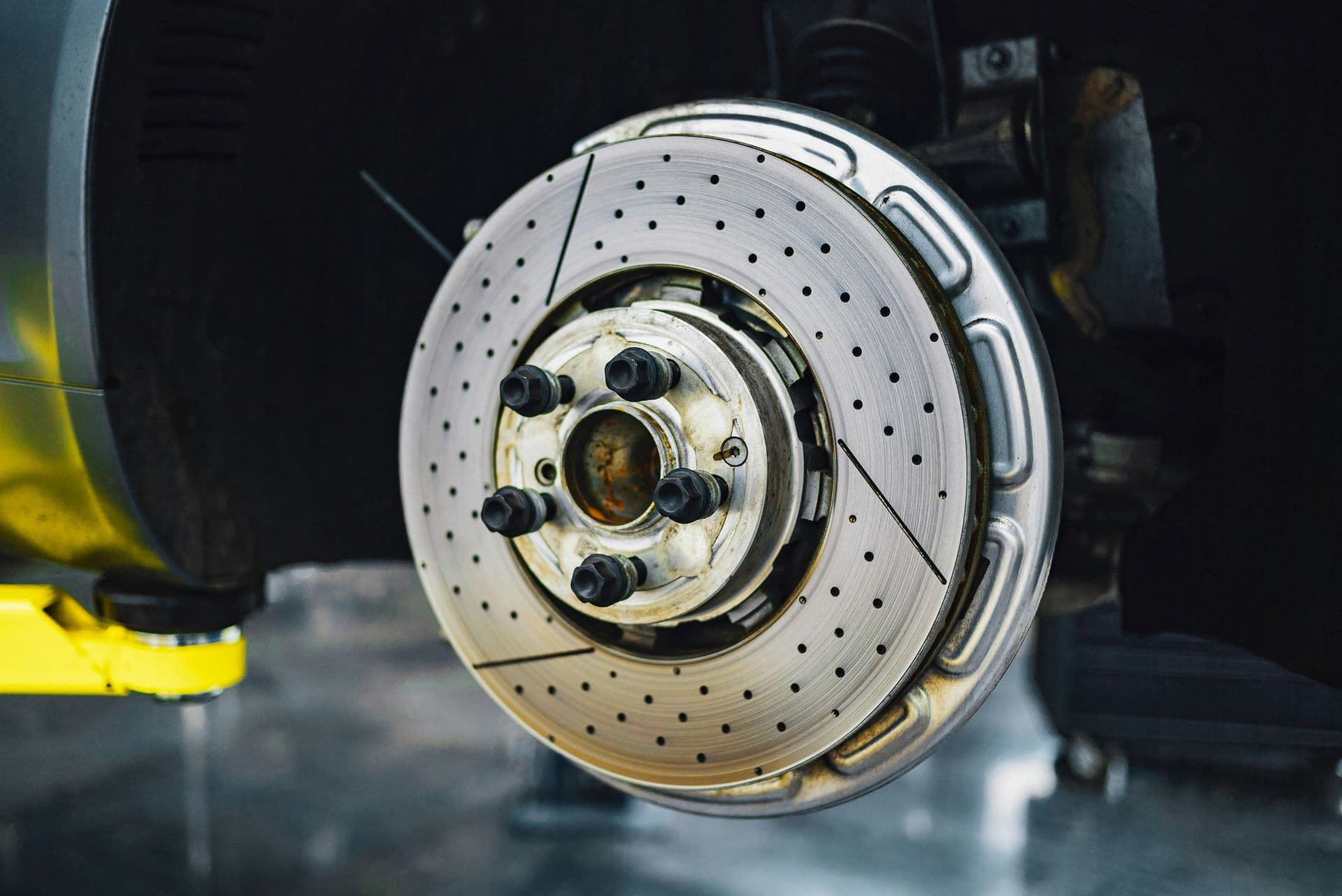
Worn pads, damaged discs, degraded brake fluid and other faults can lengthen stopping distances and reduce control in an emergency. Routine inspections can identify these problems early, helping drivers avoid more dangerous failures and higher repair costs later on.
The warning also highlights a wider gap in oversight. In South Africa, private vehicles generally need a roadworthy test only when ownership changes, while public transport vehicles and heavy-load vehicles are tested more often. Taxis and trucks are usually tested annually, and buses every six months.
That means a large share of privately owned vehicles may go years without a formal roadworthiness inspection, even as owners keep cars for longer and postpone maintenance because of rising costs.
This matters in a country where road deaths remain stubbornly high. Official road-safety reporting has long pointed to a mix of human behaviour, road conditions and vehicle defects as contributors to serious crashes.
While driver behaviour remains the biggest factor in most collisions, faulty brakes continue to feature among the vehicle-related defects linked to crashes.
Drivers should not wait for a dashboard warning light before booking an inspection. Squealing, vibration, a soft pedal or a longer stopping distance are all signs that the system needs attention.
Well-maintained brakes support smoother handling and may save money over time, but the bigger issue is public safety. A timely brake check protects not only the driver and passengers, but everyone else on the road.