The decision by Parliament’s Standing Committee on Public Accounts to pursue criminal charges against former Road Accident Fund chief executive Collins Letsoalo marks a significant moment in the ongoing scrutiny of the Fund’s leadership and governance.
The Personal Injury Plaintiff Lawyers Association, which represents roughly 400 personal injury lawyers across South Africa, has welcomed the move, describing it as an important sign that public officials can and should be held answerable for their conduct. The charges relate to an alleged failure to comply with a parliamentary summons, an issue that has added to wider concerns about accountability at one of the country’s most troubled public institutions.
At a time when the Road Accident Fund is under intense financial and operational pressure, the committee’s action is likely to be seen as more than a procedural step. It points to a growing insistence that those responsible for managing public institutions and public money must face consequences where there are serious questions about their actions.
For years, claimants, their families, attorneys and healthcare providers have had to navigate a system beset by delays and inefficiencies. Late processing of claims and slow payment of valid matters have become an all too familiar feature of the RAF landscape, placing additional strain on people who are already dealing with the aftermath of serious road accidents.

PIPLA chairperson Advocate Justin Erasmus said the allegations that have surfaced in recent months have raised profound concerns about leadership, governance and financial oversight within the Fund. In his view, the public must be able to trust that institutions serving vulnerable citizens are run lawfully, transparently and with integrity.
He also expressed hope that this development could signal the start of a more stable and accountable era for the RAF. With confidence in the institution under pressure, he said it is essential that maladministration and corruption are not allowed to take root unchecked.
PIPLA has reiterated its willingness to engage constructively with other stakeholders in support of reforms aimed at making the Fund more efficient, financially sustainable and responsive to the needs of those who rely on it.
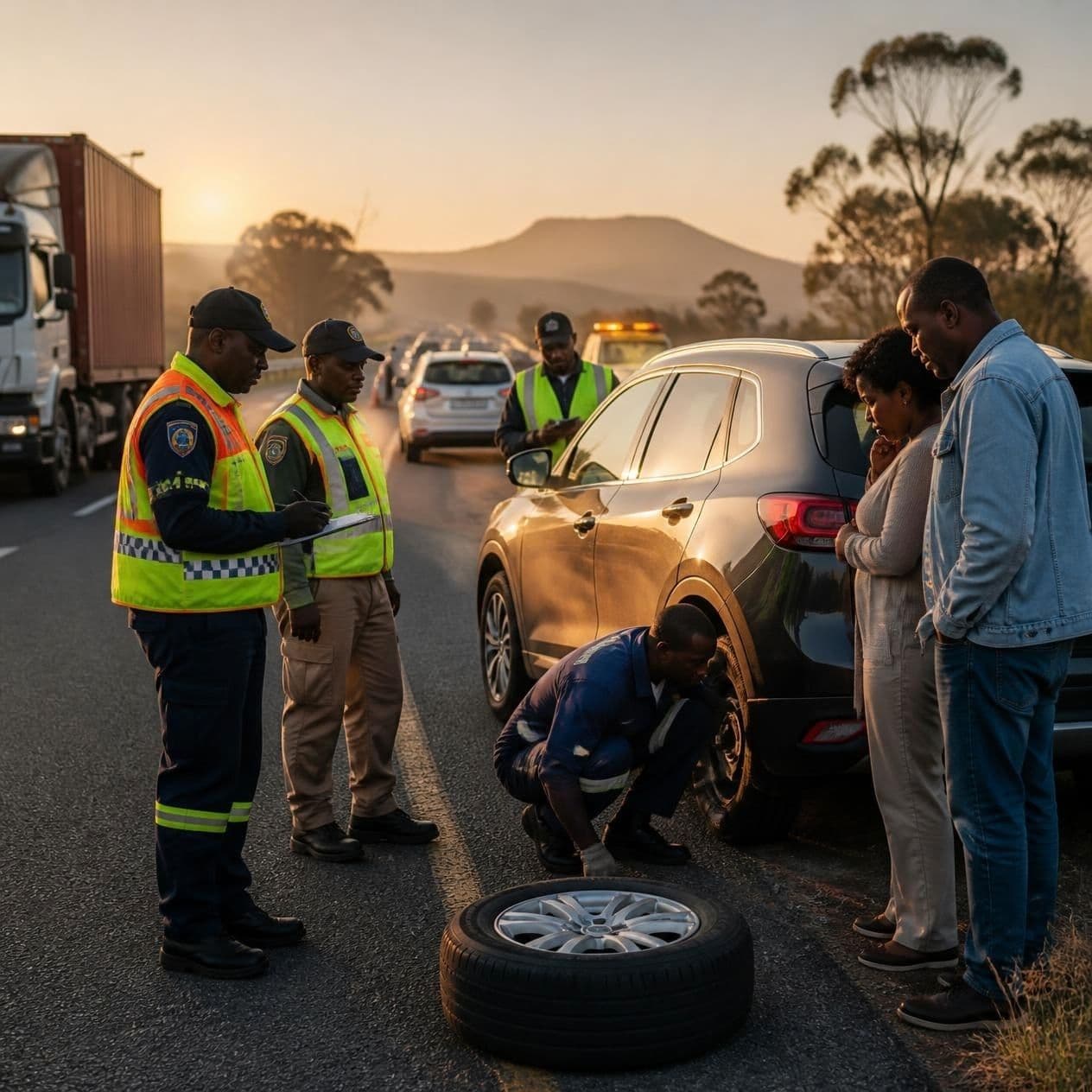
In the end, it is road accident victims who suffer most when governance breaks down. Any effort to improve oversight, strengthen administration and address the persistent payment crisis is likely to be welcomed by those who depend on the RAF for relief and support.