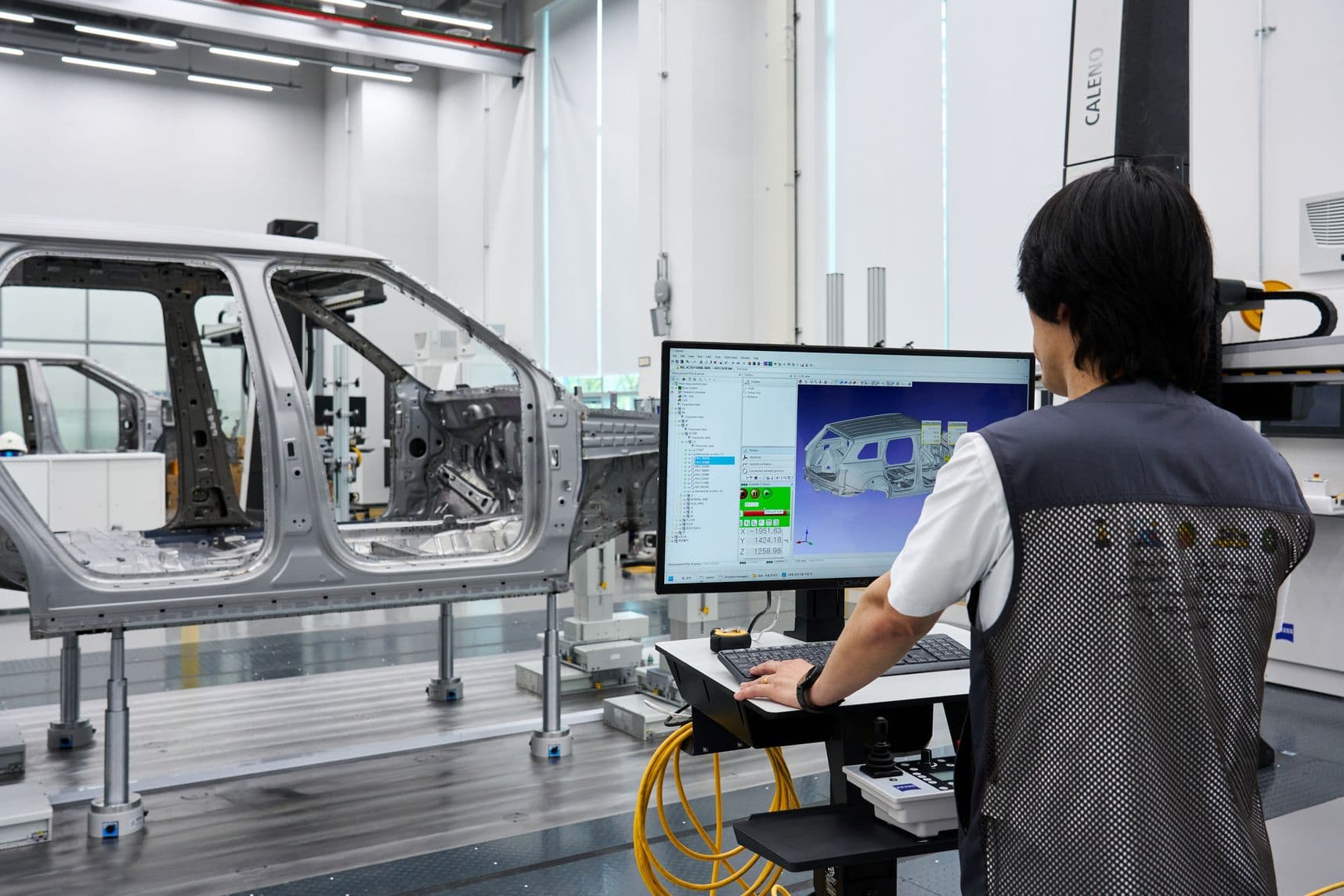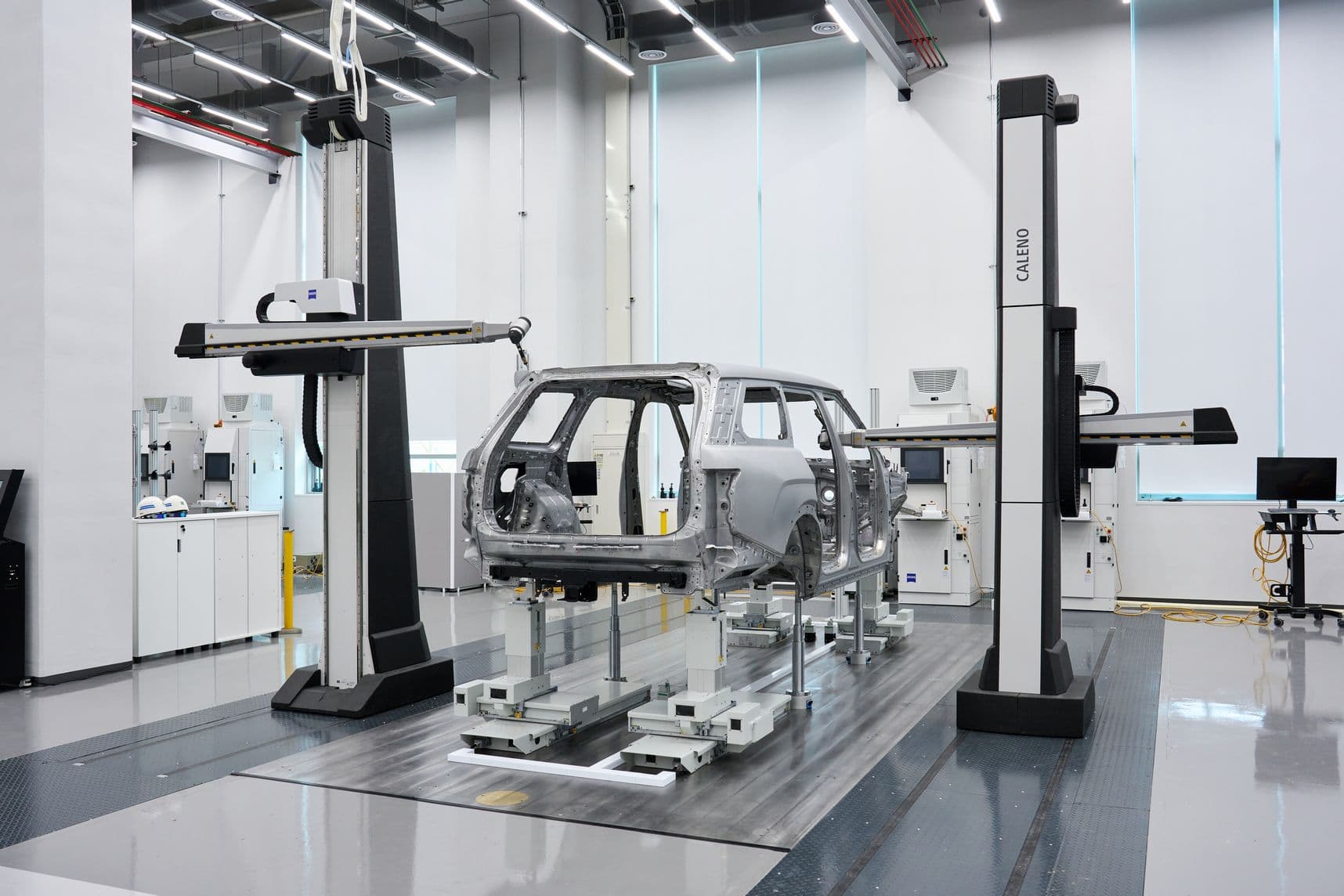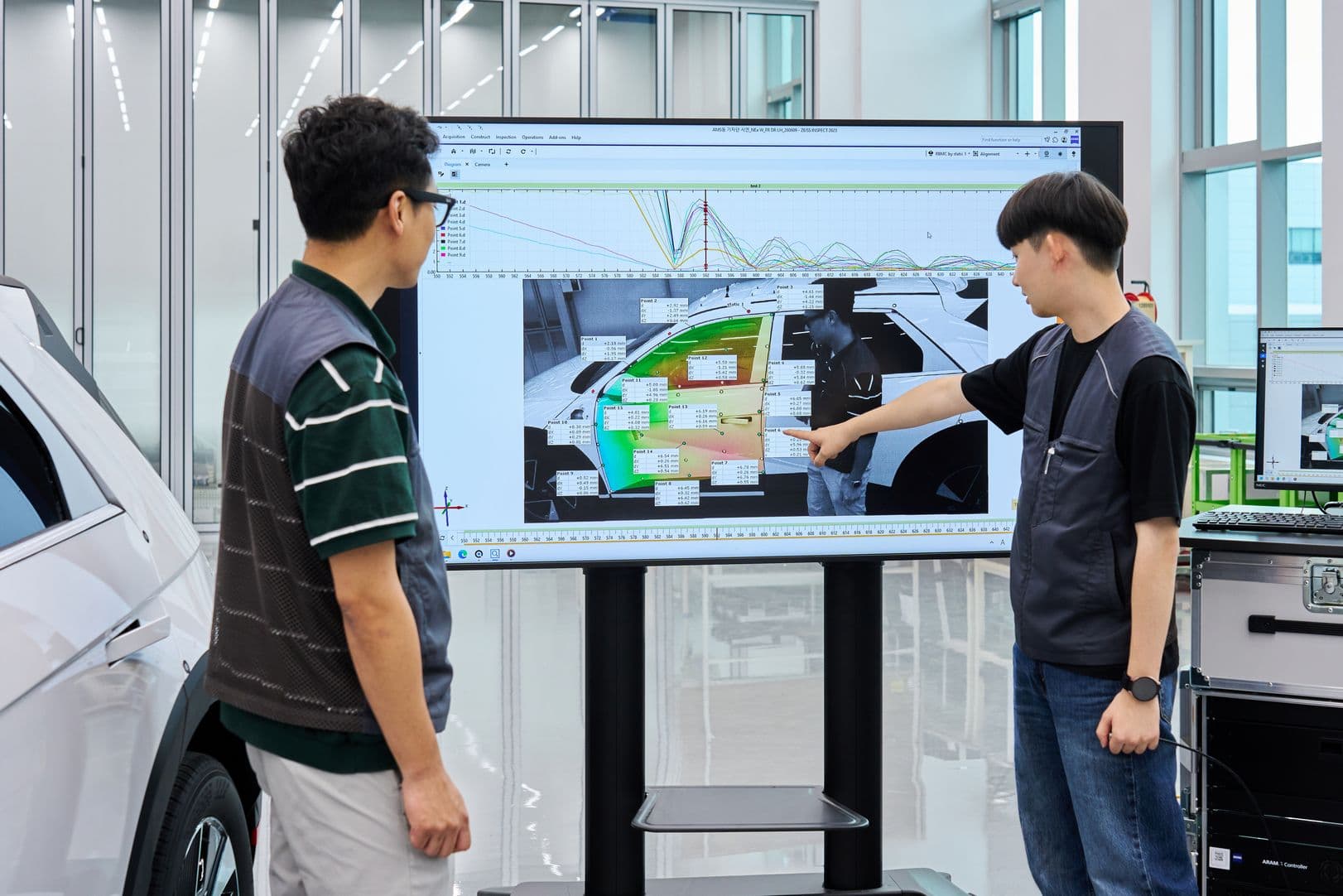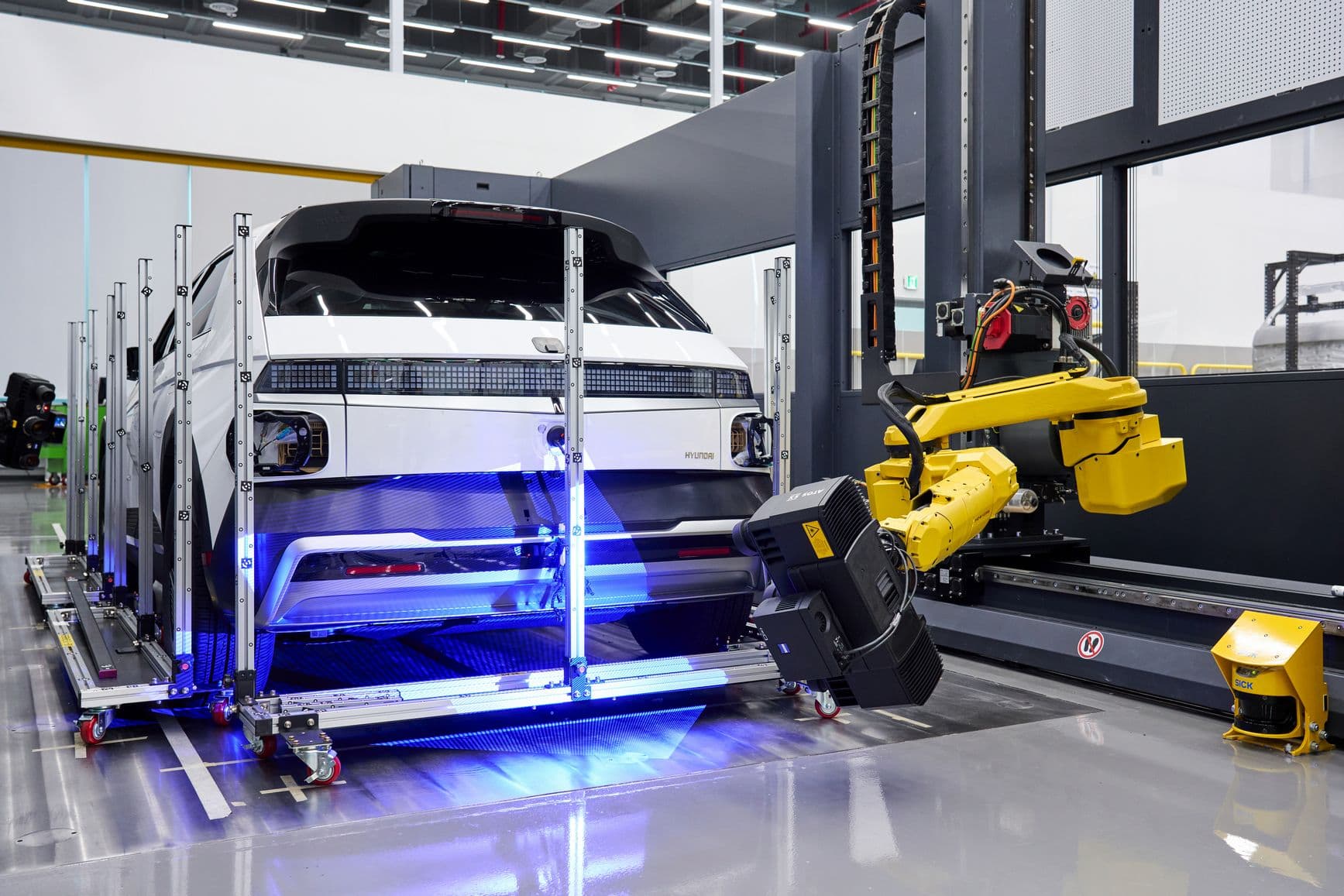
At the Namyang Research and Development Centre in South Korea, the companies operate a Digital Measuring Centre, known as the DMC. Its job is to check how accurately every part of a vehicle fits together. This may sound like a small detail, but it can make a big difference to the ownership experience.
If a car door does not close smoothly, if wind noise becomes noticeable at higher speeds, or if water begins to leak through a tiny gap, the problem may not be caused by a major fault. It can result from very small differences in the way panels, doors and other parts have been made or assembled. These differences are often too small to spot by eye, but they can affect how the vehicle feels and performs over time.
To prevent this, Hyundai and Kia measure up to 1 000 points on each vehicle body. These measurements are checked against around 600 quality standards. The aim is to make sure that the structure, panels and moving parts are correctly aligned and working as intended.
The DMC focuses on four main areas: exterior quality, noise and vibration, water tightness, and the ease and accuracy of assembly. Engineers use Coordinate Measuring Machines with highly precise sensors to scan the vehicle body in three dimensions. This allows them to see whether parts are positioned correctly and whether gaps or alignments meet the required standards.
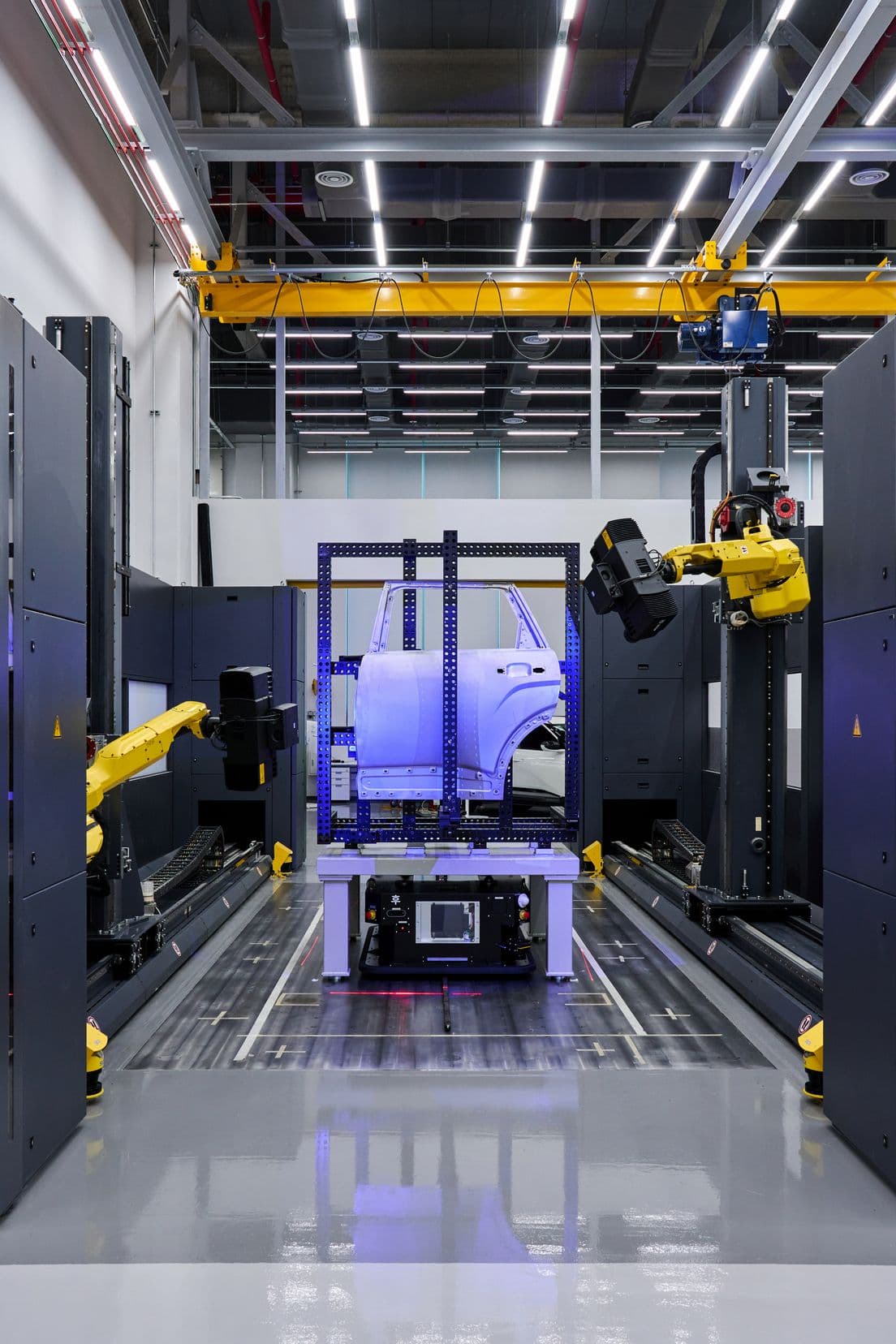
Moving parts such as doors, boot lids and tailgates are also checked carefully. Robotic systems and 3D scanners measure their shape and movement, helping engineers confirm that they open, close and fit properly. Components can also be tested on special fixtures before they are installed on a vehicle, allowing problems to be found earlier in the development process.
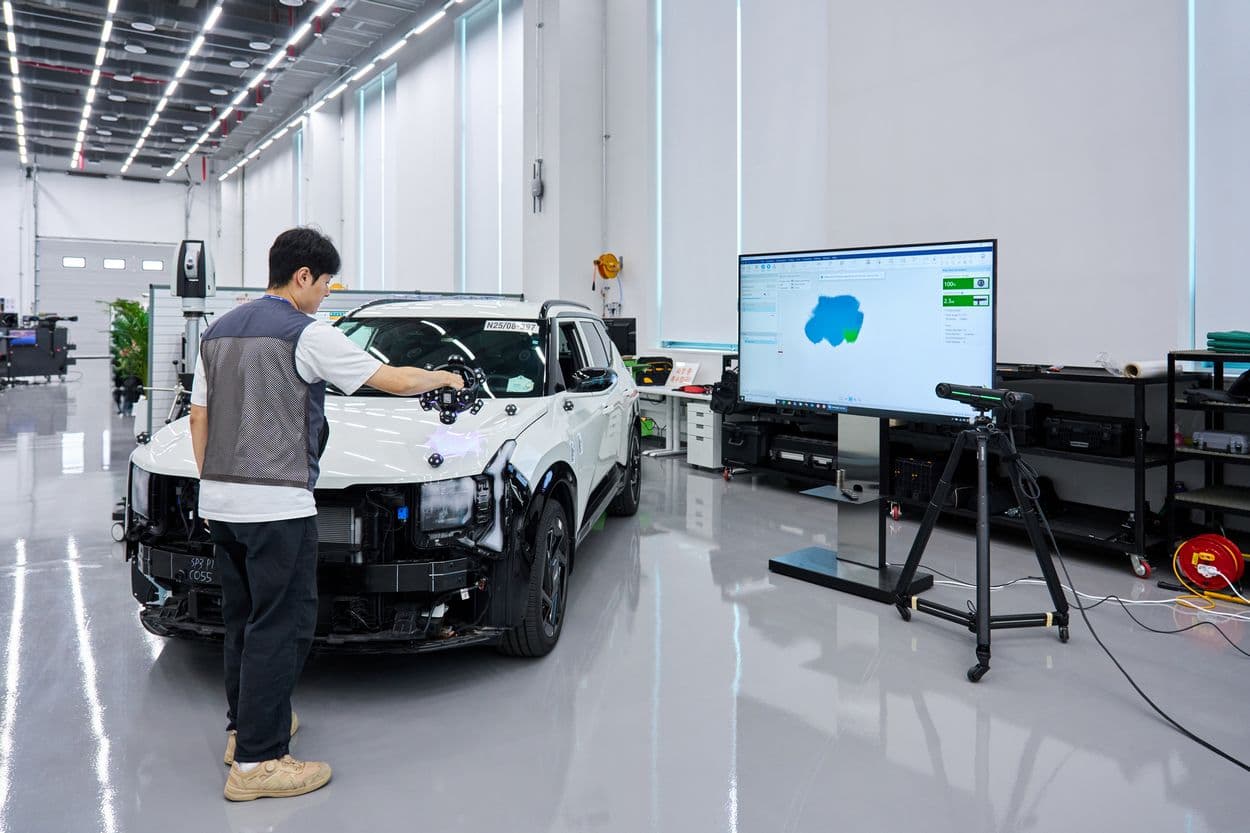
The final stage involves checking the complete vehicle. Engineers scan the finished car and compare the data with measurements taken during earlier stages. If a problem is found, they can trace it back to the part or process that caused it. This makes it easier to correct issues before vehicles go into full production.
Hyundai and Kia also test how moving parts behave during real use. In a dynamic motion laboratory, cameras and sensors capture doors and tailgates opening and closing at very high speeds. These tests reveal tiny movements and changes in shape that people would not normally notice.
All the measurement data is stored and analysed in one central system. Hyundai and Kia use this information to find the best assembly methods, identify possible causes of variation, and support better decision-making. The companies also plan to use accumulated data to develop artificial intelligence tools that can further improve vehicle development.
According to Hyundai Motor Group, the purpose of the DMC is not only to find faults, but to build quality into the customer experience. By managing details that customers may never see, the company hopes to deliver vehicles that feel quieter, stronger and more reliable in everyday use.