South Africa’s automotive industry is advancing rapidly, with vehicles becoming smarter and more complex each year. This progress brings a pressing need to ensure that technical aftersales skills evolve at the same pace as innovation.
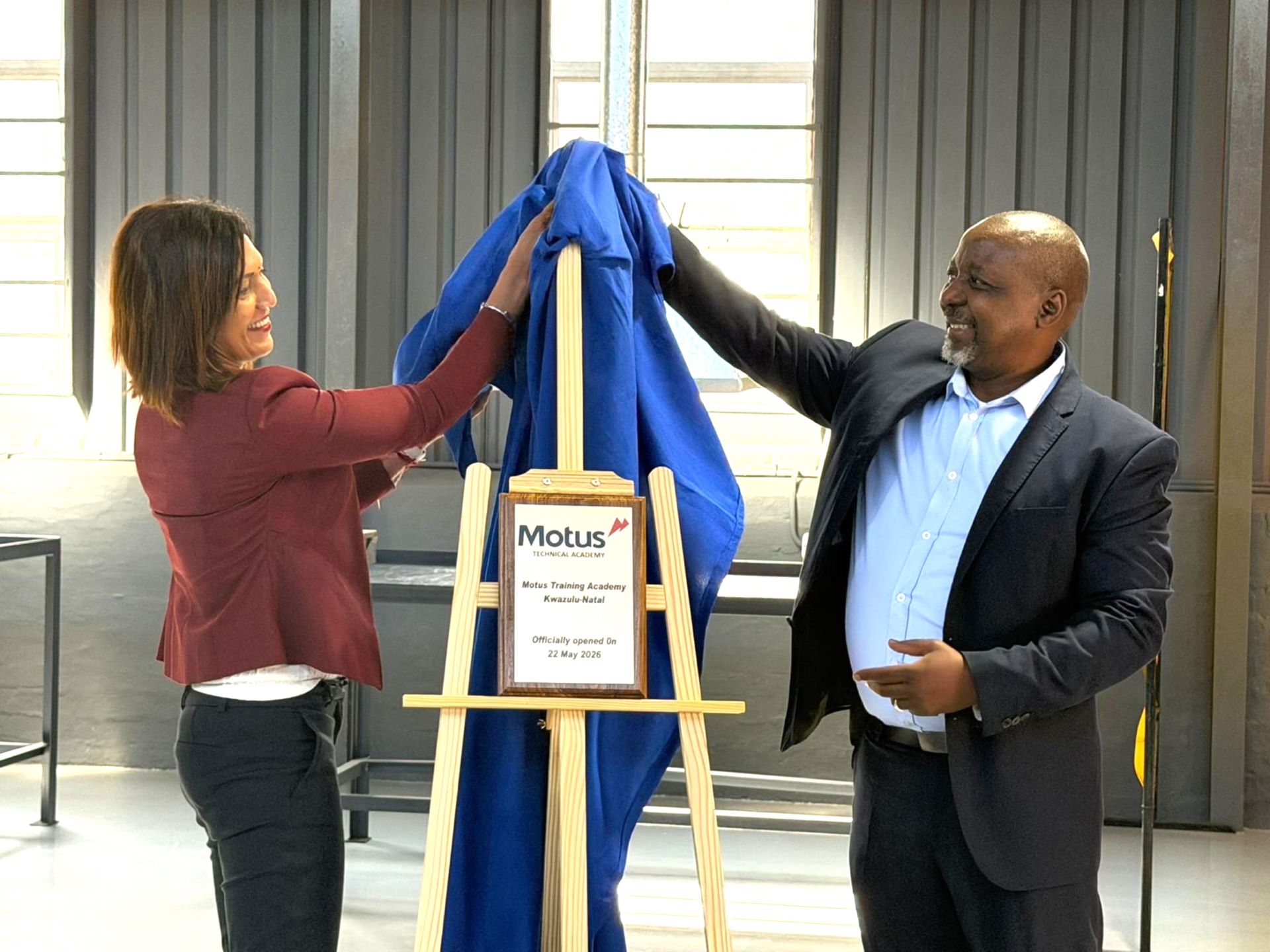
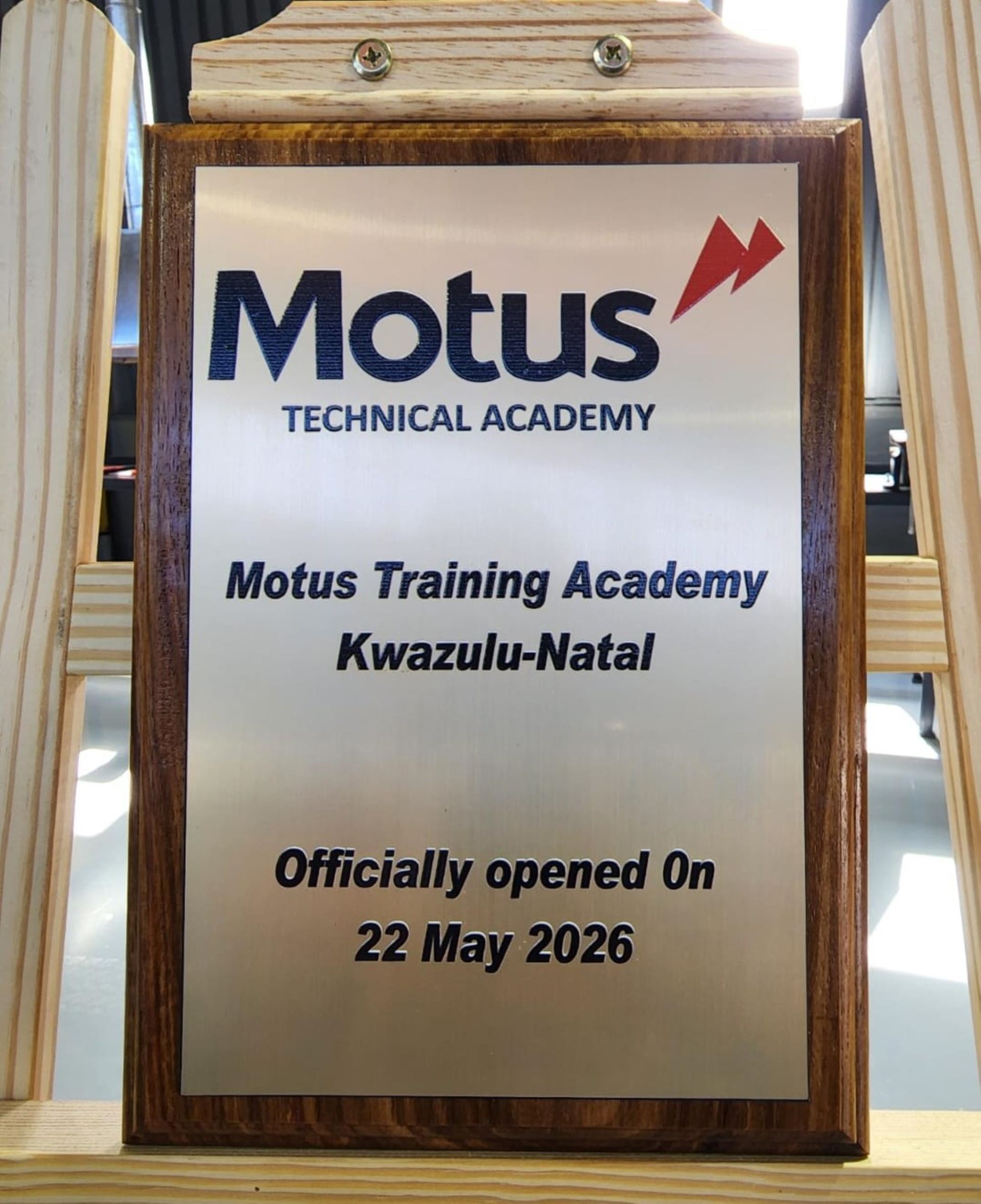
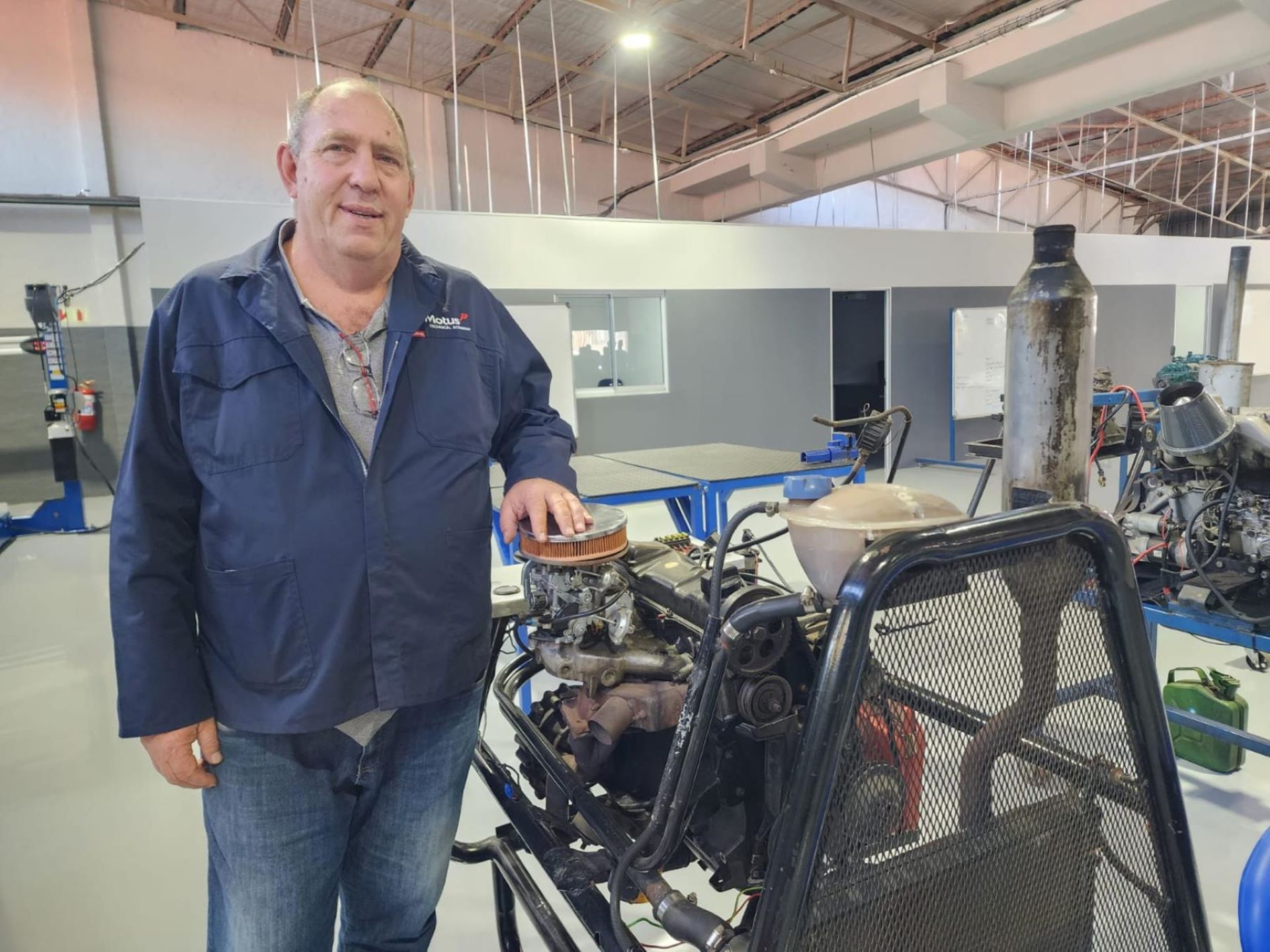
At the launch of the Motus Training Academy in Pinetown, KwaZulu-Natal, Hyundai Automotive South Africa CEO Stanley Anderson emphasised the importance of preparing young people for sustainable careers in the sector. The academy will train more than 2 000 students annually in mechatronics, electric energy vehicles, diagnostics, and advanced servicing technologies.
“As the automotive industry evolves at an accelerated pace, the need for highly skilled technicians and artisans has never been greater,” Anderson explained. “Academies like this play a critical role in ensuring the industry remains globally competitive.”
Hyundai has expanded its youth and technical development initiatives significantly. Across its 97-strong national dealer network, the company currently supports 338 apprentices, with women making up nearly a quarter of the programme.
Earlier this month, Hyundai revealed that its youth employment initiative attracted over 33 000 applications nationwide, underscoring the demand for workplace opportunities in the automotive sector.
The future of automotive retail and manufacturing will depend heavily on technical capability and continuous skills development. With the sector contributing more than 5,2% to South Africa’s GDP and providing employment to around 500 000 people, investment in training is vital.
Government’s National Development Plan aims to produce 30 000 artisans annually by 2030, a target that initiatives like the Motus Academy will help to achieve.