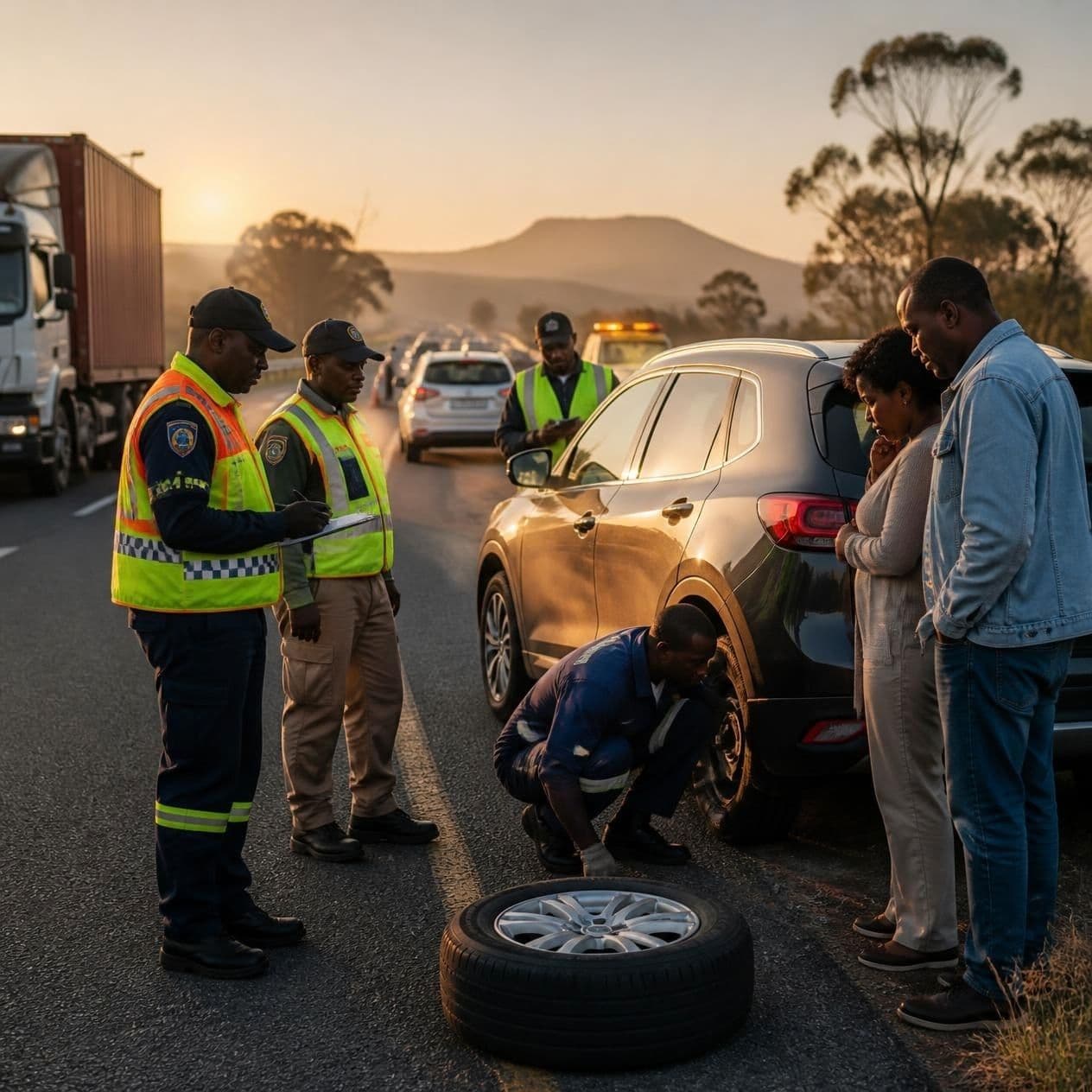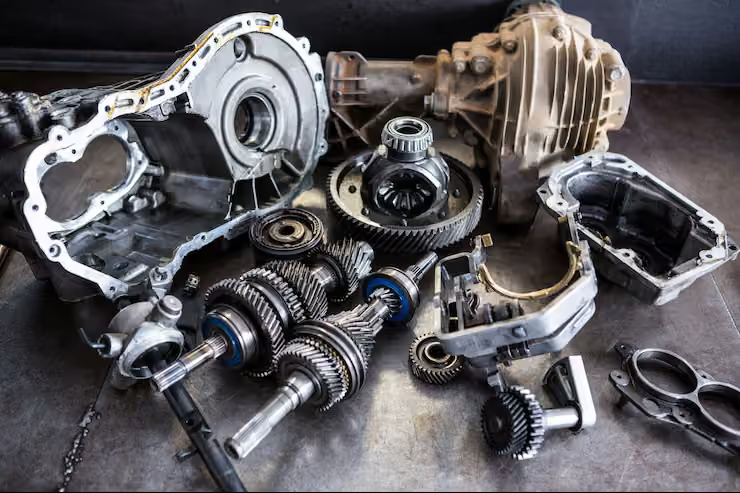
A major competition case unfolding in Botswana may prove highly significant not only for that country’s motor insurance and vehicle repair sectors, but also for neighbouring South Africa, where many of the same commercial tensions have been debated for years.
The Botswana Competition and Consumer Authority has referred a matter, registered as CCT/A/01/2023, to the Competition and Consumer Tribunal in Gaborone concerning the conduct of several insurers and a parts procurement platform operating in the automotive repair industry. At the centre of the case are allegations that certain practices may have limited the freedom of independent repairers and weakened competition in the market.
The respondents include Botswana Insurance Company Limited, Hollard Insurance Company of Botswana, Old Mutual Short-Term Insurance Botswana Limited, and Parts Portal (Pty) Ltd, which trades as Autobodys Revolve. The Authority argues that aspects of their conduct may fall foul of Botswana’s Competition Act, particularly where those practices may have distorted normal market dynamics.
According to the case presented by the Authority, insurers are alleged to have influenced or controlled important elements of the repair process in ways that could undermine repairer autonomy. These concerns include the setting or pressure on labour rates, restrictions on profit margins relating to spare parts, and the apparent requirement that repairers source components through a single portal rather than through open and competitive channels.
The Authority also appears to be seeking remedies that go beyond a simple declaration of wrongdoing. Among the outcomes requested are measures to reverse decisions that may have disadvantaged repairers who had previously raised complaints with the regulator. Financial penalties may also follow if the Tribunal concludes that the parties contravened competition law.
What makes the matter particularly important is its broader effect on the structure of the repair and insurance market. If repairers are unable to negotiate labour pricing freely, choose suppliers independently, or compete on commercial terms, the result could be a more restricted marketplace. In practical terms, that may reduce consumer choice, place pressure on smaller operators, and affect the cost and quality of vehicle repairs.
Although the case is being heard in Botswana, its significance is unlikely to stop there. South Africa has a far larger and more developed collision repair and short-term insurance environment, yet many of the same issues have surfaced repeatedly in industry debate. These include insurer control over approved repair networks, the use of procurement systems, pressure on pricing, and long-standing concerns about whether independent repairers are being squeezed by dominant commercial arrangements.
A ruling against the respondents in Botswana could therefore resonate well beyond the immediate parties. It may encourage closer examination of similar practices in other Southern African markets, especially where insurers and service providers operate across borders. Regulators, trade associations, insurers and repair businesses in South Africa are likely to study the Tribunal’s findings carefully for any indication of how competition principles might be applied to comparable relationships.
An interlocutory hearing is scheduled for 28 August 2026, with preliminary issues expected to be addressed before the main proceedings continue. While it is too early to predict the final result, the matter is already shaping up as a potentially influential test of how far insurers may go in managing repair supply chains without crossing the line into anti-competitive conduct.