For many drivers, collecting a vehicle after collision repairs can be an uncertain experience. Even though accredited repairers follow strict procedures and carry out several inspections during the repair process, customers often want peace of mind that the approved work has been completed properly.
The South African Motor Body Repairers' Association (SAMBRA), a constituent association of the Retail Motor Industry Organisation (RMI), says motorists can feel far more assured at handover if they understand what work was authorised and know what to inspect before taking the vehicle back.
Juan Hanekom, National Director of SAMBRA, says one of the most common misunderstandings is the belief that a repairer restores the entire vehicle after an accident. In practice, repairs are limited to the work approved either by the insurer or by the customer. If further repairs are needed, motorists can discuss these with the repairer and request a separate quotation.
Hanekom advises motorists to begin by inspecting the part of the vehicle that was actually repaired.
Focus first on the repaired section
The repaired area should look consistent with the surrounding bodywork and should not appear noticeably different from the rest of the vehicle. A simple but effective check is to examine the gaps around doors, bonnets, boots and repaired panels. These should be even and correctly aligned with neighbouring panels.
Hanekom says a good-quality repair should blend naturally with the rest of the vehicle and should not draw immediate attention.
Assess the paintwork carefully
Paint finish is often the most obvious indicator of repair quality. Hanekom recommends standing a few metres away from the vehicle and viewing the repaired area from several angles, ideally in natural daylight.
This makes it easier to judge whether the colour, gloss and surface texture match the surrounding panels. Any obvious variation may suggest that further clarification is needed before the vehicle is accepted.
Pay attention to the finer points
Although vehicles are usually returned in a clean and tidy condition, customers should not assume that a full valet or detailing service is included unless this was specifically agreed beforehand.
That said, motorists should still inspect the repaired area for signs of careful workmanship. This includes checking for polish residue in panel gaps or on rubber trims, paint overspray, loose trim pieces or any leftover repair debris.
Hanekom says these small details often reveal the level of care and professionalism behind the repair.
Make sure all affected parts work properly
Where this falls within the scope of the authorised repair, items such as doors, windows, lights, sensors and other components should function as expected. If anything appears out of place or does not operate correctly, motorists should raise this during handover and ask the repairer to explain exactly what work was completed.
Recognise the checks already completed by the repairer
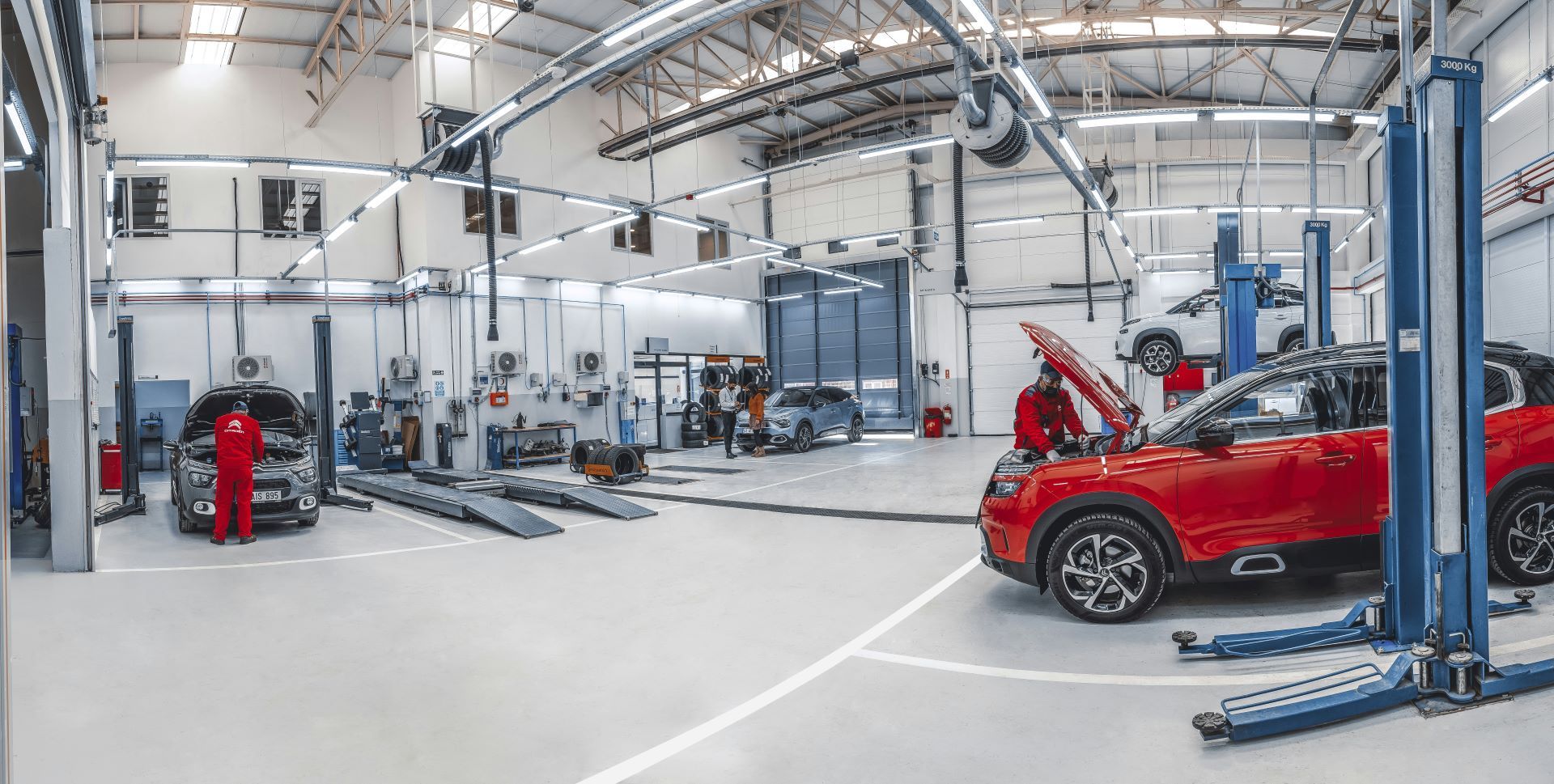
Hanekom points out that accredited repairers carry out multiple inspections throughout the repair journey. These generally take place when the vehicle is first assessed, when it is booked in, during the repair itself and again before collection.
Many repairers also keep detailed records of these checks, often supported by a large number of photographs taken both at the booking-in stage and again before delivery. These quality-control measures are intended to ensure that the vehicle meets the required repair standard before it is returned to the customer.
As modern vehicles become more advanced, with increasingly sophisticated materials, sensors and safety systems, the importance of proper collision repairs continues to grow. High-quality repair work plays a key role in preserving both safety and performance.
SAMBRA encourages motorists to use accredited repairers, ask questions about the approved repair scope and make sure they understand what work has been carried out before accepting the vehicle.
Hanekom says a professional collision repair is about far more than appearance. It is about restoring the damaged area correctly in line with approved procedures and ensuring the customer has confidence in the work completed.