South Africa’s motoring community has been jolted by the revelation that the previous generation Toyota Starlet scored zero stars for adult occupant protection in Global NCAP’s latest #SaferCarsForAfrica crash tests.
The tested model was the entry-level Starlet introduced in 2022, fitted with only two airbags. Toyota has since upgraded the range, with all new models sold from September 2025 equipped with six airbags as standard. Despite this, more than 20,000 customers had already purchased the earlier version before the update.
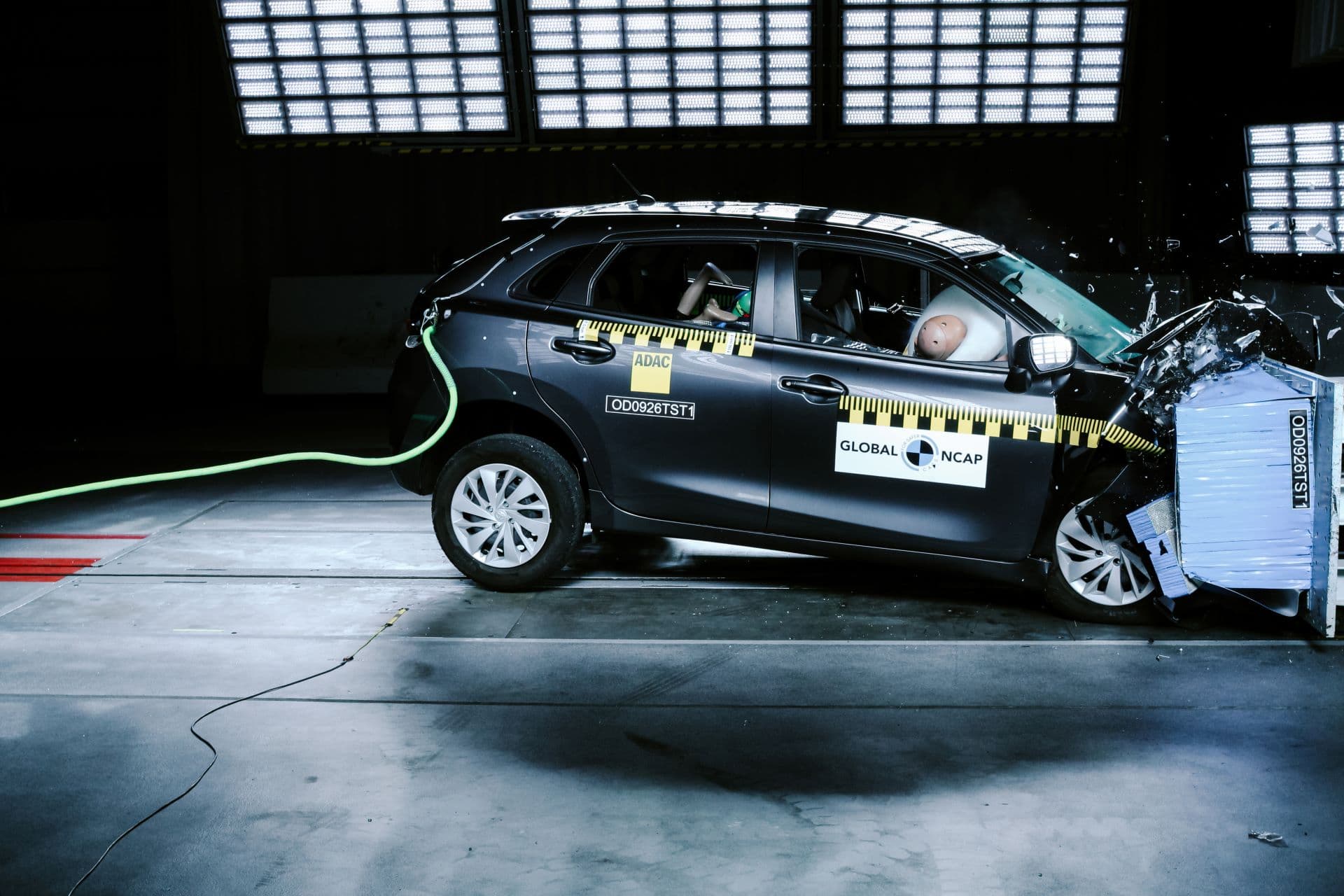
Crash test results revealed serious weaknesses. The bodyshell was unstable, the footwell area incapable of further loadings, and side impact protection for head and chest rated poor. Abdomen protection was only adequate. The lack of side airbags meant the side pole test was not conducted.
Child safety performance was also troubling. In the frontal impact test, the three-year-old dummy’s head contacted the vehicle interior, while chest protection was rated low. Side impact testing showed the child dummy’s head exposed to impact.
Global NCAP’s Chief Executive Officer, Richard Woods, labelled the outcome “shocking,” stressing that the Starlet’s unstable bodyshell and poor protection levels were unacceptable for such a popular model. He welcomed Toyota’s decision to improve safety equipment, noting that the revised six-airbag version will be tested soon.
The Automobile Association has urged Starlet owners, as well as rental and fleet operators, to inspect their vehicles for SRS Airbag markings on the roof lining and B pillar areas. These markings confirm whether the car is fitted with the additional airbags introduced in the updated model. The AA also pointed out that no structural reinforcements were evident following the airbag upgrade.
The #SaferCarsForAfrica initiative, run jointly by the AA and Global NCAP, purchases vehicles anonymously in South Africa before shipping them to Europe for internationally recognised crash testing. The campaign aims to raise awareness of vehicle safety standards and encourage manufacturers to improve protection for African motorists.