Good filler work is not about hiding poor metalwork. It is about following OEM procedures, preparing the substrate properly and applying only what the repair truly needs.
Body filler has been part of collision repair for decades, but modern products are better, lighter and easier to sand than older polyester fillers. Even so, the rule has not changed. Filler is not a shortcut for poor panel straightening. Recent discussion at the Collision Industry Conference stressed that correct filler use starts with good metalwork and a clear process.
The A in ABC is adhesion. Many OEMs now call for epoxy primer over bare metal before filler, especially for corrosion protection. Cleanliness matters just as much. Industry guidance recommends washing, degreasing, sanding the repair area with the correct abrasive, then re-cleaning before any filler is mixed. Applying over contamination, poor prep or the wrong surface profile invites delamination, corrosion and costly comebacks.
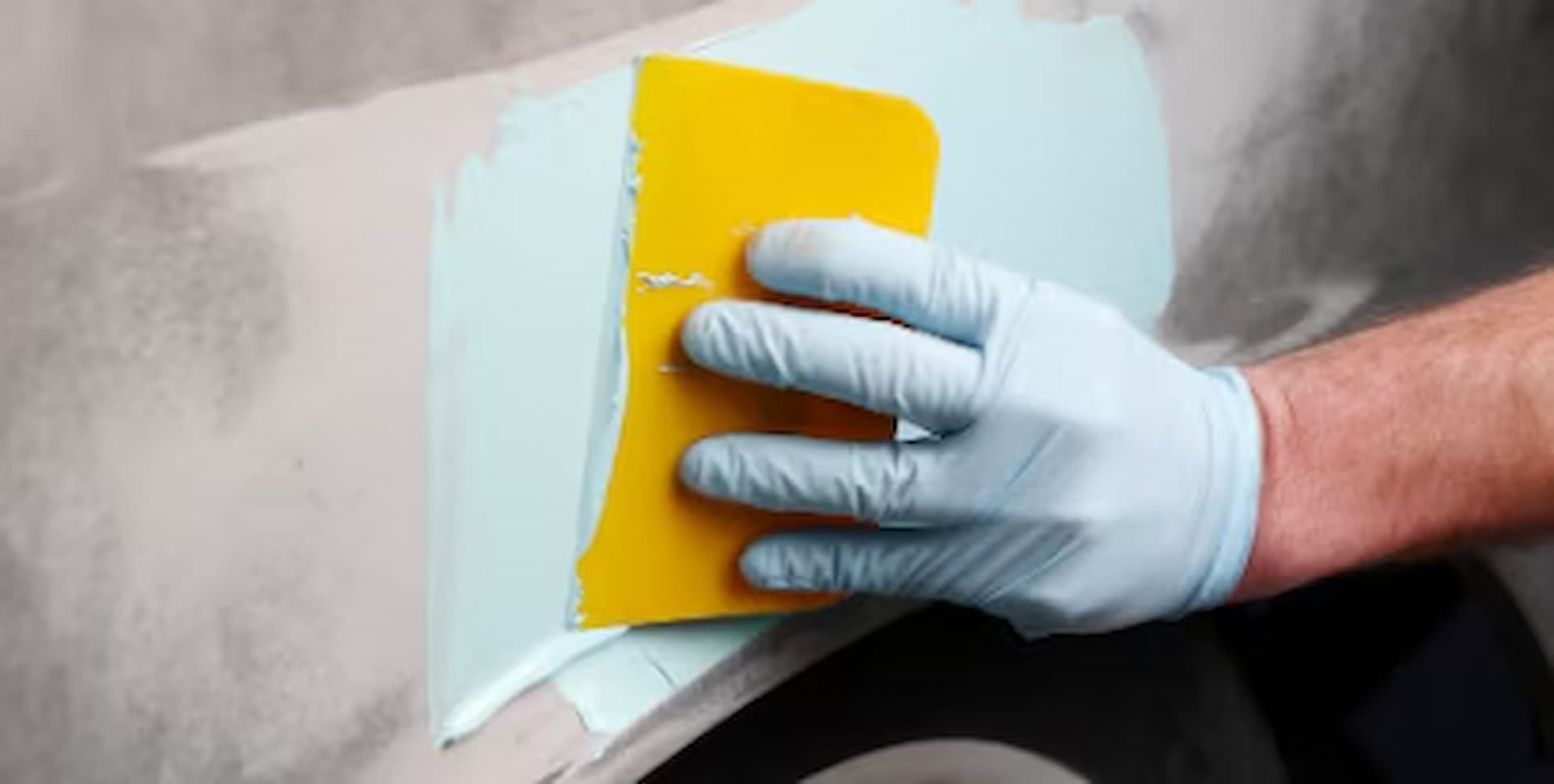
The B is build. Mix filler exactly as the manufacturer specifies, using a clean mixing board rather than cardboard or improvised surfaces. Fold it through instead of whipping air into it. Apply a tight first coat to wet out the substrate, then build with thin wet-on-wet layers. Keep filler inside the feather-edged repair area to avoid repair mapping. Thick, cave-to-pave applications trap heat, increase shrinkage risk and often crack later.
The C is control. Control heat, cure time and hand-off quality. Excessive heat can make filler brittle. Sanding too early can break adhesion before the filler has properly cured. Better metal finishing, including glue pull repair in suitable cases, can reduce filler use to a skim coat. Some shops are also exploring UV-cure fillers and primers to reduce rework, but training and buy-in are essential before changing process.
Above all, correct filler use is a discipline, not a product choice. The best results come when body and paint teams share the same standard, quality checks happen before the vehicle moves on, and technicians are trained to follow OEM and product instructions every time. Done properly, filler is not a bodge. It is part of a durable, professional repair.