Automechanika Johannesburg 2026 is set to strengthen its position as one of Southern Africa’s leading automotive aftermarket trade events, with growing interest from businesses across the region ahead of the exhibition scheduled for 27 to 29 October 2026 at the Gallagher Convention Centre.
The three-day event will bring together key players from across the automotive value chain, including workshop owners, fleet operators, importers, distributors and procurement specialists. They will have the opportunity to engage directly with international manufacturers, aftermarket suppliers, diagnostic technology providers and workshop equipment companies.
According to Michael Dehn, Managing Director of Messe Frankfurt South Africa, the exhibition is designed to serve as a strategic business platform for companies seeking reliable supply partnerships, expanded product offerings and new growth opportunities within the automotive aftermarket sector.
Visitors can expect a comprehensive showcase of products and services covering powertrain components, braking systems, steering and suspension parts, workshop hydraulics, tyres, batteries, collision repair equipment and advanced digital diagnostic solutions. The wide-ranging exhibitor base is expected to provide valuable opportunities for businesses looking to improve operational efficiency and enhance service capabilities.
For buyers and distributors, Automechanika Johannesburg offers a practical environment to evaluate suppliers, compare sourcing options, discuss distribution agreements and negotiate competitive purchasing terms. As supply chains become increasingly complex and vehicle technologies continue to evolve, the event provides an important platform for strengthening business relationships and securing dependable sources of supply.
Regional Roadshows Drive Industry Engagement
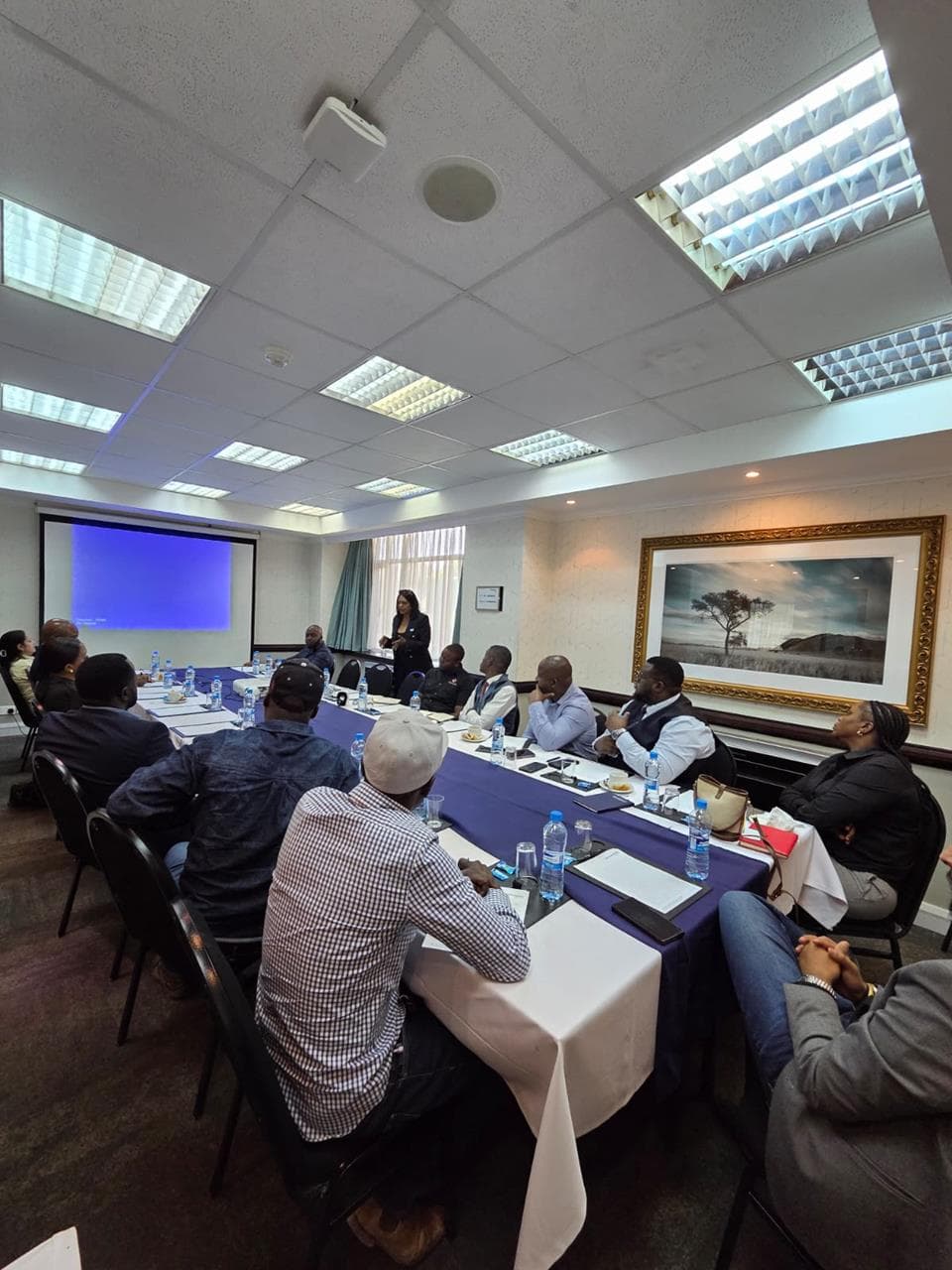
Momentum behind the 2026 exhibition has been supported by the Automechanika Africa Connect roadshow programme, which recently engaged automotive associations, parts distributors and commercial fleet operators in Zambia and Zimbabwe.
The initiative is aimed at encouraging greater cross-border collaboration, strengthening regional supply chains and highlighting the commercial benefits available to businesses throughout the Southern African Development Community. The roadshows have also reinforced the importance of industry collaboration as automotive markets become increasingly connected.
Dehn noted that discussions during the Africa Connect events highlighted a growing need for aftermarket businesses to modernise their operations and expand their capabilities in response to rapid global developments in vehicle technology.
Technology Trends Shaping the Future Aftermarket
During presentations at the Lusaka and Harare roadshows, Greg Cress, Principal Director for Automotive and eMobility at Accenture South Africa, outlined five major trends expected to shape the automotive industry in 2026 and beyond.
His presentation explored advancements in battery technologies, autonomous mobility, digital infrastructure, artificial intelligence and software-driven manufacturing. These developments are expected to create new opportunities for African companies across both manufacturing and aftermarket sectors.
Cress highlighted the potential role of African raw material producers in supporting global battery production, while also identifying opportunities for regional manufacturing centres to develop electric mobility solutions tailored to sectors such as freight transport, mining and public transportation.
Advancements in battery energy density and charging technologies, including solid-state batteries and ultra-fast charging systems, were identified as important developments that could improve electric vehicle adoption across the continent. Such technologies have the potential to address concerns around driving range and charging infrastructure, particularly in regions where long-distance travel remains commonplace.
Emerging technologies such as Advanced Driver Assistance Systems (ADAS) and Vehicle-to-Everything (V2X) connectivity are also expected to influence future aftermarket demand. As vehicle systems become more sophisticated, businesses may experience increased demand for specialised diagnostic tools, software support, calibration services and approved replacement components.
Business Opportunities Under One Roof
Feedback gathered during the regional roadshows indicates that automotive businesses across Southern Africa are prioritising supplier diversification, improved diagnostic capabilities and access to high-quality replacement parts from trusted global manufacturers.
According to Dehn, Automechanika Johannesburg 2026 has been designed to bring these opportunities together by combining industry thought leadership, market insights and direct access to hundreds of exhibitors representing multiple automotive sectors.
With visitor registration now open, industry professionals are encouraged to secure their attendance and take advantage of the networking, sourcing and business development opportunities on offer throughout the event.
Trade visitors can register for free tickets online, while companies interested in exhibiting can obtain further information through the event organisers via the official Automechanika Johannesburg website.