The ASEAN New Car Assessment Program represents a collaborative effort to improve vehicle safety across Southeast Asia's diverse automotive markets. Covering countries including Malaysia, Thailand, Indonesia, Philippines, Singapore, and Vietnam, ASEAN NCAP addresses unique regional challenges whilst promoting global safety standards.
Regional Collaboration
ASEAN NCAP operates through partnerships between regional governments, automotive industries, and safety organisations. The Malaysian Institute of Road Safety Research (MIROS) provides technical leadership, whilst member countries contribute resources and expertise to create a unified regional approach to vehicle safety assessment.
This collaborative model reflects ASEAN's broader integration philosophy, demonstrating how regional cooperation can drive meaningful safety improvements across diverse economic and regulatory environments. Market-Appropriate Testing
ASEAN NCAP employs testing protocols designed for regional market conditions, including climate considerations, road infrastructure variations, and diverse vehicle usage patterns. The programme recognises that effective safety assessment must reflect actual operating conditions rather than standardised laboratory environments alone.
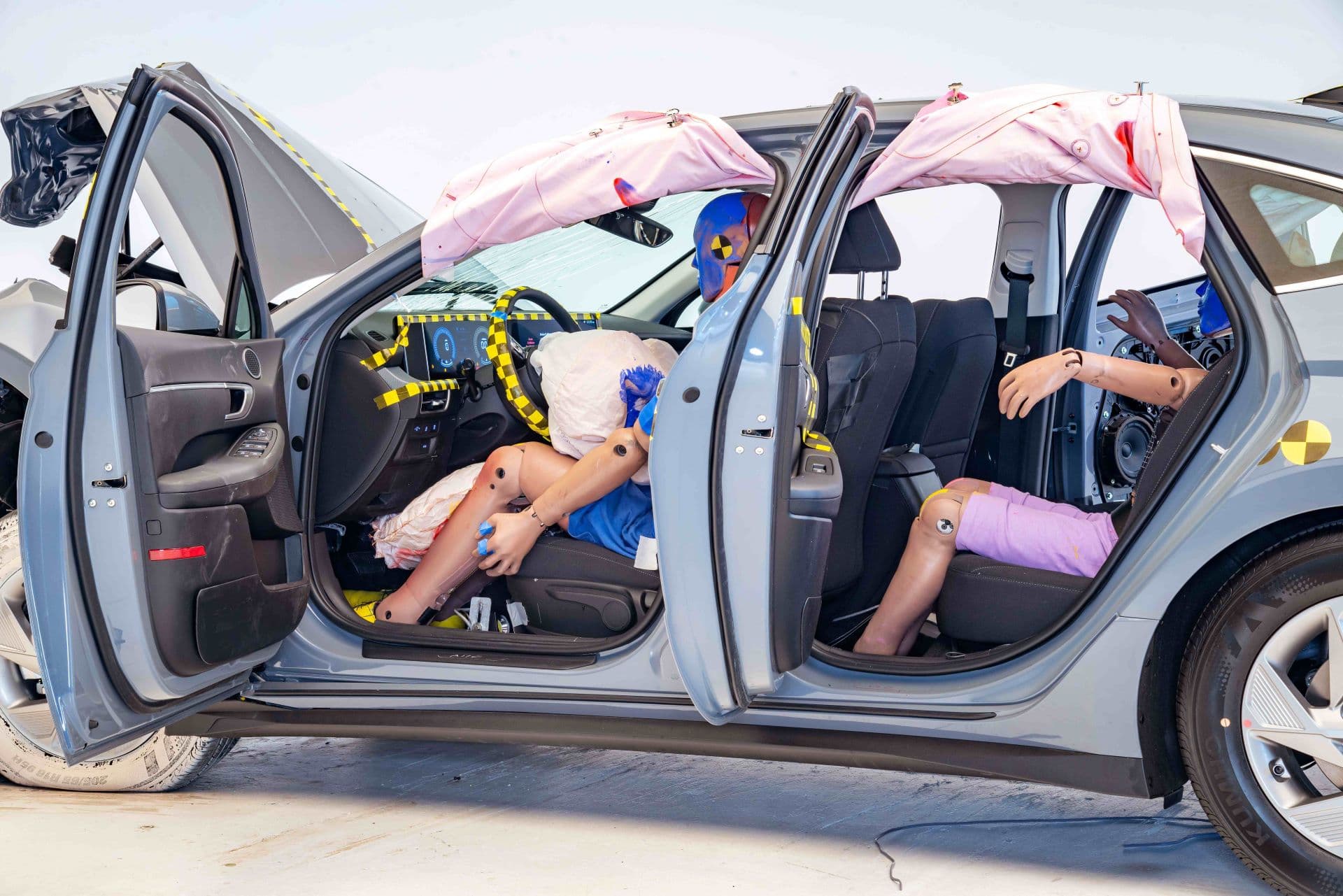
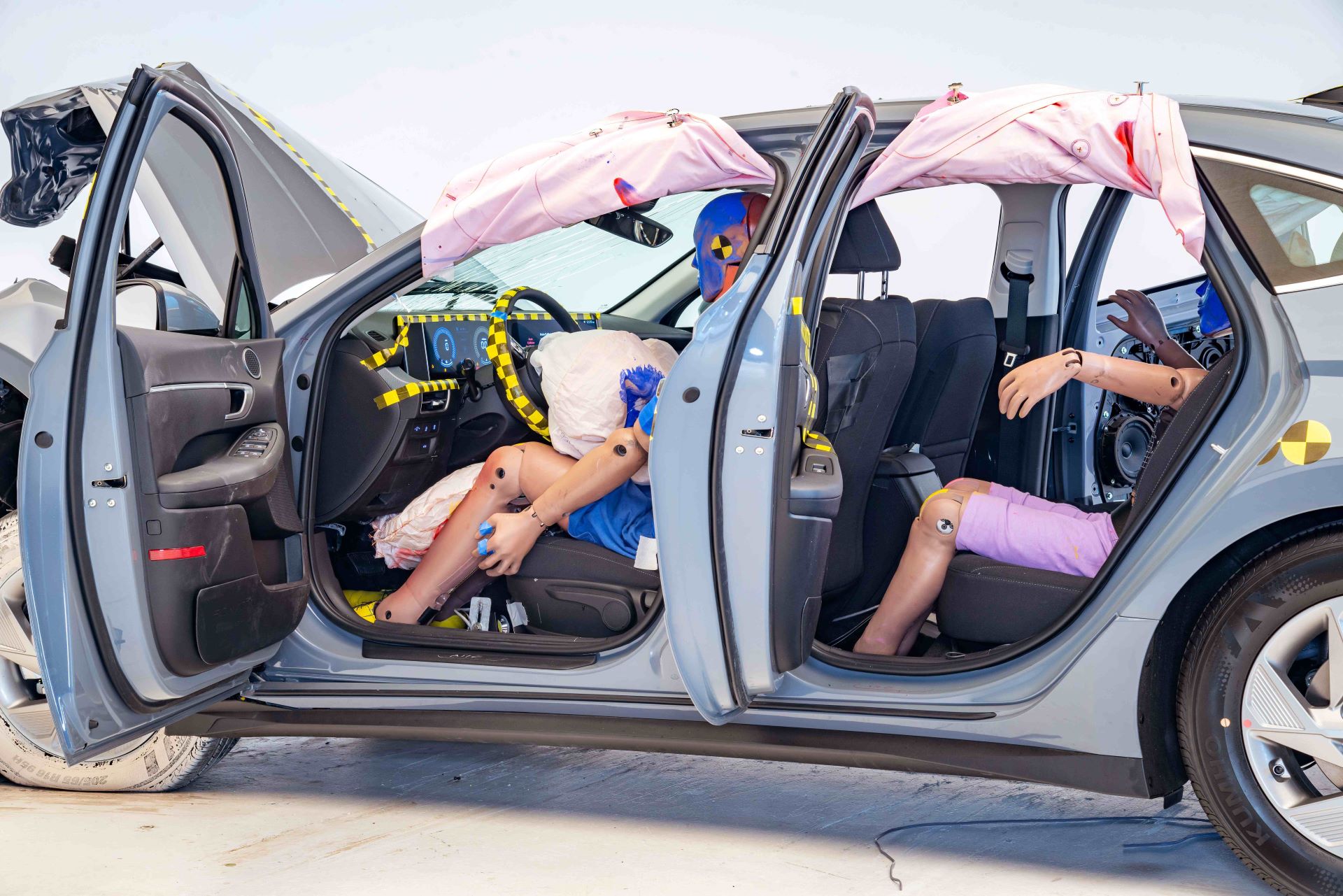
Testing includes frontal offset impacts at 64km/h, side impacts at 50km/h, and comprehensive pedestrian protection assessments adapted for Southeast Asian urban environments and traffic patterns.
Emerging Market Focus
The programme addresses specific challenges facing emerging automotive markets, including balancing safety improvements with affordability constraints. ASEAN NCAP recognises that sustainable safety progress requires economically viable solutions that manufacturers can implement without pricing vehicles beyond consumer reach.
This approach provides valuable insights for other emerging markets, including South Africa, where similar economic considerations influence automotive safety adoption.
Rating Evolution
ASEAN NCAP has progressively enhanced its rating criteria, moving from basic crashworthiness assessment to comprehensive evaluation including child occupant protection, pedestrian safety, and active safety systems. This evolution reflects regional market maturation and increasing consumer safety awareness.
Manufacturer Engagement
The programme works closely with manufacturers to improve vehicle safety performance, often providing technical guidance and development support. This collaborative approach has yielded significant safety improvements across regional vehicle offerings.
Major manufacturers operating in Southeast Asia, including Toyota, Honda, Nissan, and various European brands, have responded positively to ASEAN NCAP requirements, implementing safety upgrades across their regional model ranges. Technology Transfer
ASEAN NCAP facilitates technology transfer from developed markets to emerging ones, helping accelerate safety feature adoption across the region. This process benefits global safety development by creating larger markets for advanced safety technologies.
South African Relevance
Several manufacturers active in Southeast Asia also operate in South Africa, making ASEAN NCAP developments relevant for local repair professionals. Understanding regional safety initiatives helps anticipate vehicle technology trends and repair requirements.
Capacity Building
The programme emphasises capacity building across member countries, developing local expertise in crash testing, safety assessment, and vehicle evaluation. This focus on knowledge transfer creates sustainable regional safety improvement capabilities.
Future Trajectory
ASEAN NCAP continues expanding its scope, with planned enhancements addressing electric vehicle safety, autonomous driving systems, and improved pedestrian protection. These developments position the programme as a significant influence on regional automotive safety evolution.
Understanding ASEAN NCAP helps South African repair professionals appreciate regional approaches to automotive safety improvement and anticipate technology developments from manufacturers active in multiple emerging markets.