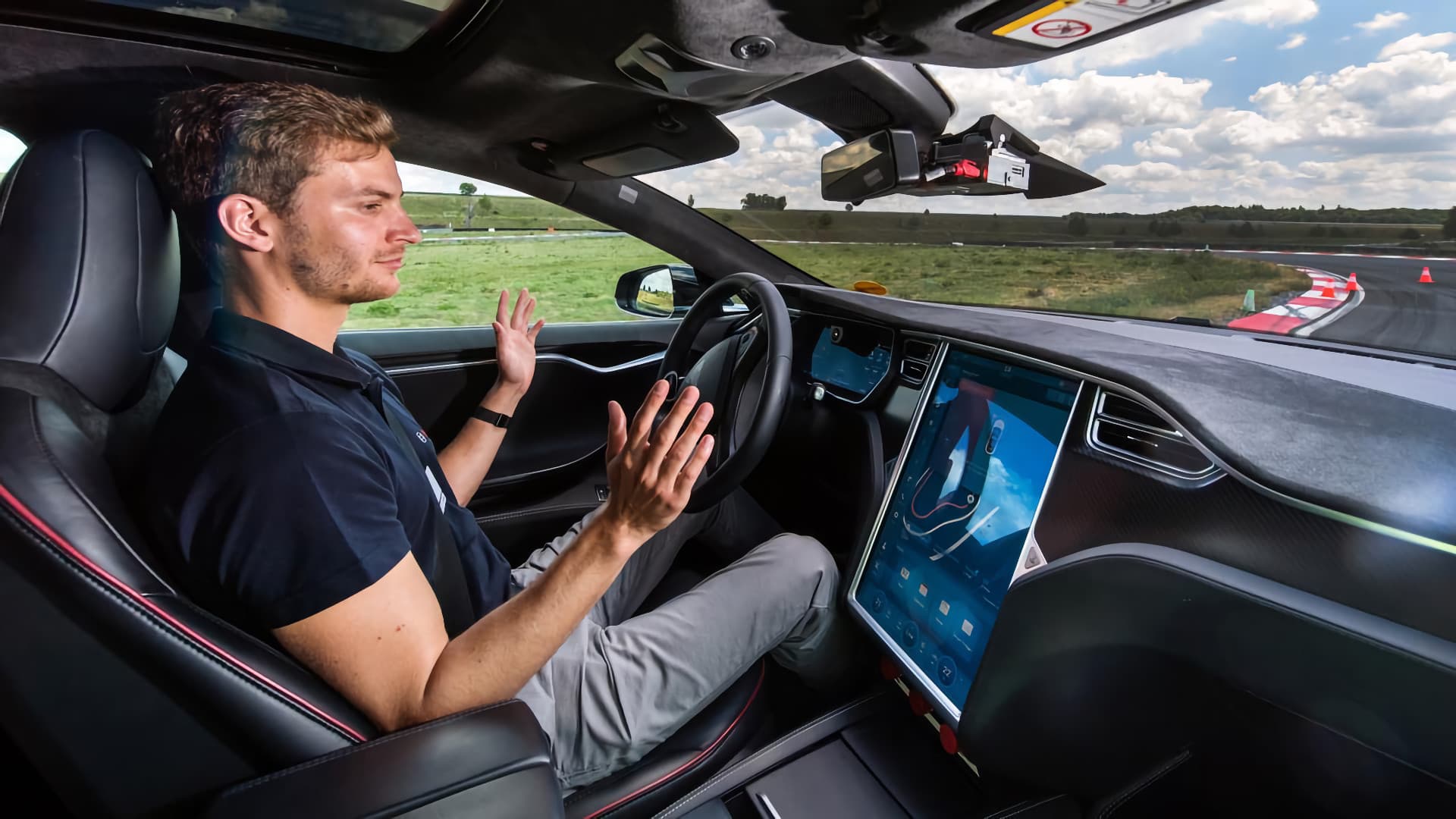
Real-world testing by US motorist organisation AAA has found ‘active driving assistance systems’ using a driver-facing camera are best at keeping motorists focused on the road, but the technology is not foolproof and a driver determined to cheat the system can defeat it. “The key to a safe active driving assistance system is effective driver monitoring that can’t be easily tricked,” said Greg Brannon, Director of AAA’s automotive engineering and industry relations. “Vehicle technology has the potential to improve roadway safety, but the last thing we want are ineffective features in the hands of uninformed or overconfident drivers.” AAA said since the introduction of active driving assistance systems, there have been numerous instances of drivers misusing the systems by watching videos, working, sleeping or climbing into the backseat. This behaviour can go undetected by the vehicle and, in some cases, result in deadly crashes. To prevent such activities, vehicles with this technology monitor drivers using either a camera-based system ‘watching’ their face, or a system measuring steering wheel movements. AAA test drove four popular makes and models in real-world conditions on a California highway to evaluate the effectiveness of these systems. Key research findings include: Camera-based systems alerted disengaged drivers 50 seconds sooner and were more persistent than those detecting steering wheel movement when the driver was looking down with their head facing forward and hands off the wheel. Camera-based systems alerted disengaged drivers 51 seconds sooner compared to steering wheel movement when the driver was facing away from the road, looking at the centre console with hands off the wheel. On average, the per cent of time test drivers were engaged was approximately five times greater for camera-based systems than for steering wheel systems. Steering wheel monitoring required only minimal input to prevent system alerts, allowing up to 5.65 continuous minutes of distraction at 65 mph (105 km/h), equivalent to more than six miles (10 kilometres) of disengaged driving. In comparison, camera-based systems allowed 2.25 minutes of distraction during the 10-minute test drive. After issuing multiple warnings for inattentive driving, both systems failed to disable the semi-autonomous features and force the driver to take the wheel and pay attention. “Regardless of brand names or marketing claims, vehicles available for purchase today are not capable of driving themselves,” Brannon said. “Driver monitoring systems are a good first step to preventing deadly crashes, but they are not foolproof.” AAA recommends vehicle manufacturers opt for camera-based driver monitoring systems over steering wheel monitoring. Nonetheless, more refinement is required to prevent driver distraction and misuse. According to AAA, vehicles equipped with camera-based driver monitoring systems were significantly better at preventing each type of tested distraction scenario by issuing alerts faster and more persistently than a steering wheel system, no matter the external lighting conditions. On average, the percentage of time test drivers were forced to focus on driving was five times greater when facing a camera than with steering wheel input. Both driver monitoring types were prone to being intentionally fooled, although those using a camera were harder to trick. AAA test drivers attempted to stymie monitoring system alerts with periodic head or eye movement and manipulating the steering wheel. Each driver was given the discretion to develop their cheat strategy, but external devices, tools, or aids were not used.