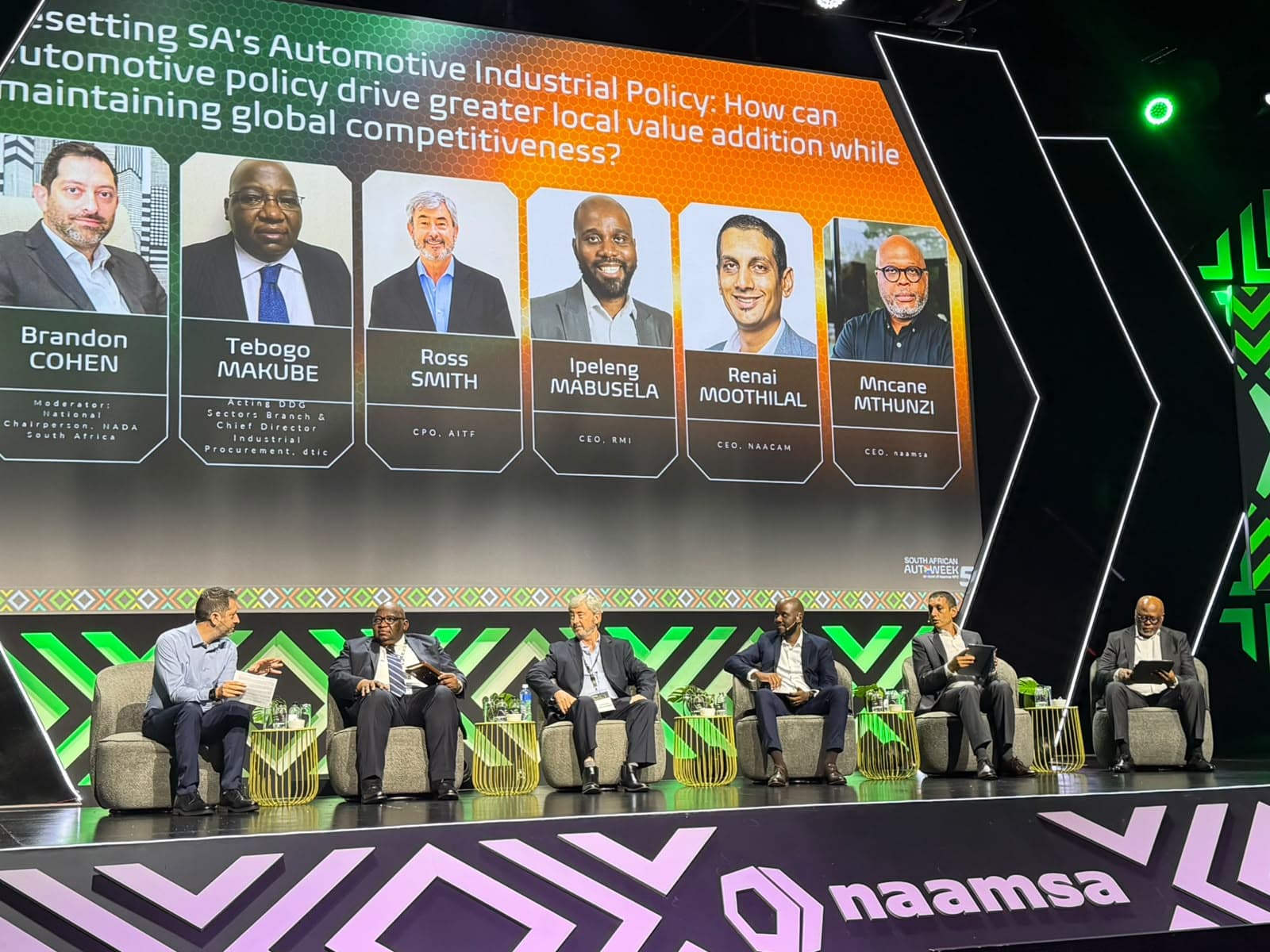
South Africa's automotive sector converged in Durban this week for South African Auto Week 2026, where industry leaders, policymakers and investors examined the factors that will influence the sector's long-term growth and competitiveness.
Hosted at the Durban International Convention Centre, the four-day event is being held under the theme Transforming Tomorrow Today. Resetting Policy. Advancing the Energy Transition. Driving Investment & Inclusive Growth. The programme has brought together vehicle manufacturers, suppliers, government departments and key industry stakeholders to explore solutions related to transformation, industrial development, investment and emerging mobility technologies.
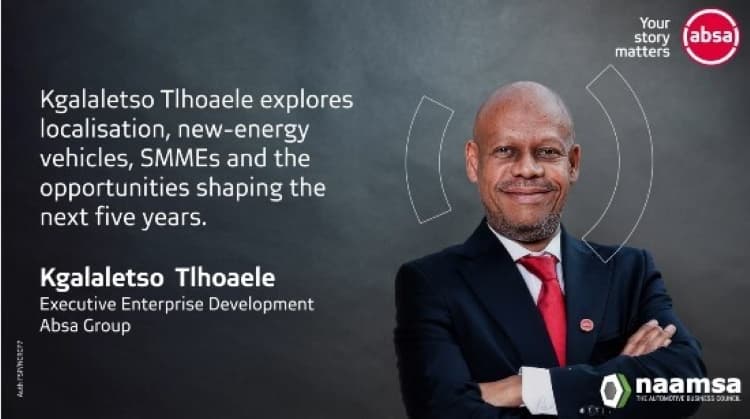
One of the major announcements came during Transformation Day when Absa Group committed R13.5 million to naamsa's Dreams Academy. The funding will be provided over three years through the Absa Group CSI Trust and is expected to benefit 600 students through skills development initiatives aimed at preparing young South Africans for opportunities within the new energy vehicle sector.
The investment highlights the growing importance of workforce development as the global automotive industry accelerates its transition towards electrification and advanced mobility technologies. Industry stakeholders increasingly view skills development as a critical requirement if South Africa is to remain competitive in a rapidly evolving market.
Investment and Competitiveness Under the Spotlight
Investment attraction and industrial competitiveness have also featured prominently throughout the event. Discussions at the Africa Auto Indaba and exhibition have focused on strengthening the foundations needed to support future growth, including improvements in infrastructure, logistics efficiency and energy security.
Government representatives from the Department of Trade, Industry and Competition, alongside leaders from naamsa and the KwaZulu-Natal provincial government, have participated in discussions on measures to deepen transformation and broaden supplier participation throughout the automotive value chain.
The event has also provided a platform for the introduction of South Africa's Automotive Policy Roadmap, together with updates on the current state of the industry and the country's readiness to accommodate future mobility technologies. These discussions are expected to help shape future policy decisions while enhancing South Africa's position within the global automotive economy.
Electric Vehicle Opportunities Gather Momentum
Another topic attracting considerable attention is the proposed Joylong Automotive Manufacturing project in the Free State. Announced by President Cyril Ramaphosa as part of the Free State Catalytic Investment and Industrialisation Programme, the development represents an estimated R5.5 billion investment and is expected to manufacture up to 8 000 electric vehicles annually.
The project is anticipated to create approximately 1 500 direct jobs over a five-year period, further supporting South Africa's ambitions to participate more actively in the global electric vehicle market.
Collaboration for Future Growth
President Ramaphosa is scheduled to address delegates during Presidential Day, while the programme concludes with technical visits to several leading manufacturing and logistics facilities, including Toyota, MAN, Mahindra and Transnet National Ports Authority operations.
As conversations continue throughout SA Auto Week 2026, the message emerging from delegates is clear: the future success of South Africa's automotive industry will depend on its ability to attract investment, develop skills, embrace new technologies and create an environment that supports inclusive and sustainable growth.