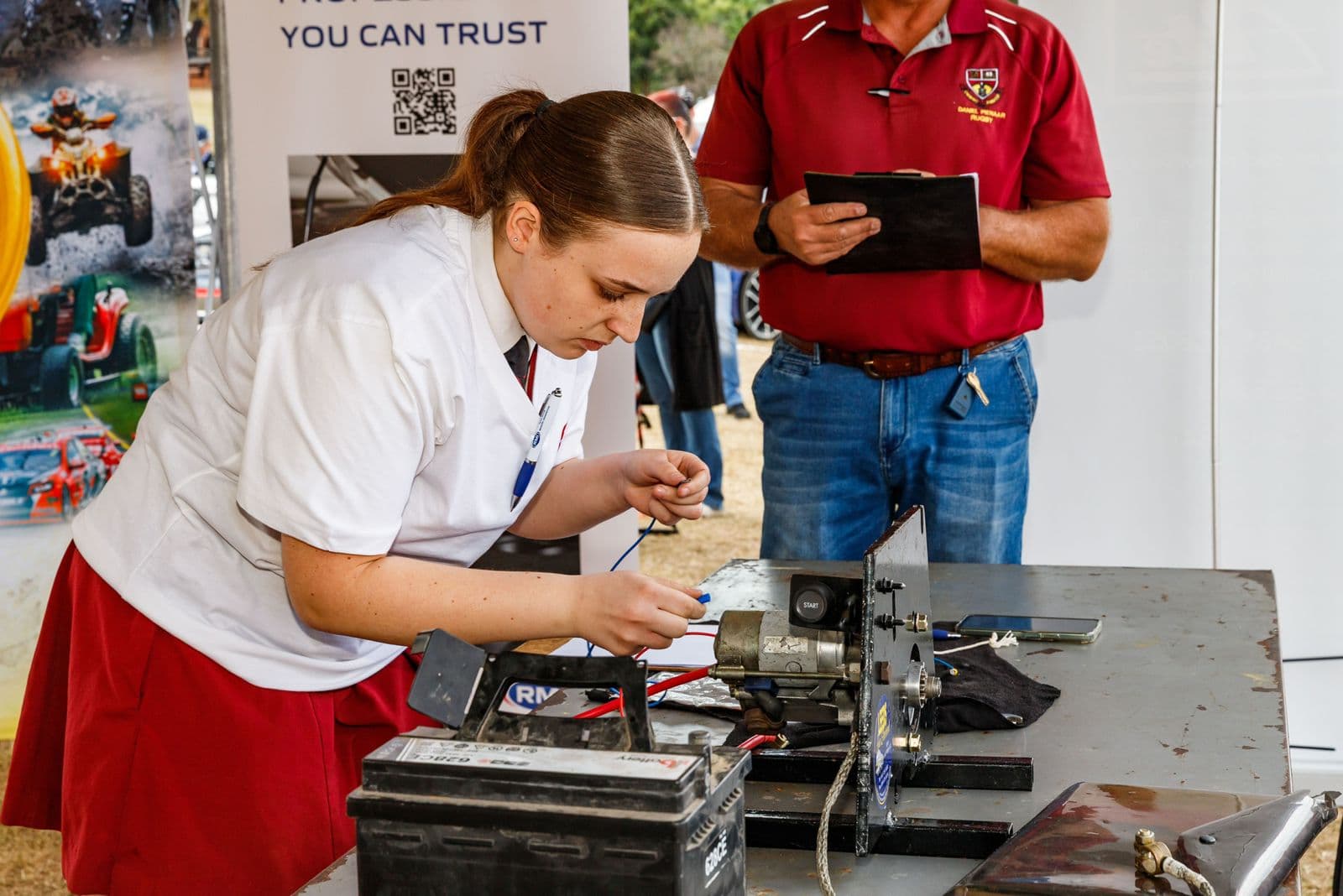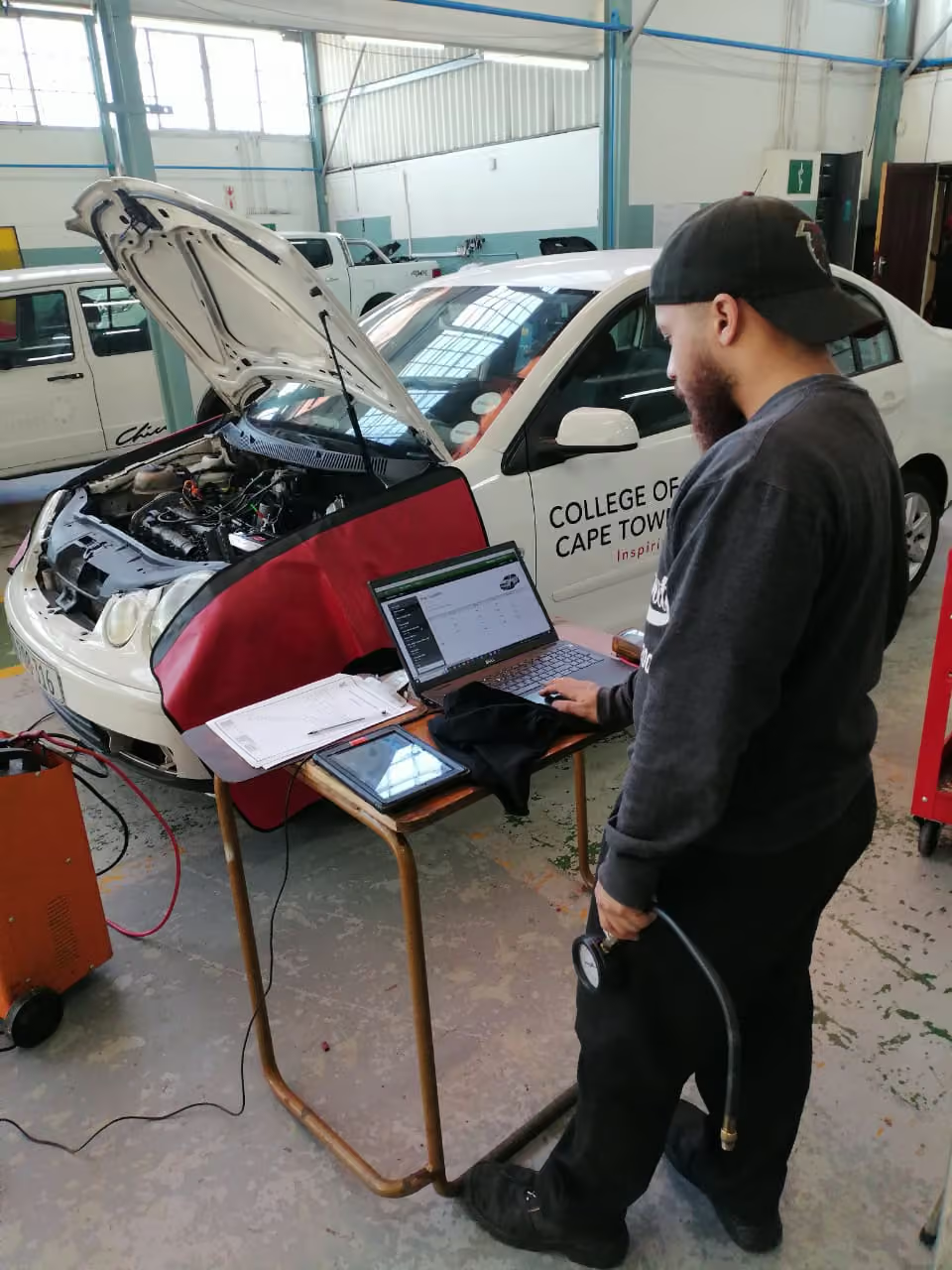
TVET Month serves as an important reminder that South Africa’s future workforce cannot be developed through classroom learning alone. In the automotive sector, a strong pipeline of skilled artisans is essential to support vehicle safety, business productivity and the industry’s ability to adapt to rapidly evolving technologies.
The sector is currently experiencing a significant skills challenge. While apprenticeship programmes are attracting more young people than ever before, the number of qualified artisans has steadily declined. Analysis of Motor Industry Bargaining Council occupational data by the Retail Motor Industry Organisation (RMI) shows that qualified artisans across fourteen automotive trades decreased from 15,936 in 2014 to just 11,646 by May 2026. This represents a decline of nearly 27%. During the same period, registered apprentices grew from 1,764 to 4,254.
These figures reveal both encouraging progress and a need for urgent action. Although apprenticeship opportunities are expanding, increasing enrolment alone will not solve the industry's long-term skills shortage. Success depends on ensuring that apprentices complete their training, qualify successfully, remain active in the automotive sector and eventually become mentors who can guide future generations.
Achieving this outcome requires strong collaboration across the skills development ecosystem. TVET colleges play a critical role by providing learners with theoretical knowledge and practical foundations. Employers contribute valuable workplace exposure where apprentices develop professional discipline, customer service skills, problem-solving abilities and real-world technical competence. Industry associations, government institutions, training authorities and business partners must work together to ensure that learners can successfully progress from education to employment.
Changing public perceptions around vocational education is equally important. Technical and vocational training has often been viewed as a secondary option rather than a respected professional pathway. In reality, TVET colleges offer one of the most direct routes to stable employment, entrepreneurship and lifelong career development. Within the automotive industry, vocational education opens doors to increasingly specialised and technologically advanced careers.
Today's vehicles are far more complex than the mechanical systems of previous decades. Modern cars integrate sophisticated electronics, sensors, software platforms, advanced diagnostics, safety technologies and growing numbers of alternative-energy components. As a result, employers require technicians who possess not only mechanical expertise but also analytical thinking, digital literacy, communication skills, teamwork capabilities and a commitment to continuous learning.
Mentorship remains a vital component of artisan development. Experienced technicians pass on more than technical knowledge. They demonstrate workplace professionalism, safety awareness, attention to detail and pride in workmanship. A shrinking pool of qualified artisans therefore creates a secondary challenge: fewer experienced professionals are available to mentor and support apprentices during their development journey.
For businesses, investing in apprenticeships should be viewed as a long-term strategy rather than a short-term staffing solution. Employers that train and develop young talent are actively strengthening their future workforce while contributing to the sustainability of the broader automotive aftermarket. Apprentices, meanwhile, gain access to meaningful careers that provide financial security, opportunities for advancement and potential pathways into entrepreneurship.
South Africa’s automotive aftermarket remains an important contributor to employment, skills development and economic growth. Its future competitiveness will depend on maintaining a reliable supply of skilled and adaptable artisans. TVET Month therefore highlights a clear priority for the industry: rebuilding and strengthening the artisan pipeline through shared commitment and collaboration. When educational institutions, employers and industry partners work together effectively, they do more than produce qualified workers. They create lasting careers, improve road safety, strengthen businesses and contribute to a more resilient and prosperous economy.