As South Africa seeks to expand localisation and strengthen domestic industrial capacity, the Retail Motor Industry Organisation (RMI) is encouraging policymakers to look beyond vehicle assembly plants and manufacturing facilities to a sector it believes offers substantial untapped potential: the automotive aftermarket.
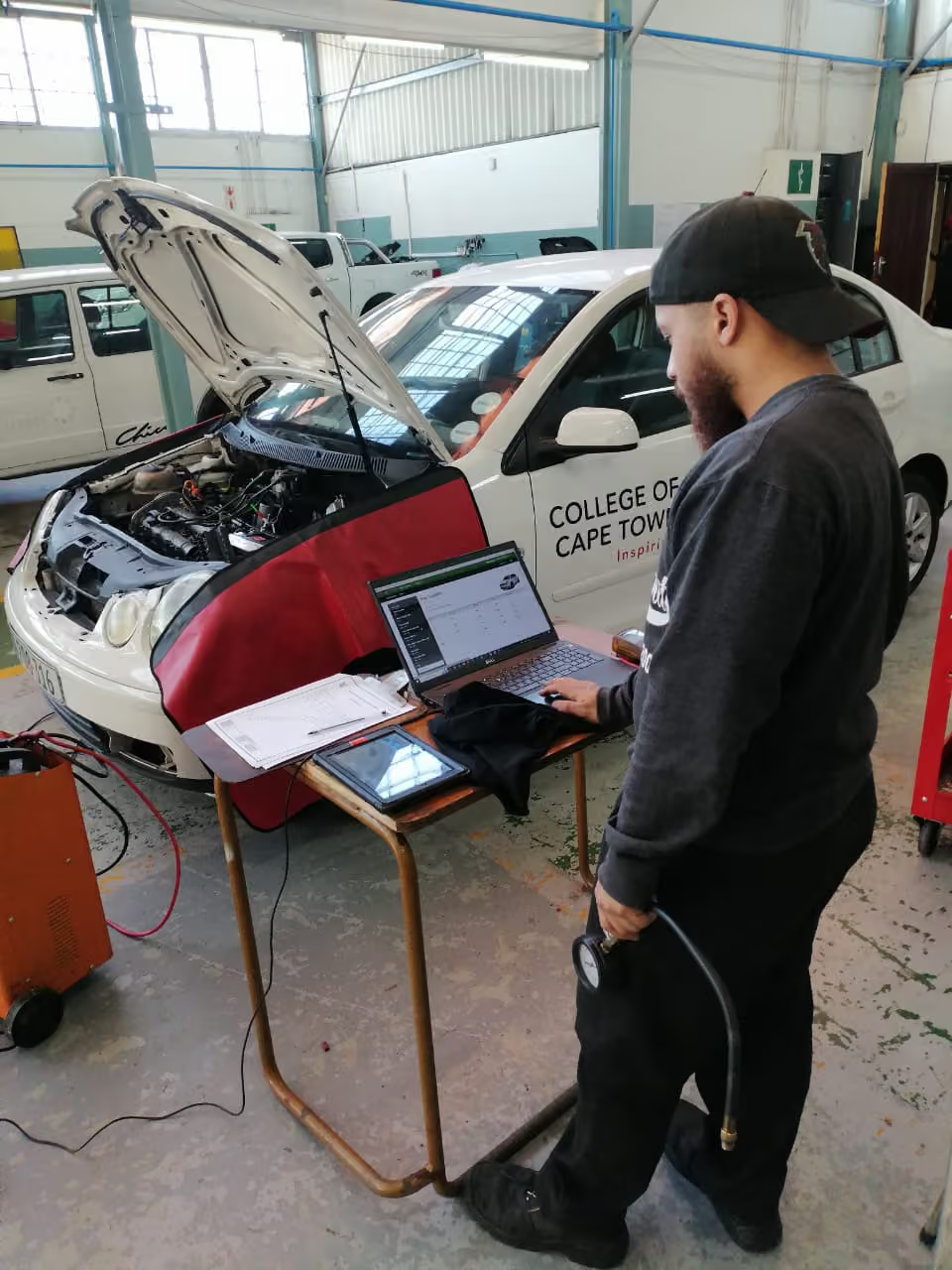
While discussions around localisation often focus on attracting investment into vehicle production, the RMI argues that a much broader ecosystem already exists through the thousands of businesses involved in servicing, repairing and supporting vehicles throughout their operational lifecycles.
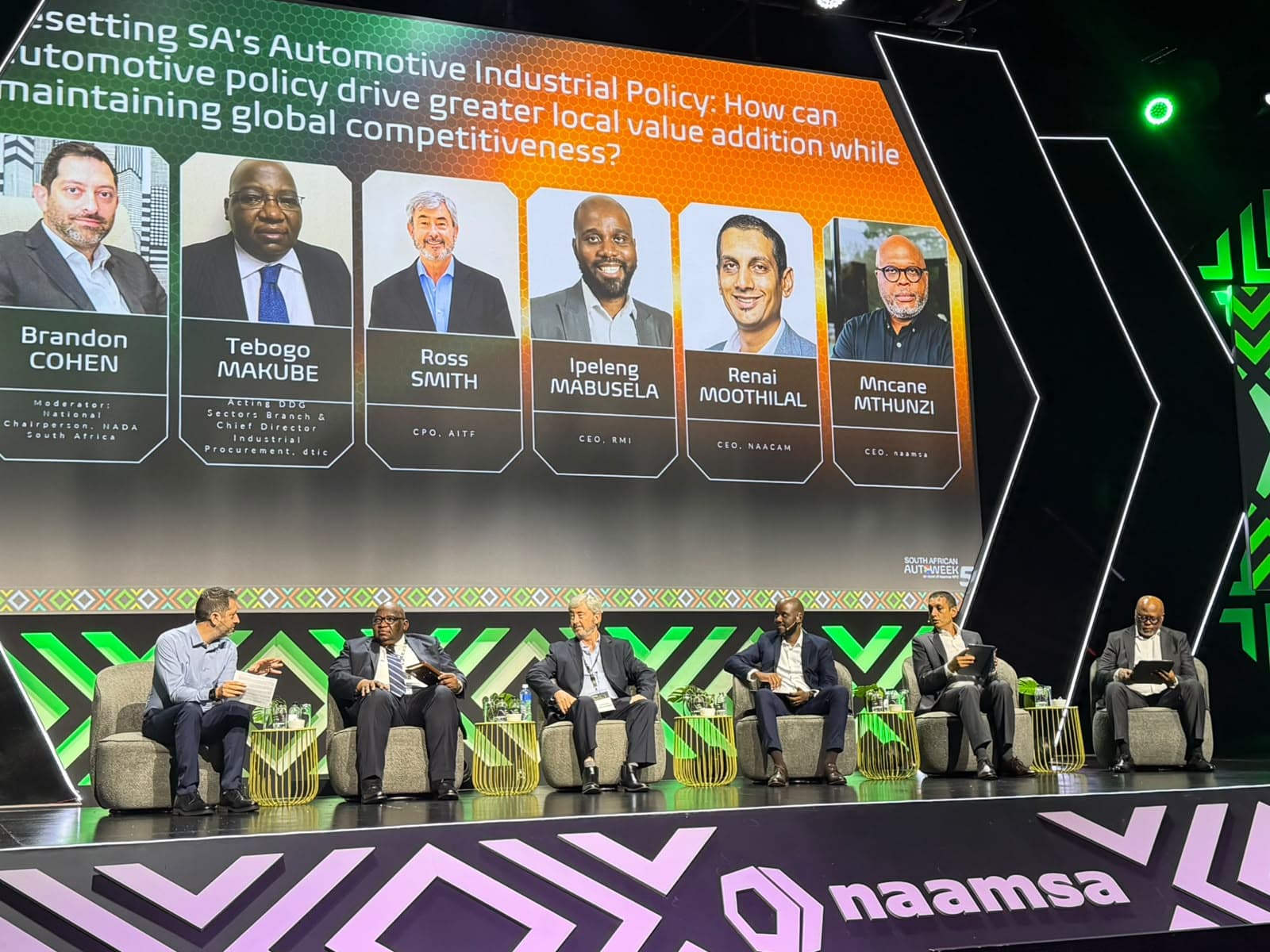
Speaking at SA Auto Week 2026, RMI CEO Ipeleng Mabusela called for the automotive aftermarket to be formally recognised as a critical component of South Africa's localisation strategy and broader economic growth agenda.
According to Mabusela, localisation efforts should encompass the entire automotive value chain, including the businesses, skills and supply networks that support vehicles long after they have left the production line.
A Major Contributor to the Economy
The automotive aftermarket already plays a significant role in South Africa's economy. According to the RMI, the sector contributes more than R202 billion annually, supports over 310 000 jobs and includes more than 23 000 businesses operating across the country.
A large proportion of these businesses are small and medium-sized enterprises, highlighting the sector's importance in promoting entrepreneurship, economic participation and employment creation.
Industry leaders believe that every vehicle on South African roads creates ongoing demand for maintenance, repairs, replacement parts and specialised services, generating opportunities that extend well beyond the initial sale of the vehicle.
Opportunities for Local Manufacturing
The RMI sees significant potential to expand local manufacturing capabilities by increasing domestic production of commonly used automotive components.
Products such as batteries, tyres, automotive glass and other replacement parts could present opportunities for localisation, reducing reliance on imported products while supporting domestic industries and job creation.
The organisation also notes that the growing adoption of electric and alternative-energy vehicles may create new opportunities for component manufacturing, specialised services and advanced technical skills development in emerging technology sectors.
Localisation Must Remain Commercially Sustainable
While supportive of localisation initiatives, the RMI emphasises that any strategy must be commercially viable and aligned with market realities.
Mabusela has cautioned that successful localisation requires careful consideration of market demand, production capacity, competitiveness and the quality standards necessary to ensure consumer safety and confidence.
Industry stakeholders maintain that localisation efforts should strengthen businesses and create employment opportunities without placing existing jobs or commercial sustainability at risk.
The Value of the Circular Economy
The organisation also believes the circular economy offers considerable potential for the automotive aftermarket.
Activities such as remanufacturing, rebuilding and reconditioning vehicle components can help retain economic value within South Africa while reducing dependency on imported replacement parts. These practices can also improve affordability for consumers while contributing to environmental sustainability objectives.
By extending the usable life of components and recovering value from existing materials, the aftermarket can support both economic and environmental goals simultaneously.
Creating Inclusive Economic Opportunities
Beyond increasing local production, the RMI believes localisation should broaden participation throughout the automotive value chain.
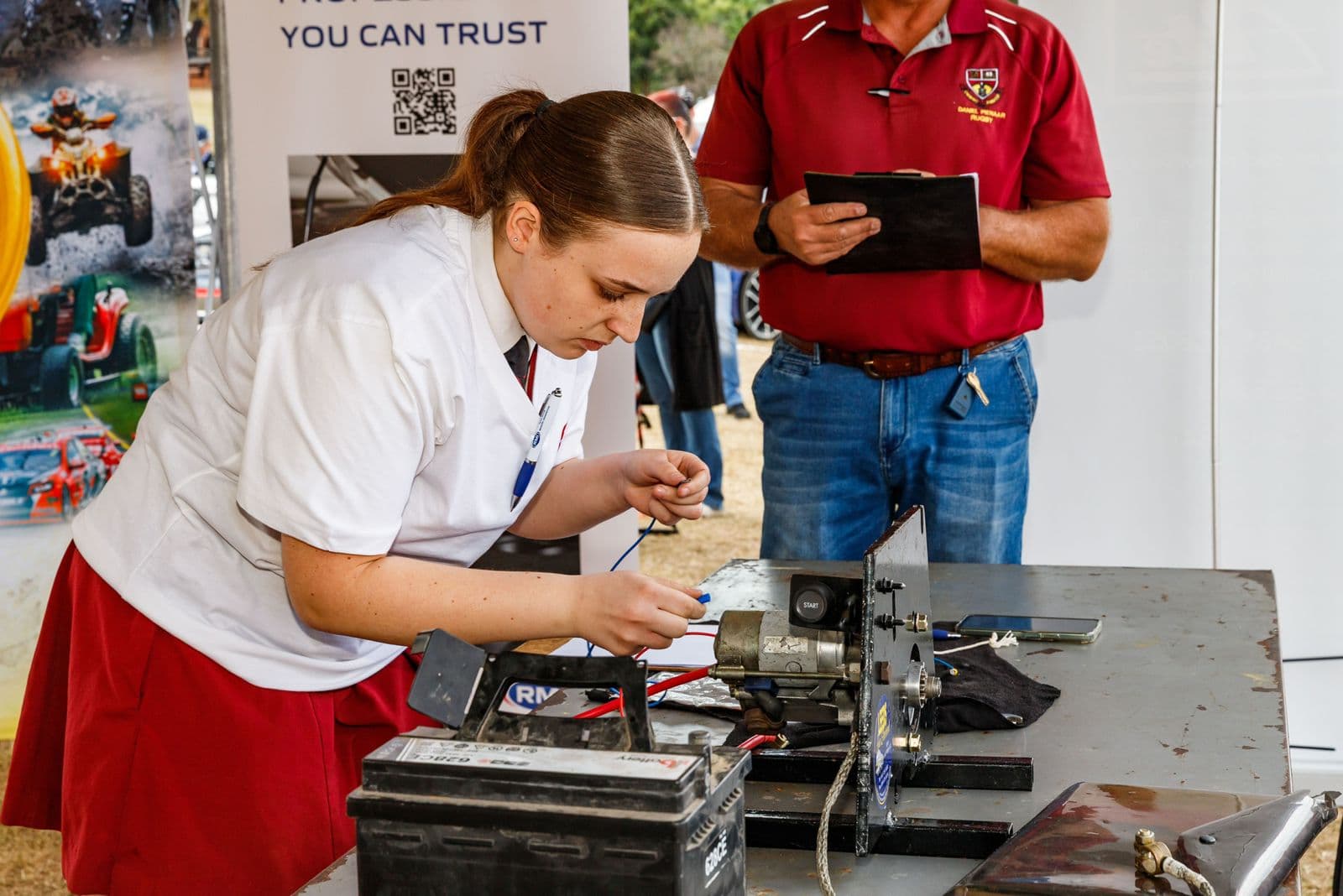
The organisation sees opportunities to strengthen involvement from young entrepreneurs, women-owned businesses and historically disadvantaged enterprises through targeted development initiatives and skills programmes.
Achieving these objectives will require closer collaboration between industry, government and educational institutions to ensure that future workforce requirements are met and that training pathways remain aligned with evolving industry needs.
A Broader View of Localisation
The RMI stresses that recognising the importance of the automotive aftermarket does not diminish the value of vehicle manufacturing. Instead, it broadens the conversation to include all sectors that contribute to the automotive economy.
For industry leaders, successful localisation is determined not only by where products are manufactured, but also by who participates in the value chain, where skills are developed and whether resulting economic activity creates sustainable employment and long-term business growth.
By incorporating the automotive aftermarket into national localisation strategies, South Africa has an opportunity to unlock additional investment, strengthen domestic capabilities and create a more inclusive and resilient automotive sector.