Rose Foundation’s oil recycling mission
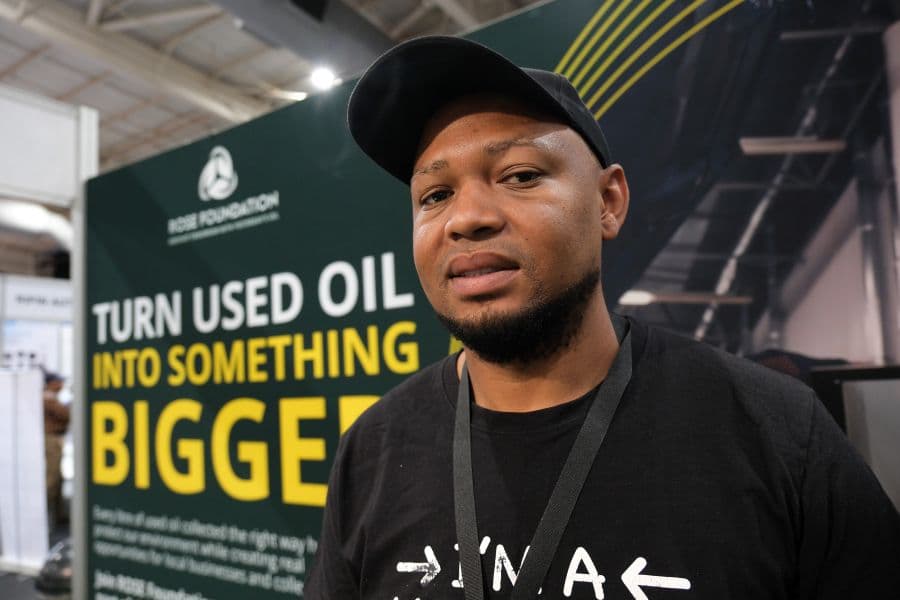
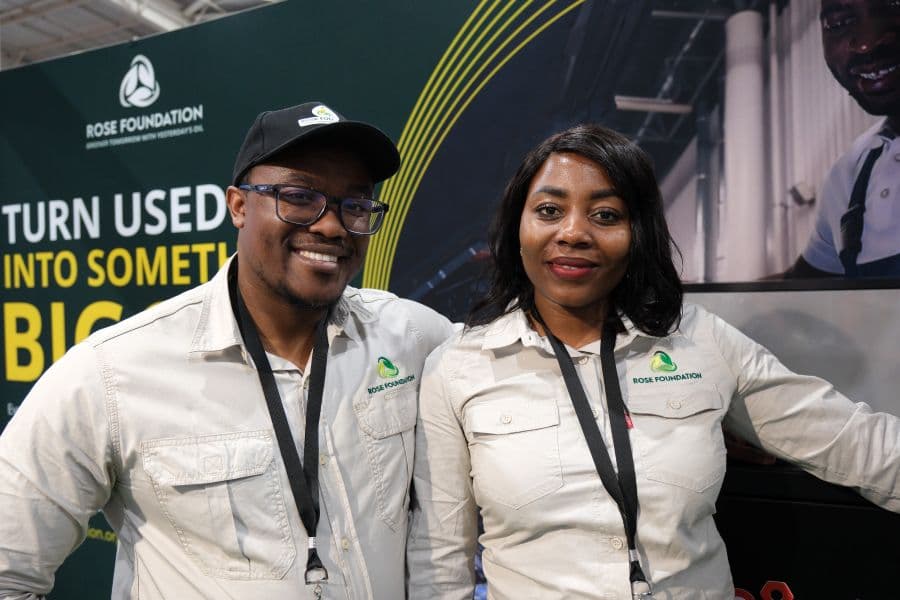
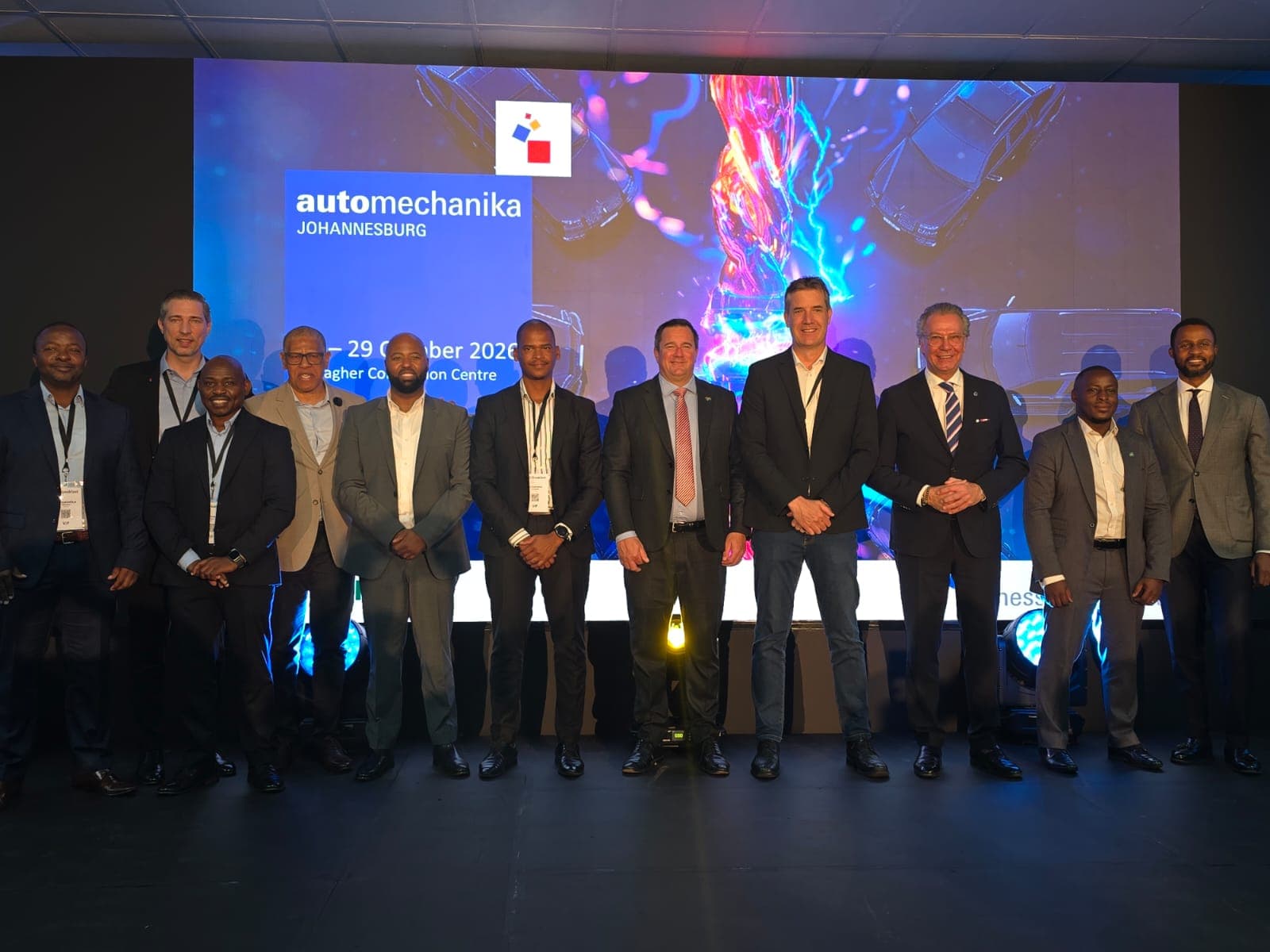
“A greener tomorrow with yesterday’s oil” is the vision guiding the Rose Foundation as it works to prevent used lubricating oil from polluting South Africa’s environment. The organisation was among the exhibitors at Automechanika Johannesburg 2026, where sustainability and environmental responsibility featured prominently in discussions about the future of the automotive sector.
The Rose Foundation was established in 1994 after government support for the used oil re-refining industry was withdrawn. Since then, the organisation has focused on ensuring that used lubricating oil is collected, managed and recycled responsibly to prevent environmental contamination.
Once lubricating oil reaches the end of its useful life, it becomes a hazardous waste product that can contaminate soil and water if not disposed of correctly. The foundation coordinates a network of collectors who recover used oil and transport it for recycling, helping to reduce the environmental damage associated with improper disposal.
Sustainability gains momentum
Speaking at Automechanika Johannesburg, Rose Foundation representative Mahlodi Mahlase explained that sustainability is becoming an increasingly important focus within the automotive industry.
“We are trying to incorporate sustainability. We need to see it greener,” she said.
The exhibition provided valuable opportunities for the organisation to engage with potential partners and businesses involved across the recycling value chain. The foundation described its participation at the event as “nothing but a beautiful experience”, noting significant growth over the past year and an expanding reach across the country.
Education and awareness
Beyond collecting and recycling used oil, the Rose Foundation places a strong emphasis on education and awareness. The organisation works with mechanics, taxi operators and informal automotive workers to highlight the environmental and health risks associated with improper oil handling and disposal.
Through workshops, training initiatives and awareness campaigns at taxi ranks and within automotive communities, mechanics are taught how to manage used oil safely, prevent contamination and protect both themselves and the environment.
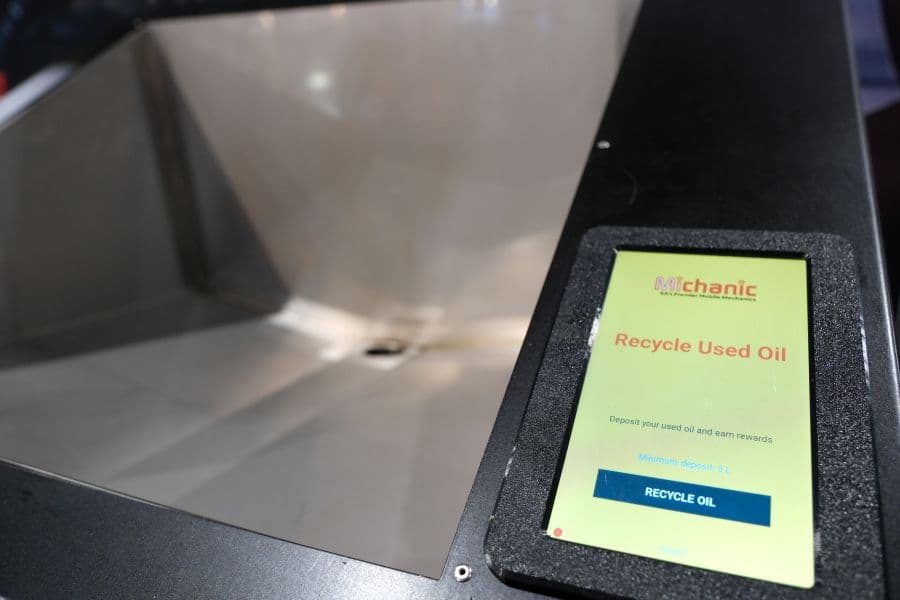
The foundation also collaborates with Michanic, an organisation that provides disposal facilities where mechanics can safely deposit used oil. In return, participants are rewarded with airtime incentives, creating an accessible and practical solution for responsible waste management.
Protecting a vital resource
Responsible oil disposal is particularly important in South Africa, where access to clean water remains a significant challenge. According to Mahlase, even a single drop of used oil can contaminate large quantities of water due to its hazardous nature.
“As human beings, we really need the environment; the environment doesn’t need us,” she said.
This reality underscores the importance of effective collection and recycling systems that prevent used oil from entering rivers, streams, groundwater and other sensitive ecosystems.
Creating value from waste
When used oil is collected and processed correctly, it can be repurposed into industrial fuels and heating products rather than being discarded. This creates economic opportunities for collectors while simultaneously reducing waste and lowering carbon emissions.
By extending the useful life of resources through recycling, the process contributes to a more circular economy and supports broader sustainability goals within the automotive industry.
A commitment to sustainability
For the Rose Foundation, responsible used-oil management is about far more than environmental compliance. It is a commitment to protecting natural resources, safeguarding public health and preserving access to clean water for future generations.
As sustainability becomes an increasingly important part of the automotive sector, initiatives such as those led by the Rose Foundation demonstrate how environmental responsibility and economic opportunity can work together to create a cleaner and healthier future.