Repair trade urged to build skills for newer vehicles as replacement parts imports hit R107.5 billion
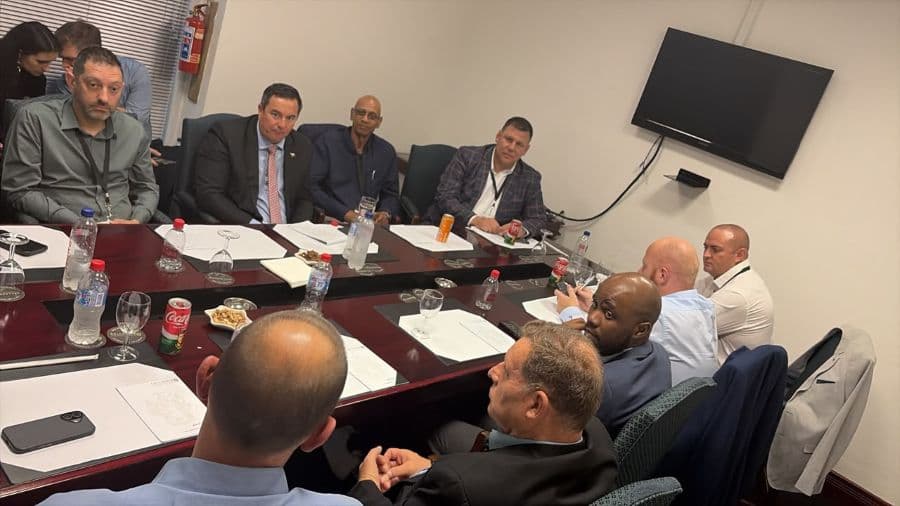
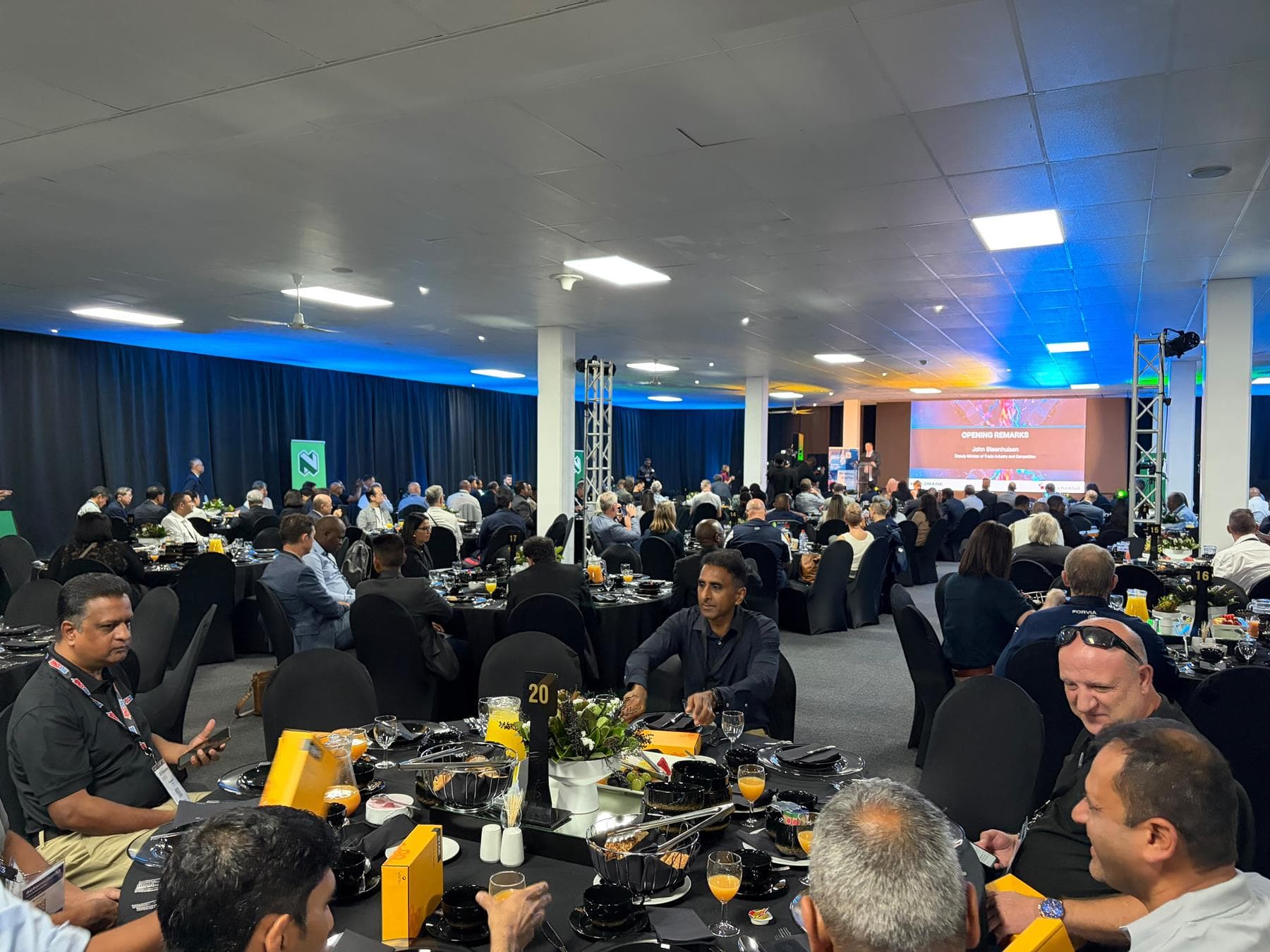
Township mechanics and small businesses took centre stage at the Automechanika Johannesburg CEO Breakfast, where industry leaders, government representatives and development partners discussed the future of the automotive aftermarket. Speakers agreed that skills development, access to finance and stronger local manufacturing will be critical to the sector’s long-term success.
Held on the opening day of the international trade fair, the breakfast focused on coordinated action to drive localisation, investment, skills development and expanding opportunities through African trade.
Mechanics and the vehicles they service
Programme Director Victor Radebe stressed the importance of supporting the country’s estimated 13 million vehicles and the thousands of small businesses that maintain them. He highlighted Automechanika Johannesburg’s long-standing support for township mechanics and called for ongoing training to ensure they can service increasingly advanced vehicle technologies.
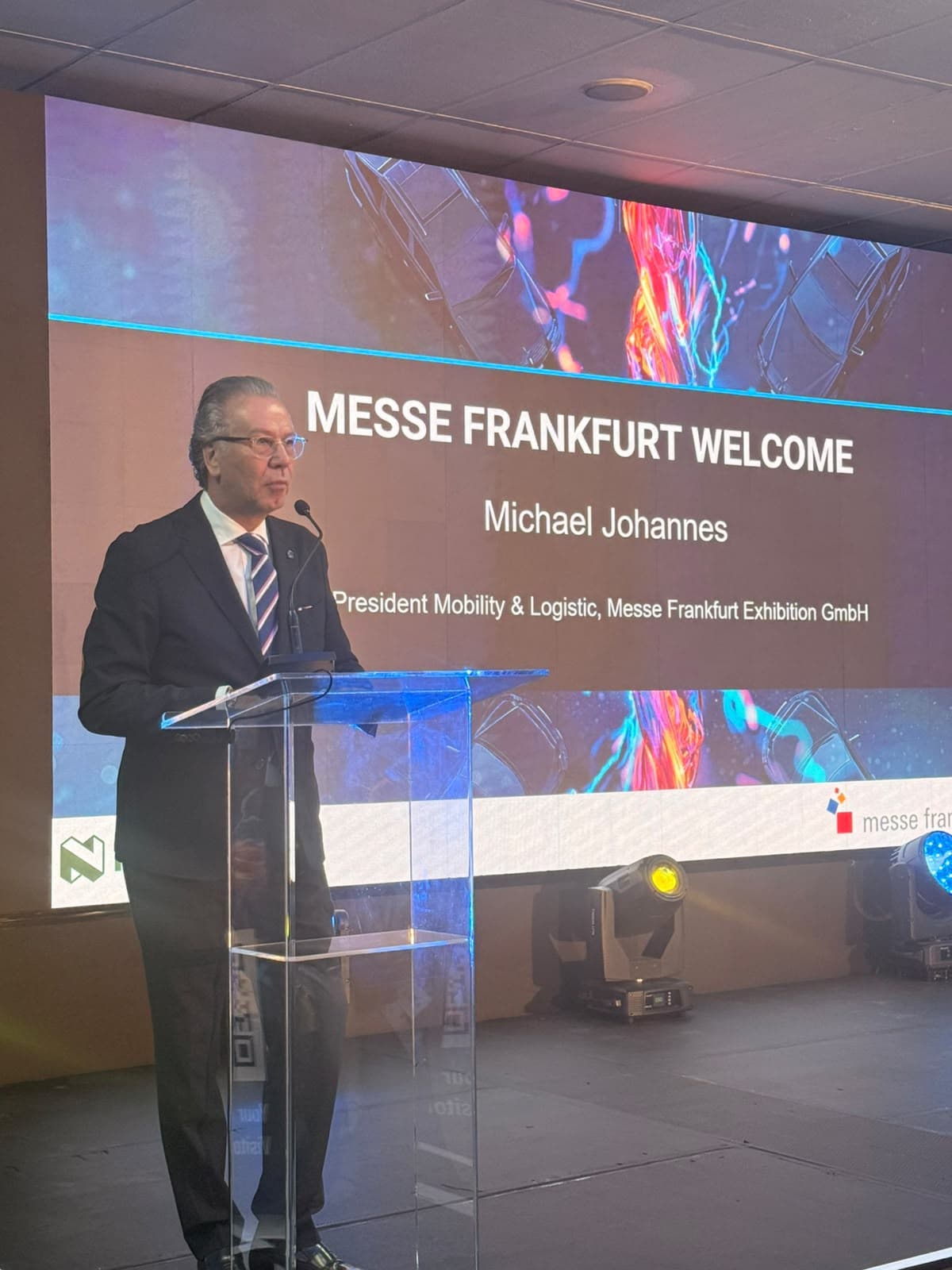
Michael Johannes, Vice President: Mobility and Logistics at Messe Frankfurt Exhibition GmbH, pointed to a global vehicle parc that is both growing and ageing. He emphasised the importance of education, collaboration and affordable mobility in supporting the aftermarket sector.
“Automechanika stands for innovation, sustainability, but also for transformation and education,” Johannes said.
Siyabonga Mthembu, Partner at BDO, presented research highlighting shifts in global vehicle production, the growing influence of Chinese automotive brands and the challenges posed by South Africa’s ageing vehicle fleet. He identified infrastructure constraints and key priorities including sourcing, inventory management, affordability, productivity and skills development.
“We produce more but we’re seeing less and less profitability,” Mthembu noted.
Parts, standards and local value creation
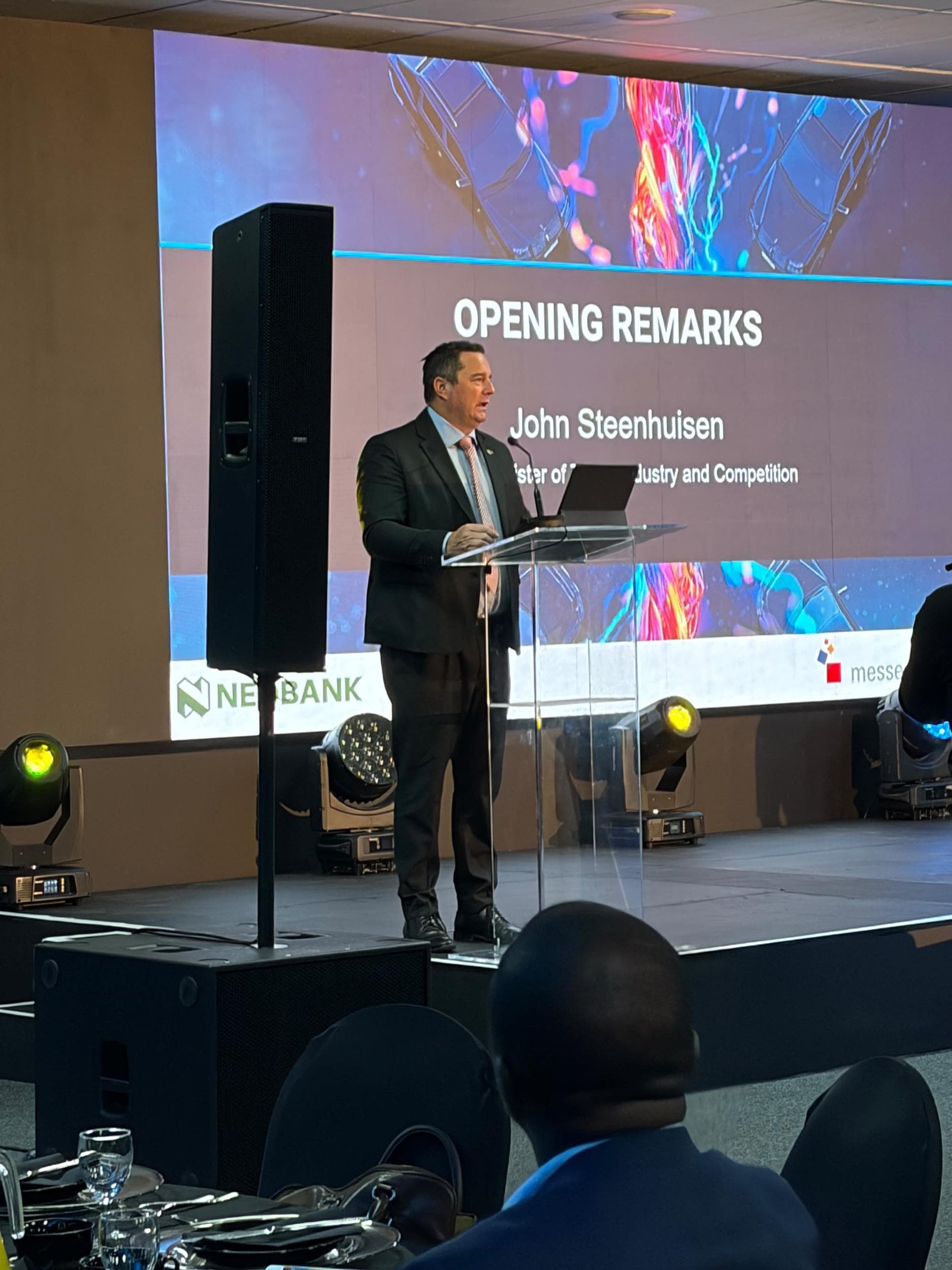
Deputy Minister of Trade, Industry and Competition John Steenhuisen described the automotive aftermarket as a crucial driver of localisation, regional exports, road safety and circular economy initiatives. He revealed that South Africa imported replacement vehicle parts worth R107.5 billion during 2025, highlighting opportunities to retain more value within the domestic economy.
“Localisation must extend beyond the factory gate,” Steenhuisen said, urging businesses to invest in technical capability alongside technology.
Duncan Mutengwe, General Manager Automotive at the National Regulator for Compulsory Specifications (NRCS), outlined the organisation’s role in vehicle approvals, replacement component authorisations and market surveillance. He stressed the importance of maintaining consistent standards for both imported and locally manufactured products.
“We also protect the environment,” Mutengwe added.
Supporting workshops and future growth
Sthembiso Dlamini, CEO of the Gauteng Growth and Development Agency, discussed investment facilitation programmes and the Automotive Industry Development Centre’s efforts to improve productivity, develop artisans and support township enterprises. He highlighted the Alexandra Automotive Hub as an example of targeted industry support and encouraged businesses to engage government on expansion plans and implementation challenges.
“We will measure success by the investments that have been implemented,” Dlamini said.
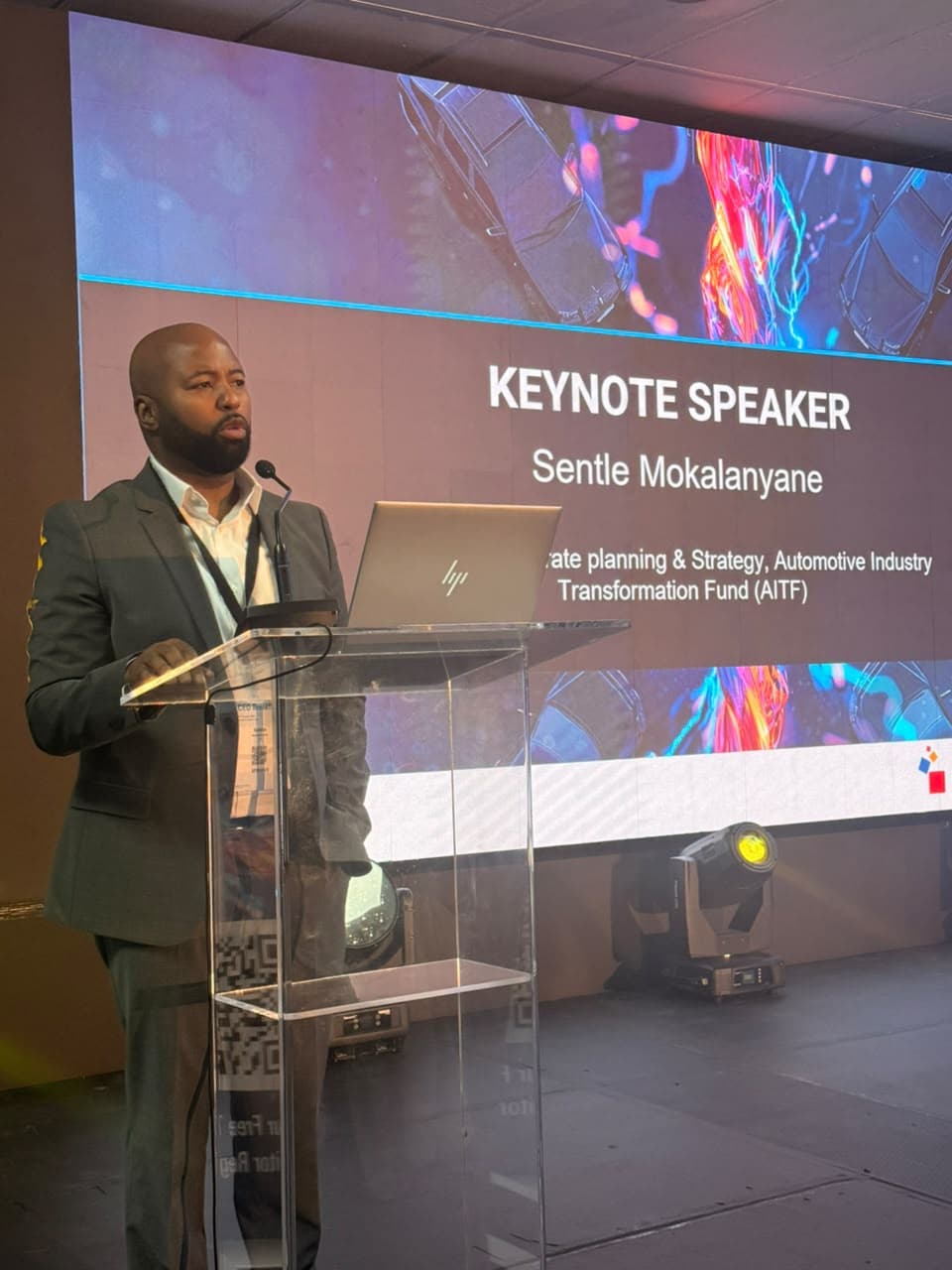
Sentle Mokalanyane, Head of Corporate Planning and Strategy at the Automotive Industry Transformation Fund, called for greater inclusion of the aftermarket sector in industrial planning and stronger participation by Black-owned businesses. He linked access to finance with the need for improved skills, equipment, certification and contract opportunities.
“We must build enterprises capable of participating meaningfully in the broader African automotive economy,” he stated.
Greg Cress, Principal Director Automotive and eMobility at Accenture South Africa, highlighted the growing role of digital technologies, robotics and artificial intelligence in the workplace, emphasising the need for continuous learning and human oversight.
“Humans need to do the thinking, the judgment, the accountability, and ask key questions around it,” he said.
Closing the session, Michael Dehn, Managing Director of Messe Frankfurt South Africa, announced plans for an Automotive Incubator Highway aimed at strengthening links between African markets and supply chains.
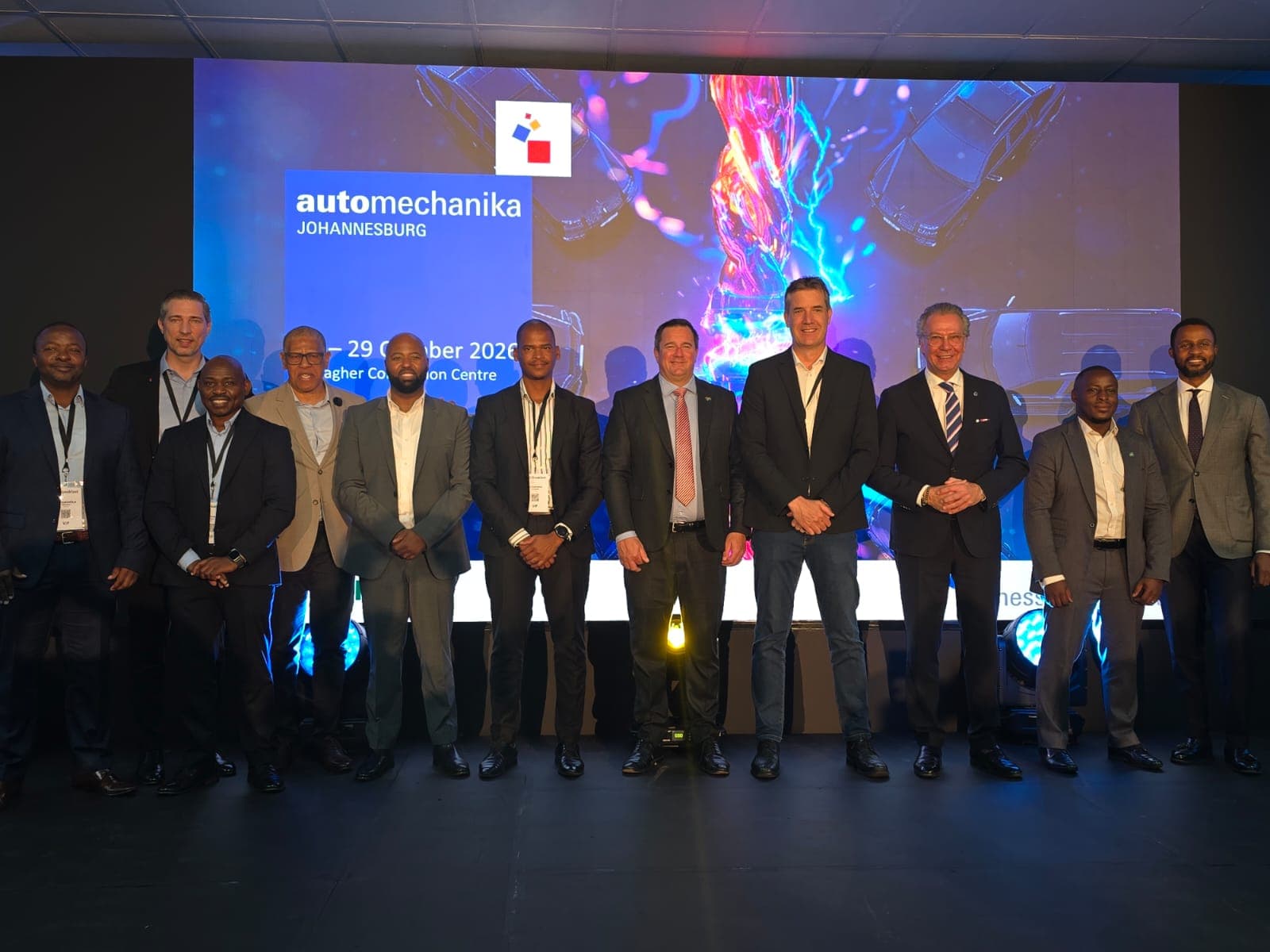
“We are going to intensify our connective initiatives,” Dehn said before leading a guided exhibition tour with the Deputy Minister and other guests.
Automechanika Johannesburg continues until 29 October at the Gallagher Convention Centre in Midrand, giving workshop owners, mechanics and industry stakeholders one final day to experience the exhibition and explore new business opportunities.