Aftermarket industry emerges as a key driver of South Africa’s automotive economy
South Africa’s automotive sector is often judged by the number of vehicles it manufactures and exports each year. However, increasing attention is now being directed toward the industry responsible for keeping those vehicles on the road long after they leave the production line.
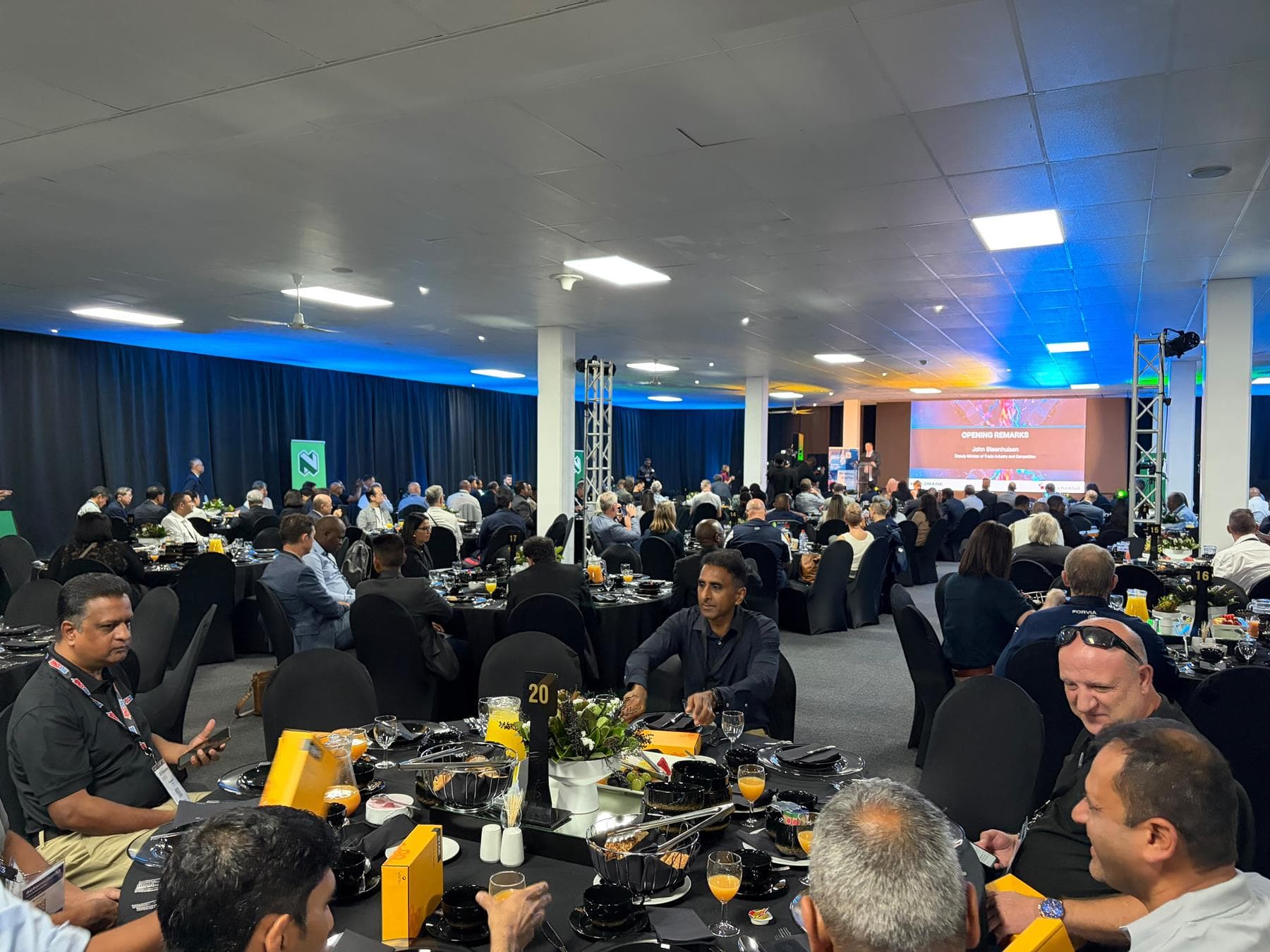
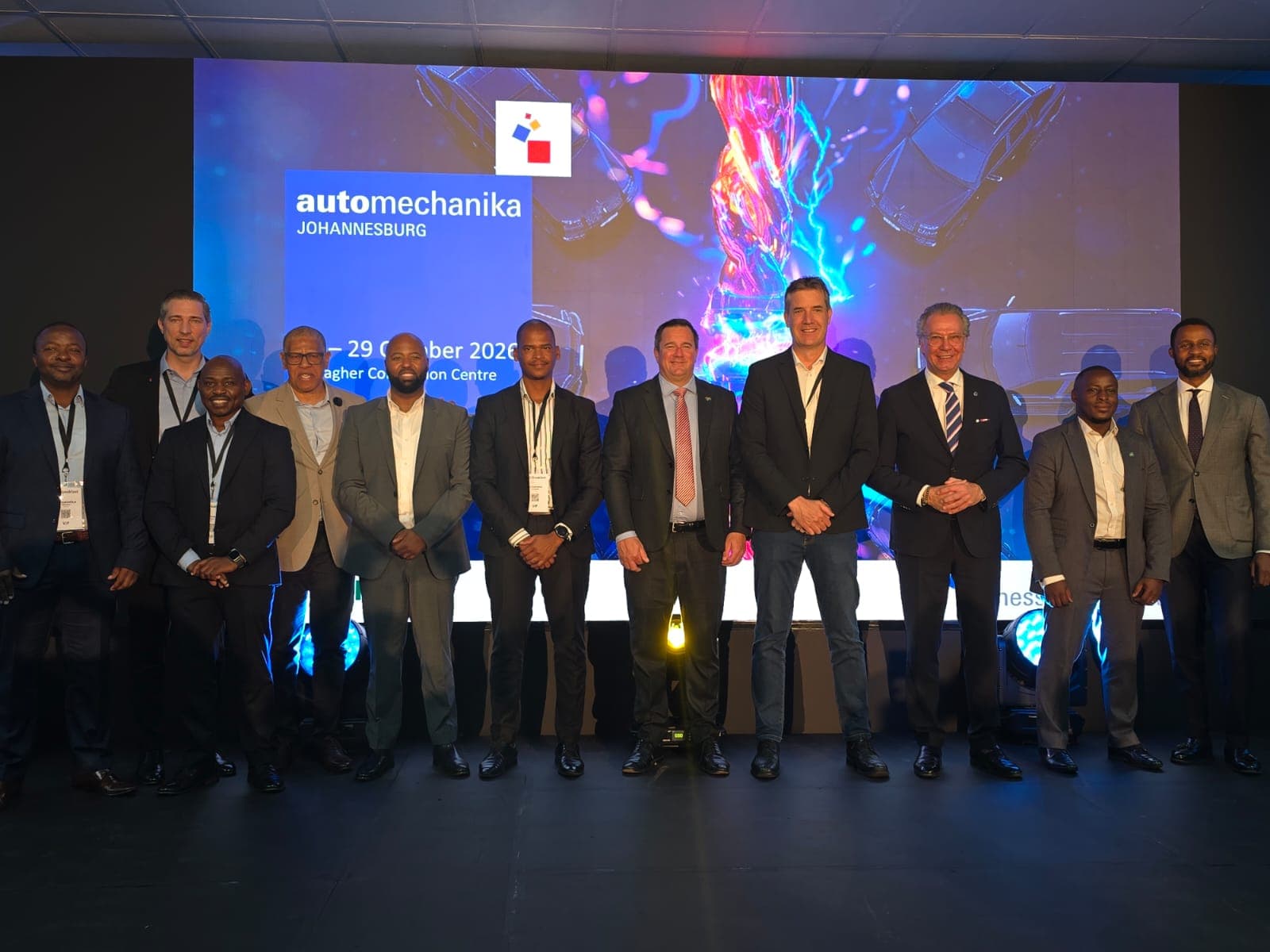
That reality was reinforced during the CEO Breakfast at Automechanika Johannesburg 2026, where Deputy Minister of Trade, Industry and Competition John Steenhuisen highlighted the vital role played by the automotive aftermarket in supporting economic growth, employment and mobility across the country.
The Retail Motor Industry Organisation (RMI) welcomed the recognition, noting that the automotive sector’s contribution extends well beyond vehicle manufacturing.
Understanding the automotive aftermarket
The automotive aftermarket encompasses businesses involved in maintaining, repairing, servicing and supporting vehicles after they have been sold. The sector includes workshops, parts distributors, tyre dealers, vehicle testing centres, panel beaters, fitment centres and a wide range of specialised service providers.
While manufacturing remains an important component of South Africa’s automotive landscape, the aftermarket ensures that millions of vehicles remain safe, roadworthy and operational throughout their lifespan.
Figures presented during the event showed that the aftermarket and retail automotive economy generated approximately R933 billion in trade during 2025. The sector contributed R202.6 billion to South Africa’s GDP and supported more than 310 000 jobs, accounting for around 70% of total employment across the broader automotive industry.
The industry’s footprint is equally significant, comprising more than 23 000 businesses nationwide. The majority fall within the small and medium-sized enterprise category, underlining the sector’s importance in supporting entrepreneurship and local economic development.
Growing localisation opportunities
One of the strongest themes emerging from the discussions was the need to increase localisation throughout South Africa’s automotive value chain.
Despite the scale of local aftermarket demand, South Africa imported approximately R107.5 billion worth of replacement parts during 2025. Industry stakeholders believe there is significant potential for local manufacturers to capture a larger share of this market by supplying components required for vehicle maintenance and repair.
Steenhuisen noted that approximately 76% of vehicles currently operating on South African roads are no longer covered by manufacturer warranty programmes. As a result, most maintenance and repair work now takes place within the independent aftermarket rather than dealership networks.
For local producers, this represents a substantial opportunity. Every vehicle requires ongoing maintenance, replacement components and periodic repairs throughout its lifecycle. With an estimated vehicle parc of around 13 million vehicles, the potential market significantly exceeds annual new vehicle sales volumes.
Stakeholders also emphasised the importance of ensuring that future policy frameworks recognise the economic value of businesses operating across the wider automotive ecosystem, not only those involved in vehicle assembly.
Expanding opportunities across Africa
The African Continental Free Trade Area (AfCFTA) was highlighted as a major opportunity for future growth.
Demand for affordable replacement parts, technical expertise, remanufactured products and vehicle maintenance services continues to grow across the continent. South Africa is well positioned to benefit from this demand thanks to its established engineering base, skilled workforce and mature distribution networks.
Historically, automotive exports have focused largely on complete vehicles and original equipment components. However, the aftermarket presents additional opportunities for South African companies to export replacement parts, specialised services, remanufactured products and technical expertise into neighbouring markets.
Addressing the skills challenge
Industry leaders agree that skills development remains essential if the aftermarket is to realise its full potential.
Modern vehicles are becoming increasingly sophisticated through the adoption of advanced driver-assistance systems, hybrid technologies, electric vehicle platforms and complex electronic diagnostic systems. These technologies require technicians to possess a broader and more advanced skillset than ever before.
Although apprenticeship participation has improved in recent years, the sector continues to face a shortage of qualified artisans. This skills gap is becoming increasingly significant as new vehicle technologies enter the market.
The RMI supports greater collaboration between government, training institutions, TVET colleges and industry organisations to strengthen apprenticeship programmes and workplace-based learning opportunities. Ongoing technical training will be critical to meeting future industry requirements.
Beyond supporting business growth, expanded skills development also creates valuable employment opportunities for young South Africans entering the workforce.
Supporting road safety and sustainability
The benefits of the aftermarket extend beyond economic contribution alone.
Vehicle maintenance, quality repairs and roadworthiness testing all play a critical role in improving road safety. Properly maintained vehicles are less likely to experience mechanical failures, helping to reduce risks for motorists and other road users.
The industry also contributes to sustainability through vehicle repair, refurbishment and remanufacturing activities that extend vehicle lifecycles. By keeping vehicles in service for longer, the aftermarket helps reduce waste, conserve resources and support circular economy principles.
As environmental regulations continue to evolve globally, effective vehicle maintenance and responsible end-of-life vehicle management are expected to become increasingly important.
Looking ahead
The automotive aftermarket already possesses many of the ingredients required for continued growth. The infrastructure is in place, the customer base is established and thousands of businesses are active throughout the sector.
The challenge now is to translate those strengths into greater localisation, stronger participation in African trade, improved skills development and sustained economic growth. If successful, the aftermarket could become one of the most important drivers of South Africa’s automotive future.