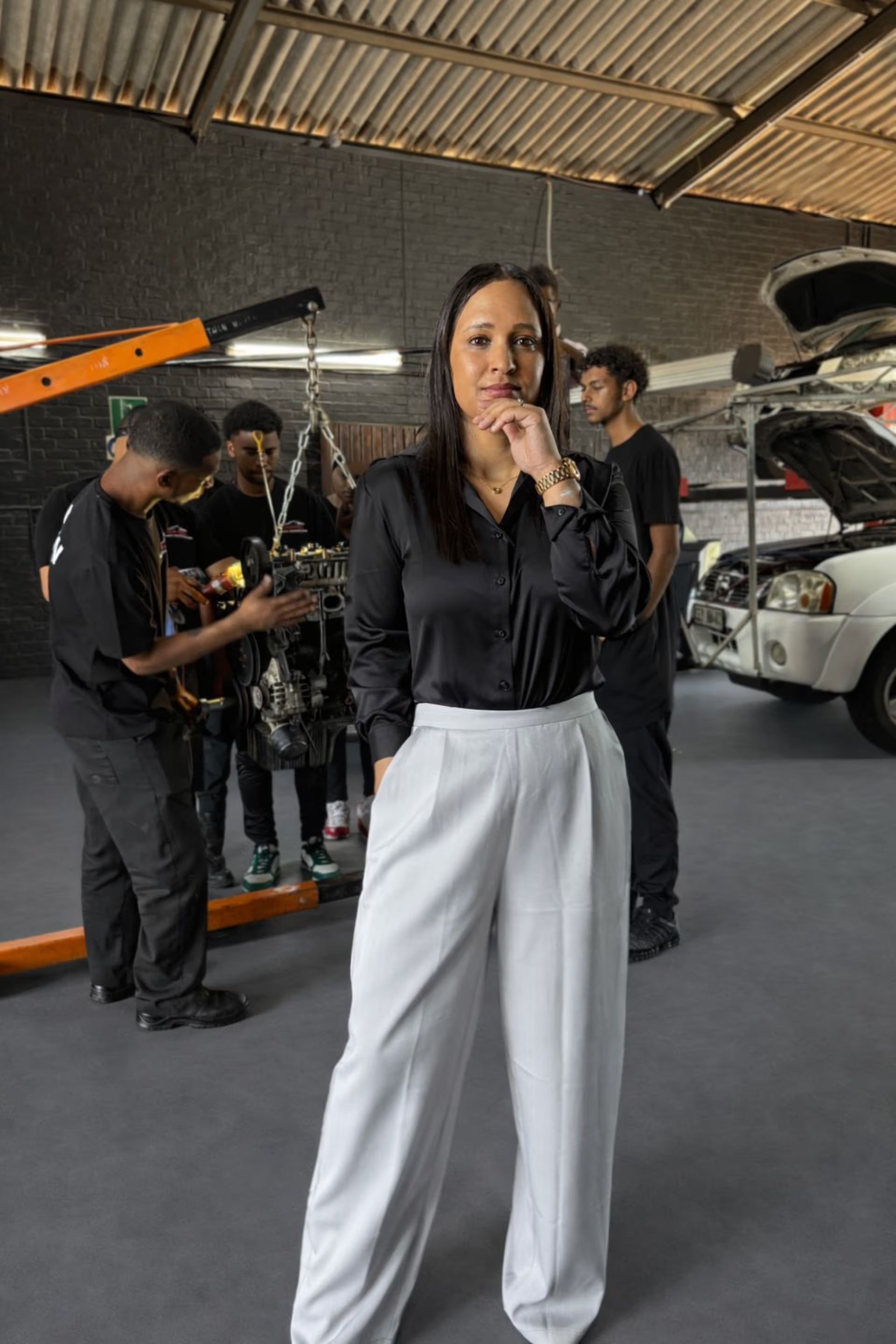
A women-led automotive workshop in Somerset West is taking a bold step to help address South Africa’s growing skills shortage by turning its premises into a practical training environment for young people who want to pursue a career in mechanics.
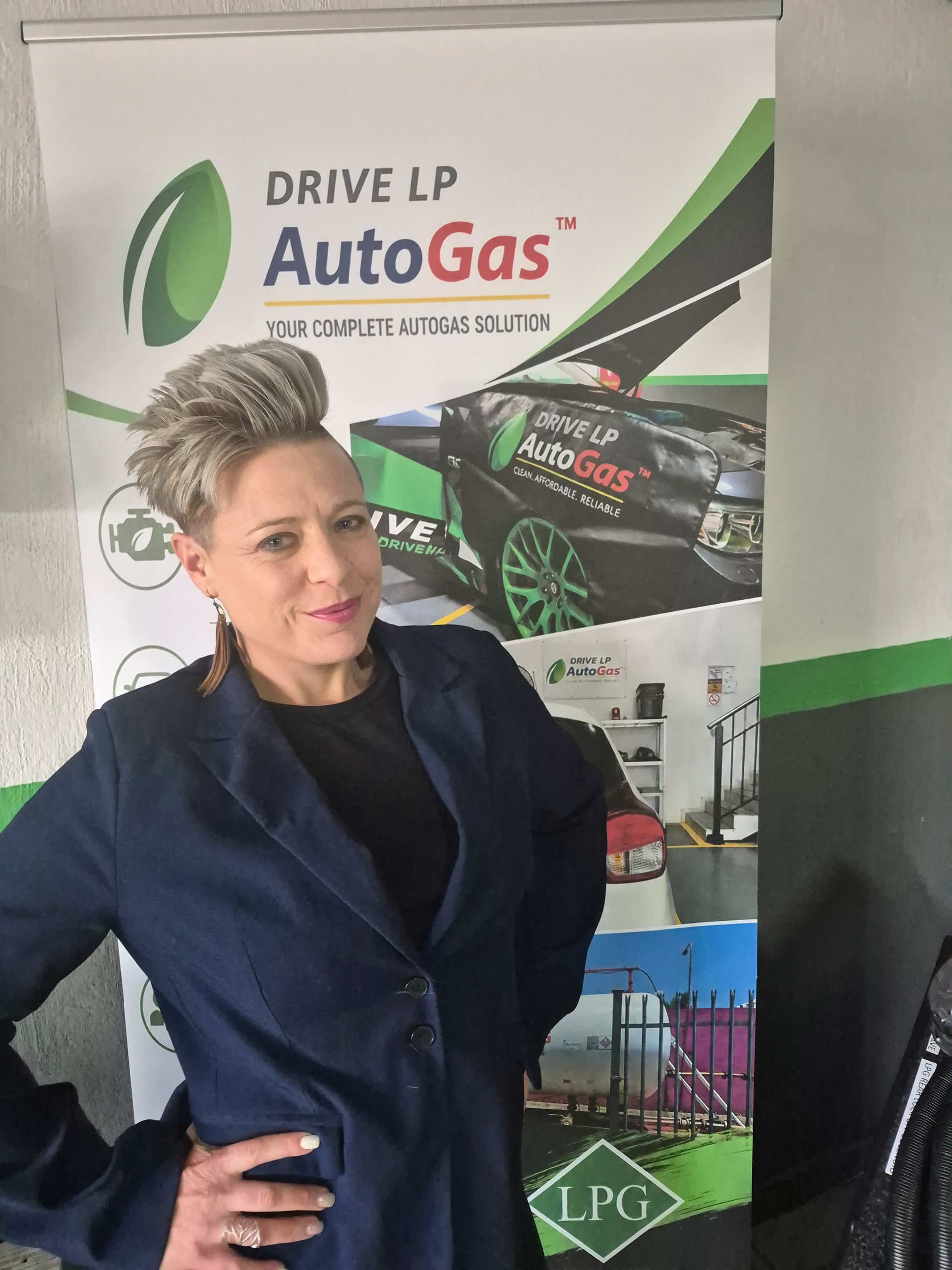
Somerset Mechanical Centre (SMC), a long-standing member of the Motor Industry Workshop Association (MIWA), has served the Helderberg community for more than 15 years. Owned by Director Tazkia Abrahams and Co-Owner Marjory Mentoor, the workshop is now expanding its purpose. Alongside its repair services, the team is working to support the development of new technical talent for the automotive sector.
The concept emerged as a response to a persistent industry challenge. According to Abrahams, finding qualified mechanics has become increasingly difficult. She explains that several job adverts were posted over the past year, yet very few candidates had the necessary training. Discussions with manufacturers and other industry players revealed a shared struggle, with many competing for the same limited pool of skilled workers.
This prompted Abrahams and Mentoor to consider how their workshop could contribute more directly to a long-term solution. They began exploring ways to use their operational environment as a platform for structured training and mentorship.
Abrahams says they wanted to find a way to add more value as community members, not only as business owners. This led to the idea of transforming the workshop into a training space where young people could gain real experience.
The initiative is aimed primarily at matriculants from surrounding rural areas, including Strand, Macassar, Firgrove, Sir Lowry’s Pass and Grabouw. Many of these young people face limited access to further education and formal employment opportunities.
The programme places strong emphasis on hands-on learning. Abrahams explains that technical skills are vital, but so is guidance on workplace behaviour. Trainees will learn what is expected in a professional environment, including punctuality, responsibility and working within established procedures.
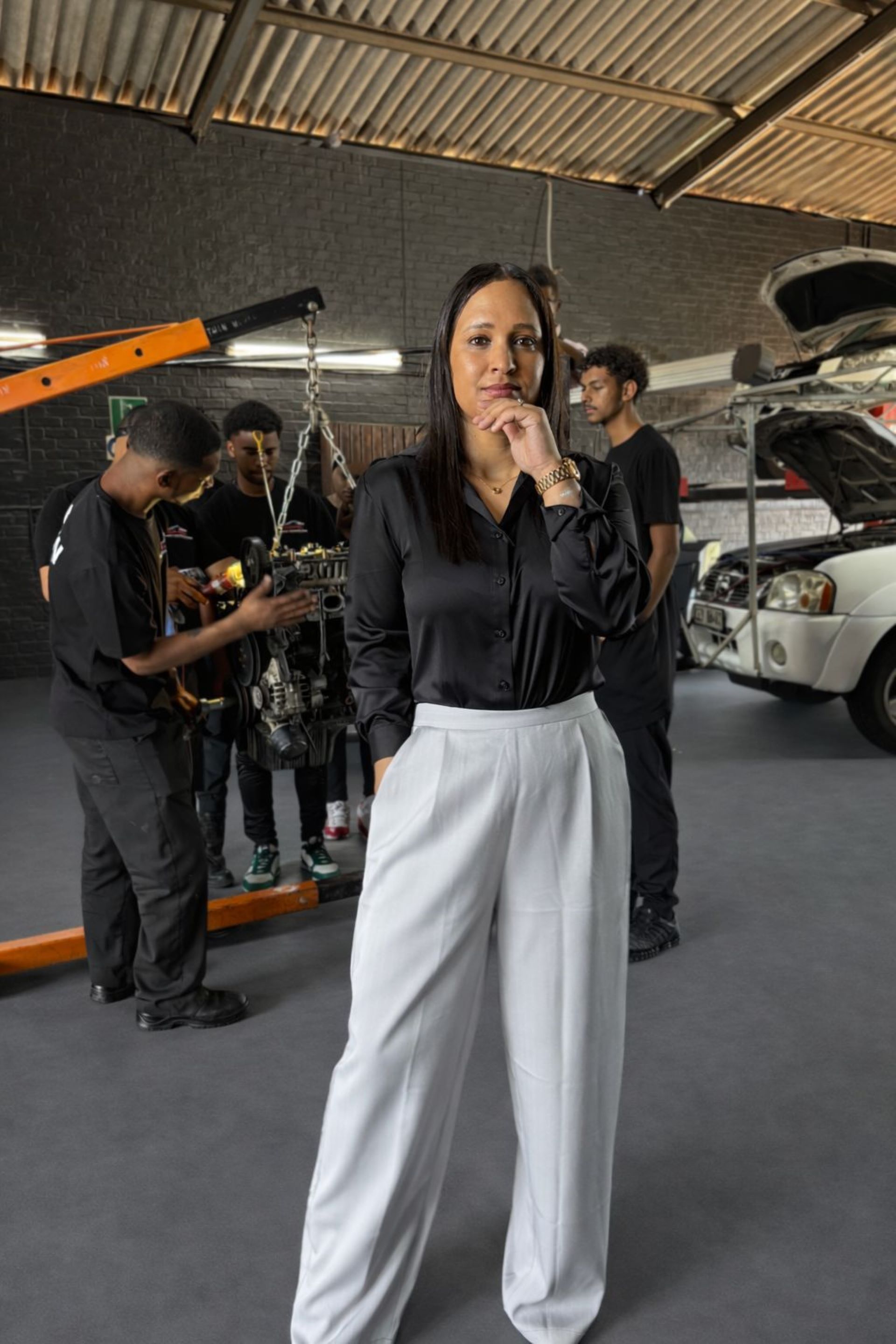
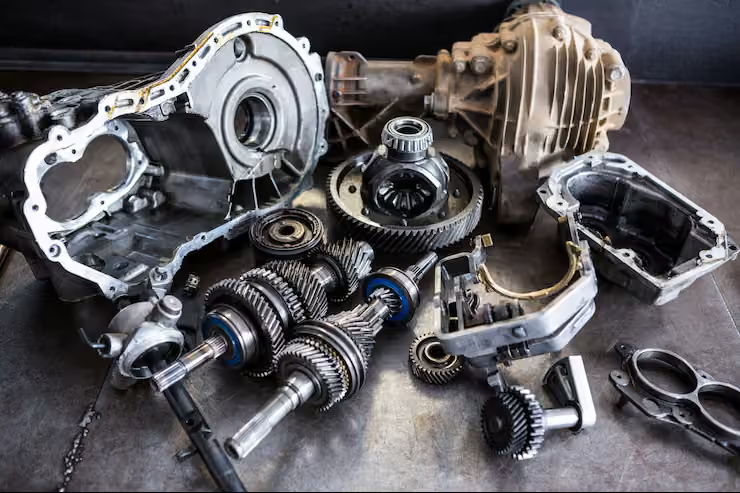
Training will cover essential mechanical skills, with options to specialise in fields such as diesel mechanics and wheel alignment. Participants will also be introduced to the regulatory requirements that govern a compliant workshop.
The project is being developed with support from key industry bodies, including MIWA, the Retail Motor Industry Organisation (RMI) and merSETA. These organisations are helping to shape the framework and ensure that the training provided meets sector standards.
Mentoor believes that collaboration of this kind is crucial. Training authorities may supply the structure, but workshops offer the practical exposure needed to prepare young people for the realities of the industry.
The initiative also carries a strong focus on community upliftment. Mentoor notes that creating meaningful opportunities for young people from rural backgrounds is central to their vision.
Despite the positive momentum, several challenges remain, particularly around funding, transport and basic daily needs for trainees. Abrahams explains that significant investment has already been made to upgrade equipment and improve the workshop space. However, practical issues such as transport to and from the workshop and providing meals continue to be major considerations, as these factors directly influence a trainee’s ability to learn effectively.
Progress is steadily advancing. Compliance procedures are nearly completed and renovations are ongoing. If plans remain on course, SMC hopes to officially launch the training facility on 1 July 2026.
Looking to the future, Abrahams has ambitious expectations for the project. She envisions expanding it into a fully developed training centre in the Helderberg area. This would be a place where young people can learn a trade, gain practical experience and build a sustainable career.
As the automotive industry continues to face a shortage of technical expertise, initiatives like this highlight the vital role independent workshops can play in developing the next generation of artisans.