Speaking at the Automechanika CEO Breakfast in Johannesburg on 30 January, Retail Motor Industry Organisation (RMI) CEO Ipeleng Mabusela delivered a compelling message: South Africa’s automotive retail and aftermarket sector is not merely an adjunct to vehicle manufacturing—it is the country’s true engine of mobility, employment and economic resilience.
A Sector That Touches Every Household
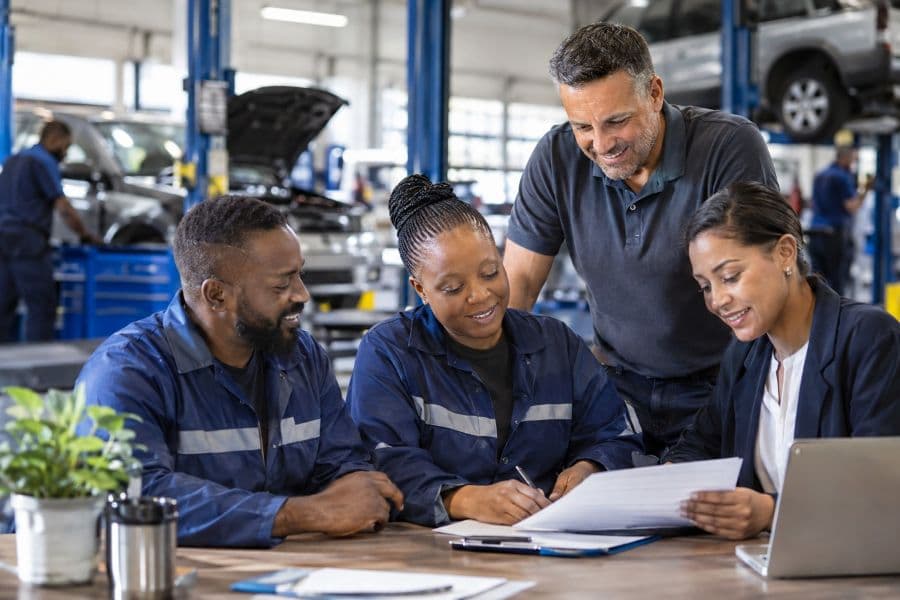
Mabusela highlighted that the automotive retail and aftermarket ecosystem forms the “entire life” of a vehicle. From workshops and tyre fitment centres to testing stations, body repairers and fuel retailers, the sector is present in every district and interacts with every household. It underpins mobility for millions, enabling economic participation and access to opportunity.
Government departments increasingly recognise its scale and importance. The Department of Trade, Industry and Competition notes that South Africa’s Automotive Masterplan cannot optimise the domestic market without acknowledging the size and value of the aftermarket economy. The Department of Transport sees the sector as fundamental to national roadworthiness enforcement, while the Department of Higher Education and Training views aftermarket trades as vital for skills development ambitions.
A Job‑Rich Pillar of the Economy
The numbers tell a striking story. Around 70% of all jobs in the automotive value chain are in the retail and aftermarket space—approximately 270,000 roles, the majority within small and medium‑sized enterprises. Even during sluggish GDP growth, aftermarket employment has grown at around 1.2% annually between 2020 and 2024, demonstrating remarkable resilience.
With over 23,000 businesses—80% of them SMEs—the sector provides the country’s largest labour absorption mechanism. The RMI represents 8,500 of these firms and negotiates wages for more than 300,000 employees across the industry.
Despite economic headwinds such as skills shortages, an ageing vehicle fleet and rising compliance costs, the sector remains a stabilising force for employment and mobility. With South Africa’s vehicle parc now averaging 10.8 years, consumers rely heavily on cost‑effective maintenance to keep cars safe and roadworthy.
An Undervalued Contributor to GDP
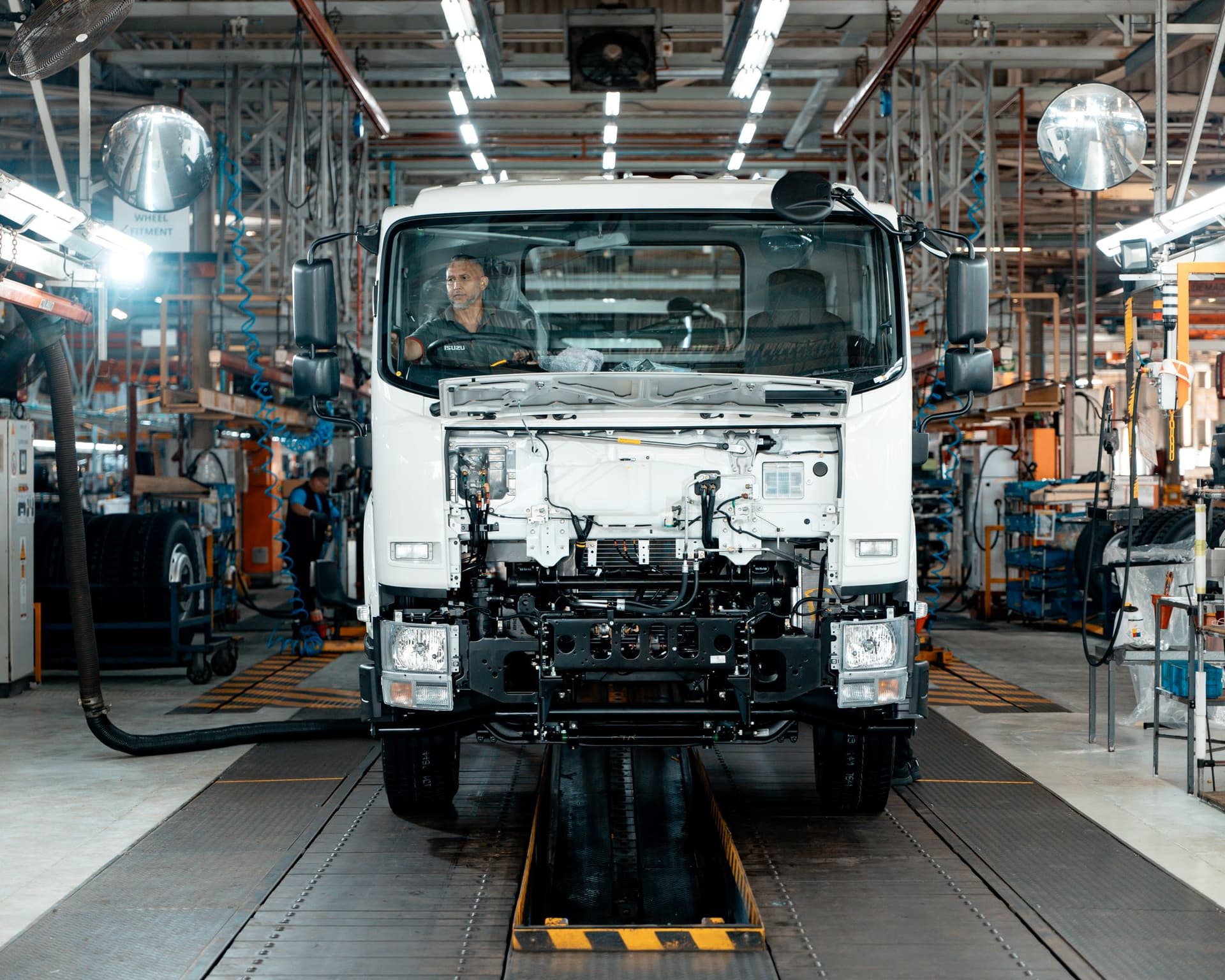
For years, policy design underestimated the aftermarket’s economic contribution. New data shows that more than 54% of the automotive sector’s total value add comes from retail and aftermarket activity—totalling over R200 billion. In contrast, vehicle manufacturing contributes around R170 billion.
Understanding these figures repositions the aftermarket as a fundamental pillar of South Africa’s economy, essential not only for household mobility but also for consumer safety and national productivity.
A Growing Skills Crisis
Yet the sector faces alarming skills shortages. Artisan numbers have declined by 31% over the past decade, despite a 125% rise in apprenticeship enrolments. This mismatch between training and qualification threatens repair quality, delays job creation and raises safety risks for motorists.
Without urgent intervention, South Africa risks losing the skills foundation required for safe, affordable mobility. It also slows transformation, particularly in township economies where automotive trades offer accessible entry points for young people—often without needing a matric—and clear progression pathways from technician to artisan to business owner.
A National Pipeline That Is Already Delivering
Mabusela emphasised that the foundations for a national skills solution are already in place. The RMI, working with merSETA, the Automotive Industry Development Centre (AIDC), Technical and Vocational Education and Training (TVET) colleges and original equipment manufacturer (OEM) academies, has developed a comprehensive pipeline covering talent attraction, training and workplace placement.
Current programmes include:
more than 2,500 learners supported through merSETA‑funded initiatives
580 Recognition of Prior Learning seats across nine trades
Project Dineo, which takes matriculants through apprenticeships into qualified artisan roles
new training capacity for electric vehicles and advanced diagnostics
This ecosystem, Mabusela argued, is ready for rapid national scale‑up—if supported through strong collaboration.
Road Safety Through Modern Testing and Proportionate Compliance
Road safety remains one of South Africa’s most pressing challenges. With four in five vehicles untested annually and crash costs exceeding R200 billion, Mabusela reiterated that Periodic Vehicle Testing is the most effective national intervention to reduce fatalities and socioeconomic losses.
She additionally called for risk‑adjusted compliance that protects SMEs from disproportionate regulatory burdens, enabling them to operate safely, affordably and formally.
A Collaborative Vision for 2026
Looking ahead, Mabusela outlined a bold but practical vision for 2026 focused on strengthening skills, reducing compliance barriers, improving road safety and driving local value through remanufacturing and green‑parts industries. Central to this vision is a more data‑driven aftermarket capable of withstanding global shocks.
Her closing message was clear: collaboration across business, labour, government and training institutions is essential to unlock the full potential of this vital sector—and to keep South Africa moving safely and affordably.