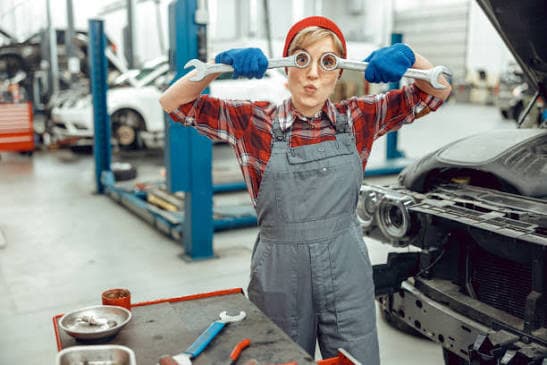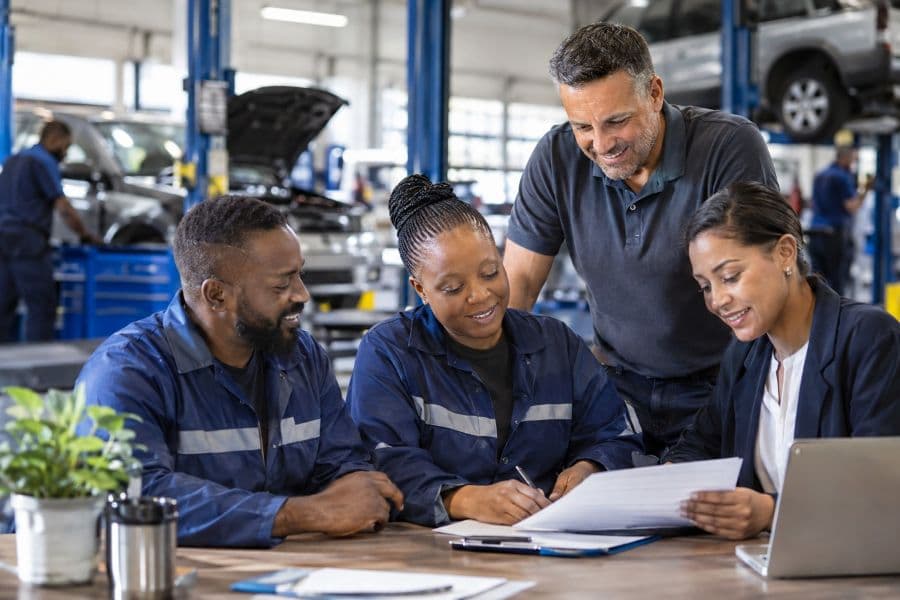
South Africa’s automotive industry is undergoing a significant transformation as more women establish careers in workshops, dealerships, parts businesses, technical trades and leadership positions that were once overwhelmingly occupied by men.
Coinciding with Women’s Month, the latest Motor Industry Bargaining Council (MIBCO) workforce statistics reveal that almost 95,000 women are employed in the organised automotive retail aftermarket. Women now account for approximately 30% of the sector’s total workforce of 316,945 employees.
The Retail Motor Industry Organisation (RMI) says the figures reflect encouraging progress while highlighting the need to further increase women's participation in technical, operational and executive roles.
According to RMI HR Manager and Transformation Director, Nonhlanhla Tshabalala, attracting more women into the industry is essential for both transformation and long-term sustainability.
“Our industry is built around people. Every time a young artisan qualifies, a woman steps into a leadership position or a small business grows, we strengthen not only our sector but the South African economy,” she says.
Tshabalala believes diversity and innovation must go hand in hand if the automotive sector is to meet future skills demands and remain competitive.
RMI National Director: Training, Louis van Huyssteen, says employment and apprenticeship trends show growing interest from women pursuing automotive careers. He says the industry's focus must now be on ensuring women receive the support, mentoring and workplace experience required to complete their qualifications and build lasting careers.
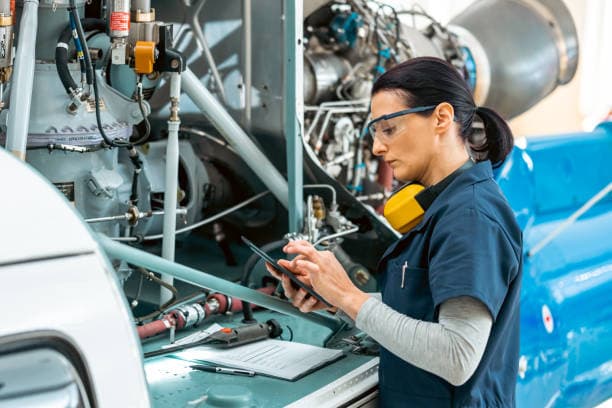
Women are now represented throughout the automotive aftermarket, working in vehicle sales, service advising, workshop ownership, diagnostics, collision repair, spray painting, panel beating and parts operations. Within dealerships, they make up nearly one-third of employees and occupy positions ranging from customer-facing roles to departmental management and dealer principal appointments.
Their increasing participation is particularly significant as South Africa continues to experience a shortage of qualified artisans. National artisan development statistics for the 2025/26 period show women accounted for around 38% of artisan registrations where gender was recorded. In one anonymised RMI-linked apprenticeship cohort, women represented 60% of apprentices, demonstrating that focused recruitment strategies can successfully encourage more young women to enter technical professions.
Van Huyssteen says creating opportunities is only the first step. Long-term success depends on quality workplace exposure, practical training, effective mentorship and equal opportunities for career progression.
To strengthen this pipeline, the RMI has introduced several initiatives. Project Dineo, developed in partnership with merSETA, the Department of Higher Education and Training, Harambee and the Presidency, aims to train 300 young people over a three-year period. At least 40% of participants are expected to be women, while the programme also prioritises young people with disabilities and individuals from previously disadvantaged communities.
The organisation’s Women Driving Change initiative continues to showcase successful women across the automotive value chain, while programmes such as the MIWA Motor Mech Shows expose learners to technical career opportunities and challenge outdated perceptions about women working in the industry.
Tshabalala says visible role models are critical to inspiring the next generation.
“In industries like ours, recognition matters because it shows other women what is possible. When young women see successful technicians, workshop owners, engineers and executives, they begin to picture themselves following the same path,” she says.
She notes that many women helping to transform the automotive sector do so quietly every day, making valuable contributions in workshops, dealerships, testing stations, parts businesses and corporate offices across South Africa.
Looking ahead, the RMI believes continued collaboration between industry, government and business will be essential to sustaining transformation. Priorities include expanding mentorship programmes, improving access to technical careers, supporting women-owned businesses and embedding inclusion into everyday business practices.
For Tshabalala, the vision is an automotive industry where opportunity is determined by talent, commitment and skill, allowing women to play an even greater role in shaping the sector’s future.