Car repairs have become painfully expensive, and drivers are right to notice.
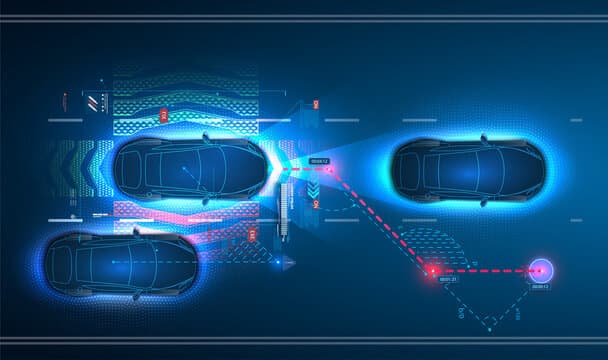
A cracked bumper, a damaged mirror or a replaced windscreen can now involve radar units, cameras, sensors and specialist recalibration. What once looked like a simple body-shop job may now require a technician to restore the vehicle’s electronic “eyes” before it can safely return to the road.
That complexity is one reason repair bills have risen sharply. The U.S. Bureau of Labor Statistics tracks motor vehicle maintenance and repair prices through its Consumer Price Index data, and related figures show sustained increases in recent years.
At the same time, vehicles themselves have changed. More buyers choose heavier SUVs and pickups, while even ordinary family cars now come with turbocharged engines, hybrid systems, all-wheel drive, large screens and advanced lighting. Each feature adds convenience, but also adds parts, labour and expertise when something breaks.
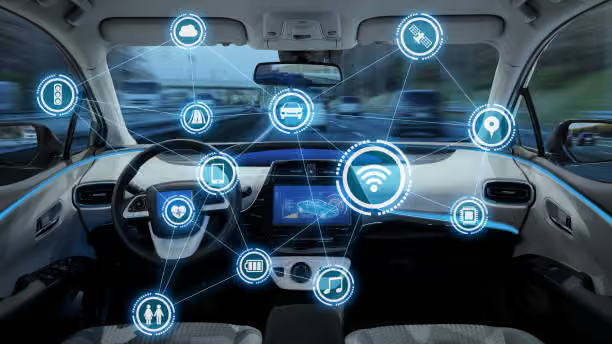
Advanced driver assistance systems, often called ADAS, sit at the centre of the debate. These include automatic emergency braking, blind-spot monitoring, lane departure warning, parking sensors and rear cross-traffic alerts. Their sensors are often mounted in exposed places such as bumpers, windscreens and mirrors. After a collision, those sensors may need replacement, alignment and calibration. A 2023 AAA Newsroom report found that ADAS parts, labour and calibration represented a notable share of repair estimates across several common repair scenarios, including front-end damage, rear damage, mirror replacement and windscreen replacement.
Yet focusing only on the bill after a crash misses the larger point. These systems are not merely expensive extras. They are designed to stop crashes from happening in the first place, and the insurance data increasingly suggests that they do.
The Highway Loss Data Institute has studied collision avoidance technologies for years. Its research shows that many systems are associated with lower claim frequencies, particularly automatic emergency braking systems that act for the driver rather than simply issuing a warning. In other words, while a crash involving a sensor-equipped vehicle may cost more to repair, there are fewer crashes to repair. "https://www.iihs.org/media/d391f0fa-2c92-4308-a27f-c93d60757e55/3VeIsw/HLDI%20Research/Collisions%20avoidance%20features/40-04-compendium.pdf"[iihs.org]
That distinction matters. Insurers look at both claim severity, meaning the cost of each claim, and claim frequency, meaning how often claims occur. Smart safety technology can raise severity because surviving crashes may involve costly sensors and calibration. It can also reduce frequency by preventing many low-speed impacts altogether. Remove enough minor crashes from the system and the average remaining repair may look more expensive, even while total losses fall.
This creates a paradox for consumers. A driver may see higher repair estimates and assume technology is making motoring less affordable. But if automatic emergency braking prevents a rear-end collision, the saving is immediate: no excess payment, no repair delay, no hire car, no premium shock and no injury risk. The cheapest repair is still the one that never happens.
There are practical lessons for owners. Do not ignore calibration after a repair. A sensor that is only slightly misaligned may undermine a safety system without obvious warning. Ask repairers whether scans, recalibration and manufacturer procedures are included in the estimate. When buying a car, consider safety systems not only as convenience features, but as financial protection.
Modern vehicles are undeniably more complicated, and repairs are unlikely to become simple again. But the evidence points to a more balanced truth: crash avoidance technology can make individual repairs dearer while making crashes less common. For drivers, that may be the better bargain.