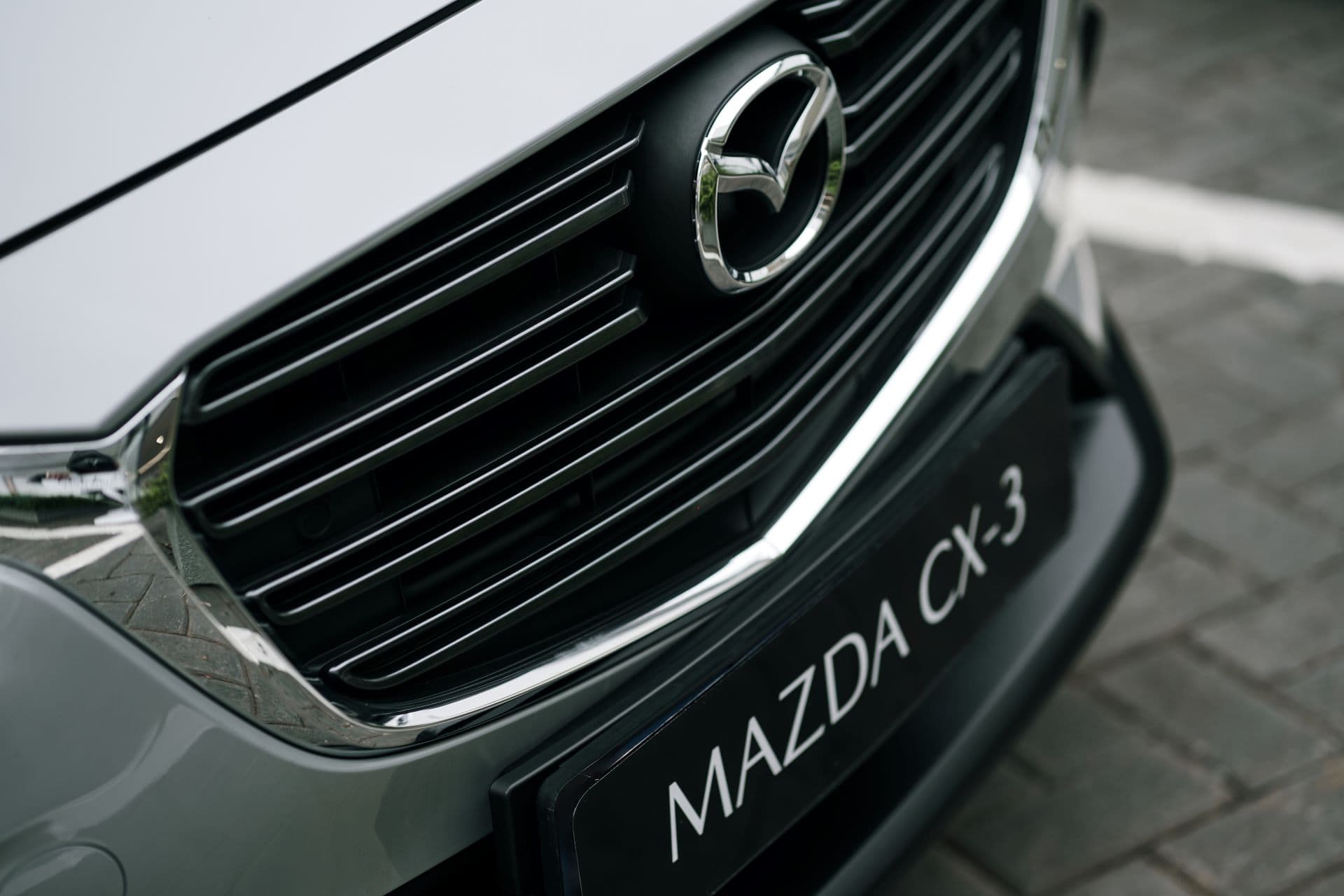
A growing body of evidence suggests that modern driver assistance technologies are significantly reducing road crashes, and new research into Mazda’s 2015 to 2023 models highlights just how powerful these systems can be when combined.
A recent analysis by the Highway Loss Data Institute (HLDI) finds that as advanced driver assistance systems become more sophisticated and more widely fitted, their safety impact grows accordingly. The study examined six bundles of features as well as several stand-alone systems across a range of Mazda vehicles, comparing changes in insurance claim frequency to measure real-world effectiveness.
Larger feature bundles prove far more effective
At the simplest level, the basic package consisted of front automatic emergency braking. This system, which also included forward collision warning, already delivered clear benefits: a 13 percent reduction in property damage liability claim rates and a 9 percent reduction in bodily injury liability claims.
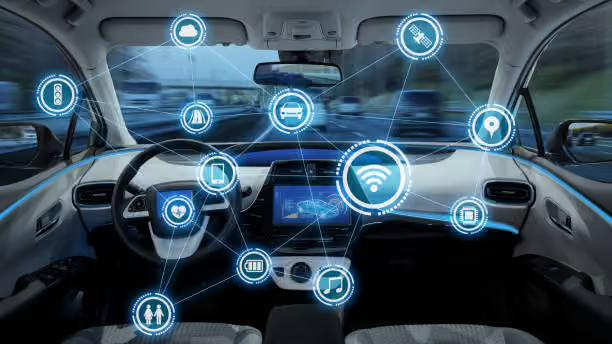
However, the real gains emerged in the more comprehensive packages. These added features such as pedestrian-detecting automatic emergency braking, adaptive cruise control, high-beam assist, lane departure warning and prevention, rear automatic emergency braking, and a driver attention monitoring system. Because these bundles were offered on newer vehicles, they also included upgraded versions of earlier technologies.
The most extensive bundle was linked to a 39 percent reduction in property damage liability claims and a 21 percent fall in bodily injury liability claims. Although the latter figure was not statistically significant, the trend across all bundles was clear: the more technologies included, the larger the reduction in crash-related claims.
One feature did not create additional benefit. The inclusion of Driver Attention Alert had no measurable effect, likely because it only activates under specific conditions, such as prolonged driving at certain speeds and on roads with clear lane markings.
Pedestrian detection and rear braking deliver notable improvements
Two features stood out for their substantial contributions. Updated front automatic emergency braking, now with pedestrian detection, not only prevented incidents involving vulnerable road users but also appeared to better mitigate collisions with other vehicles. Rear automatic emergency braking also produced large reductions in claims by preventing common low-speed parking impacts, which account for a considerable proportion of insurance reports.
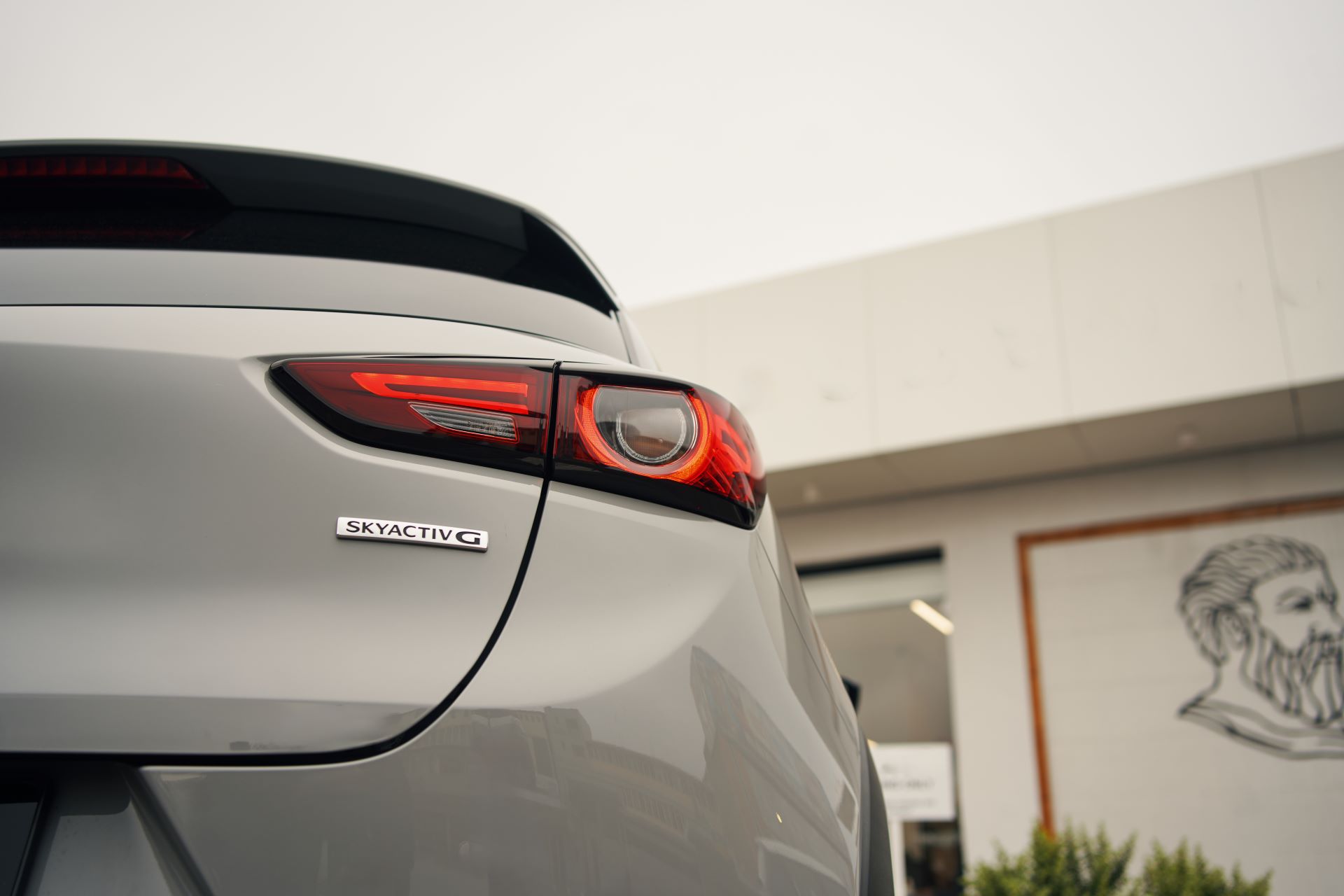
Stand-alone systems show mixed but encouraging results
Some technologies cannot be assessed individually because manufacturers link them together. Mazda’s blind spot detection and rear cross-traffic alert, for example, share radar sensors and thus are evaluated as one system. Together, they reduced property damage liability claims by almost 10 percent and bodily injury liability claims by 13 percent.
Curve-adaptive headlights and a heads-up display also showed modest positive effects, helping drivers maintain greater awareness in challenging conditions. One system, Traffic Sign Recognition, produced unclear results. Its benefits may be difficult to detect due to either performance limitations or the relatively small number of equipped vehicles.
Claim severity rises, but overall losses fall
Although most systems were associated with higher claim severity, this does not imply worse safety performance. Modern sensors and components are costly to replace, and avoiding minor crashes removes lower-value claims from the dataset, raising the average cost of those remaining.
When looking at overall losses, which combine how often claims occur and how costly they are, nearly all bundles and individual systems produced reductions under property damage liability coverage. A few systems increased losses slightly under collision coverage, but the general trend points towards meaningful economic and safety benefits.
A clear direction for safer roads
The findings reinforce a simple message: vehicles equipped with multiple, up-to-date driver assistance technologies offer markedly greater protection than those with only basic features. As these systems improve and become more commonplace, their combined effect is expected to continue reducing crashes and injuries.
If drivers are particularly concerned about repair costs, experts emphasise the value of rear automatic emergency braking. Ensuring it is fitted and activated could prevent many of the small but frequent incidents that drive insurance expenses.
Would you like a shorter summary, a version tailored for a newsletter, or help converting this into a PowerPoint or Word layout?