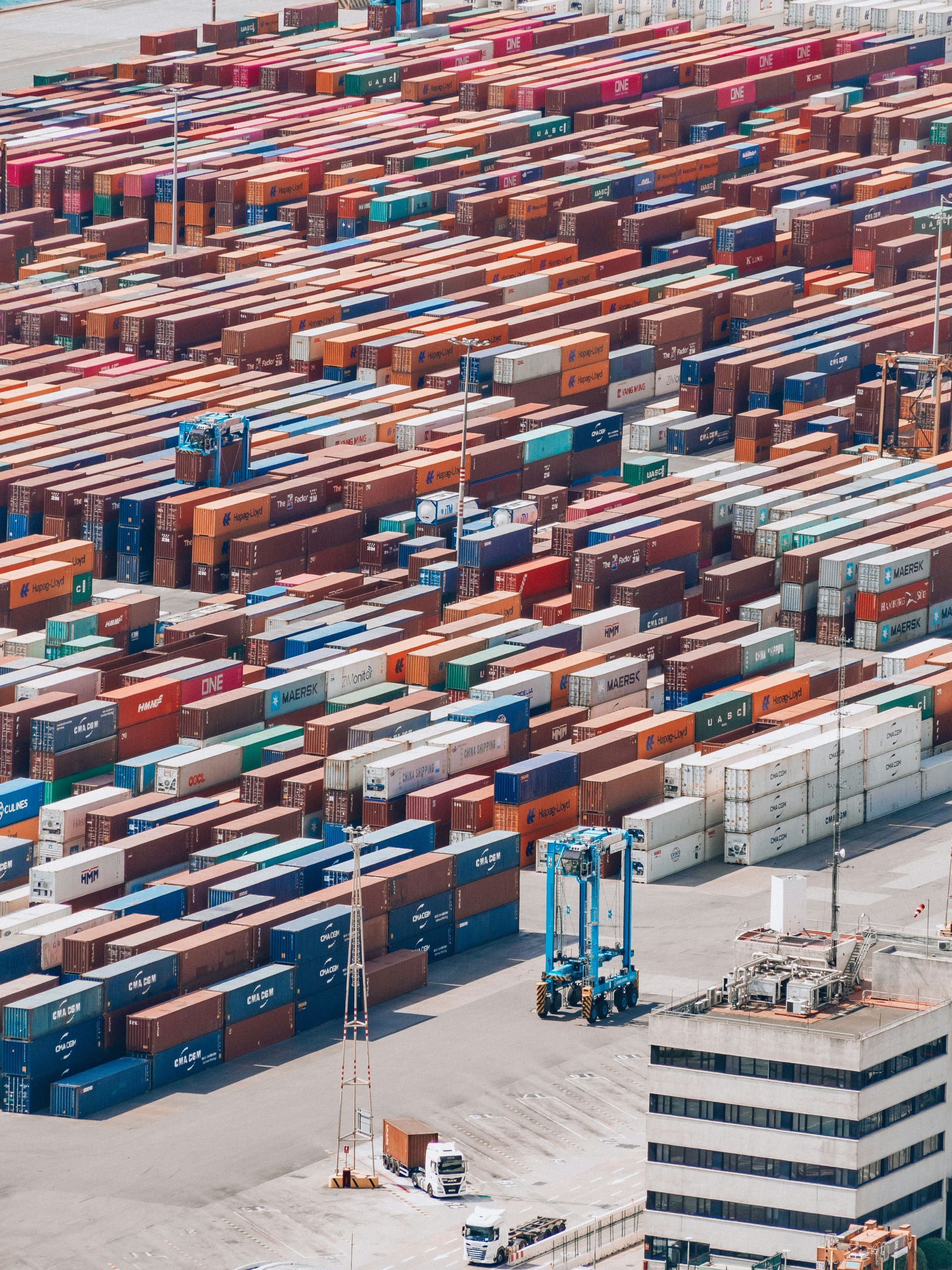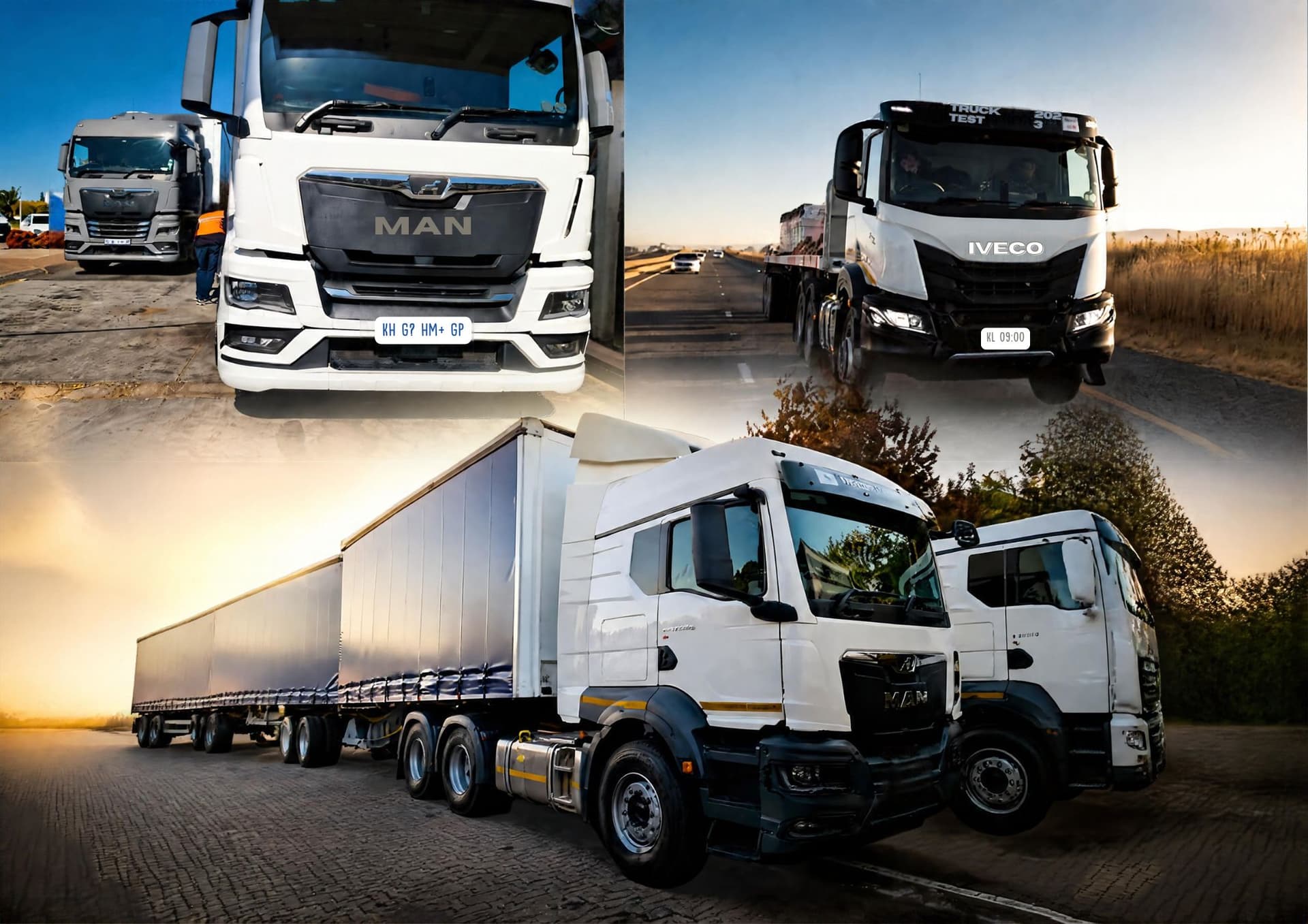
The reimposition of US tariffs on South African automotive exports has hit the country’s components and repair industries hard, compounding pressure on a sector already dealing with tight margins and global competition. Vehicle exports to the US – South Africa’s second-largest trading partner – dropped by a staggering 82.2% in the first half of 2025 compared to the same period in 2024.
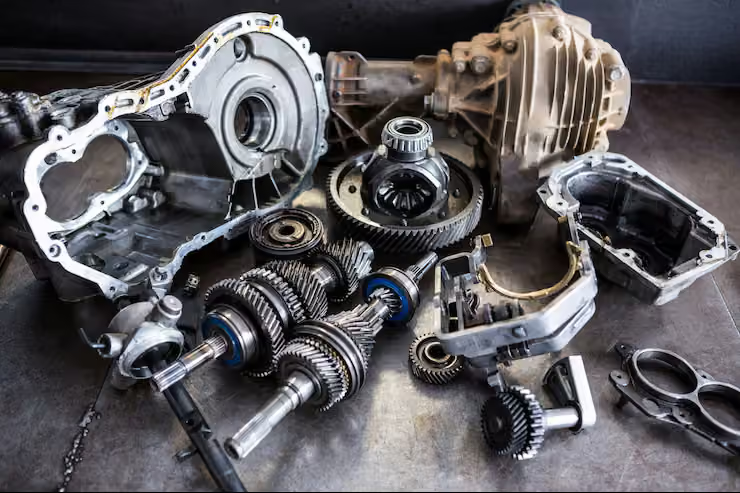
This decline poses a serious threat to the country’s extensive supplier networks, especially for automotive components that support both domestic vehicle production and international exports. These disruptions are likely to have knock-on effects across the repair and aftermarket sectors, where availability and pricing of parts are critical.
“The reimposition of these tariffs is deeply disappointing and has far-reaching implications. Without urgent trade remedy, the socio-economic fallout could be severe,” said Mikel Mabasa, CEO of The Automotive Business Council (naamsa), in response to the April 2025 tariffs and the upcoming 30% general tariff effective from 7 August.
Despite the tariff blow, the industry showed some resilience. Export volumes in July 2025 fell by just 1.9%, year-on-year, thanks to South Africa’s broad export footprint across 109 markets. However, increased competition from other nations targeting SA’s traditional markets poses new threats.
“South Africa’s automotive industry has long relied on the strength of its export engine to drive production, attract investment and create high-value employment. The current environment has tested that model – but our ability to maintain solid export volumes amid escalating trade uncertainty demonstrates the commitment of our OEMs to South Africa’s industrial base,” Mabasa added.
Component exports form a key part of this ecosystem. In 2024, the combined export value of vehicles and parts reached a record R268.8 billion, contributing 14.7% of total exports. With 22.6% of South Africa’s manufacturing output linked to the auto industry, and approximately 498,000 jobs supported across the economy, the broader risk is substantial.
“We are not giving up on the US market – but we must now also look to deepen regional trade, expand market access in Africa and Asia, and accelerate the roll-out of South Africa’s NEV-transition strategy to attract new investment and safeguard production capacity,” Mabasa stressed.
As parts availability tightens and costs rise, both the component manufacturers and local repair sector face a defining moment.