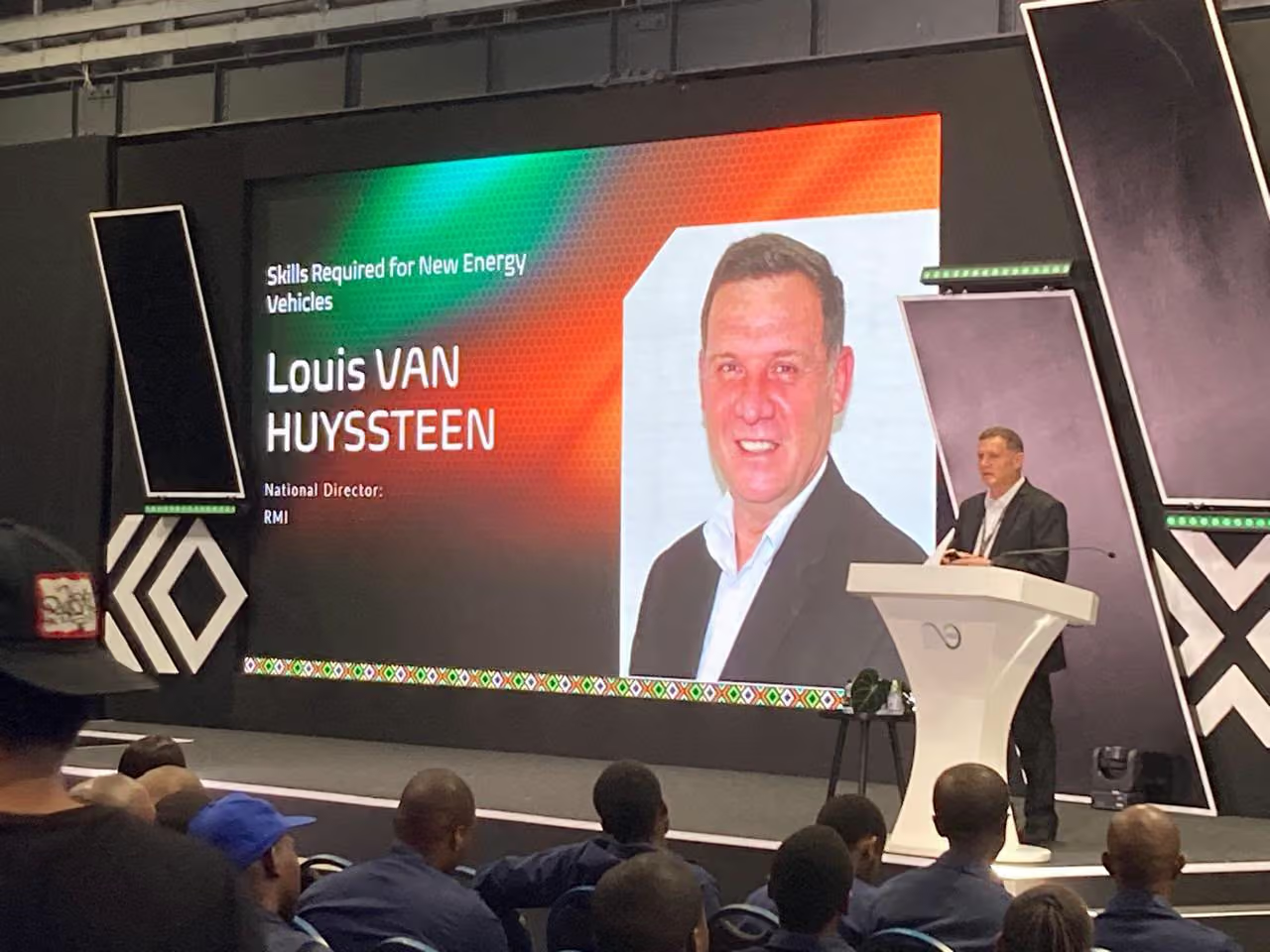
The rapid evolution of vehicle technology is creating new career opportunities for young South Africans entering the automotive sector. Addressing delegates at SA Auto Week 2026 in Durban, Retail Motor Industry Organisation (RMI) National Training Director Louis van Huyssteen outlined how advances in New Energy Vehicles (NEVs), connected technologies and modern vehicle systems are reshaping the skills required across the industry.
Delivering a keynote presentation on future automotive skills, Van Huyssteen emphasised that while vehicles continue to become more sophisticated, people remain at the centre of the industry.
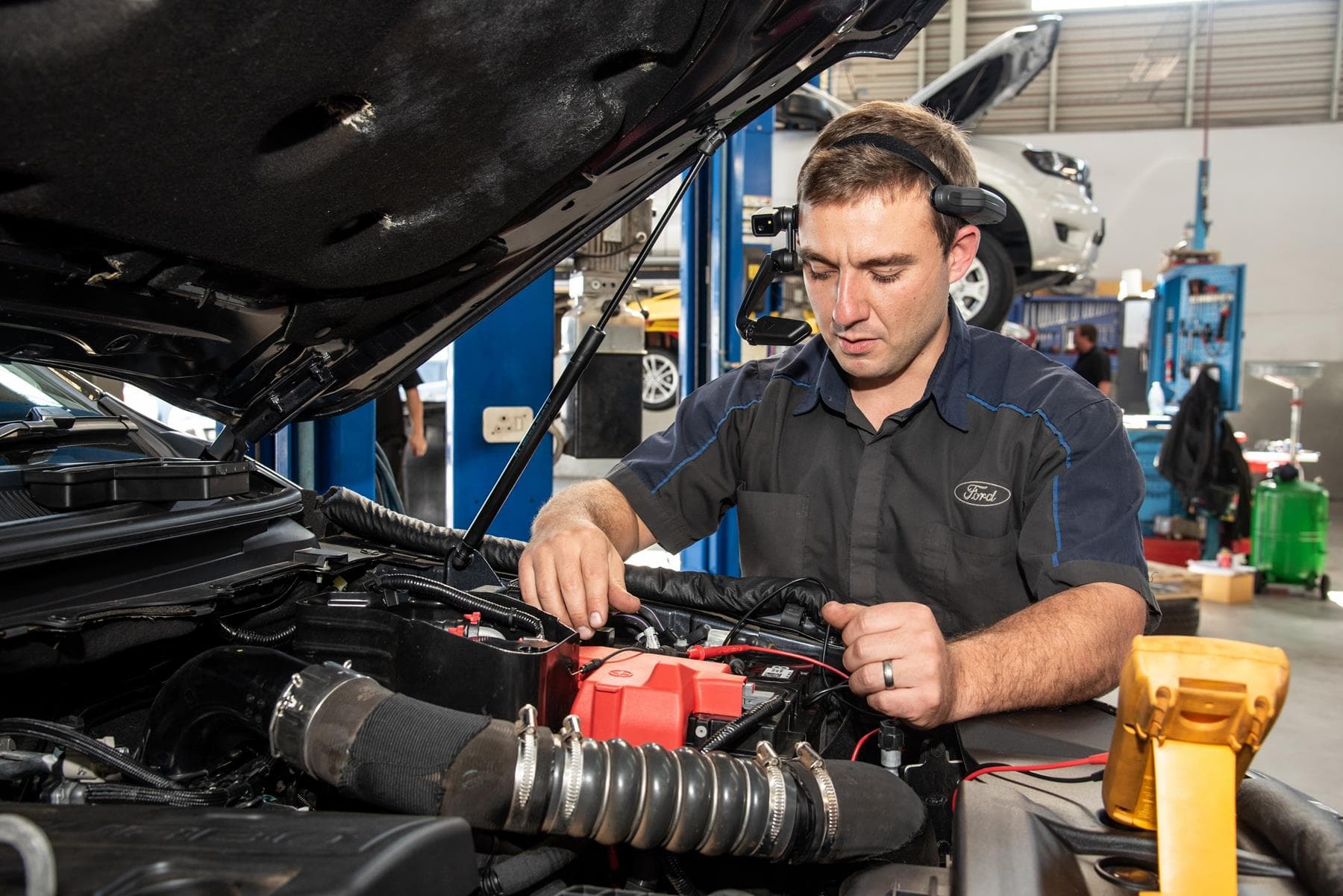
"The car is changing, the career is changing, and the opportunity is growing," he said. "Today's technicians need strong mechanical foundations, but they must also be able to work with electronics, diagnostics and digital technologies."
Although South Africa's vehicle parc continues to be dominated by conventional internal combustion engine vehicles, the arrival of hybrid, electric and increasingly connected vehicles is expanding the range of expertise required throughout the aftermarket. With the average age of the country's vehicle fleet approaching 11 years, traditional maintenance and repair skills remain critical, but new technologies are creating additional opportunities for upskilling and specialisation.
Van Huyssteen said the move towards NEVs should be viewed as an opportunity rather than a challenge.
"The transition to new energy vehicles does not mean traditional skills disappear. It means those skills must evolve alongside technology."
He noted that the automotive aftermarket offers a wide variety of career paths beyond the workshop floor. Opportunities exist for service advisors, parts specialists, diagnostic technicians, technical support professionals and individuals with strong customer service and problem-solving skills.
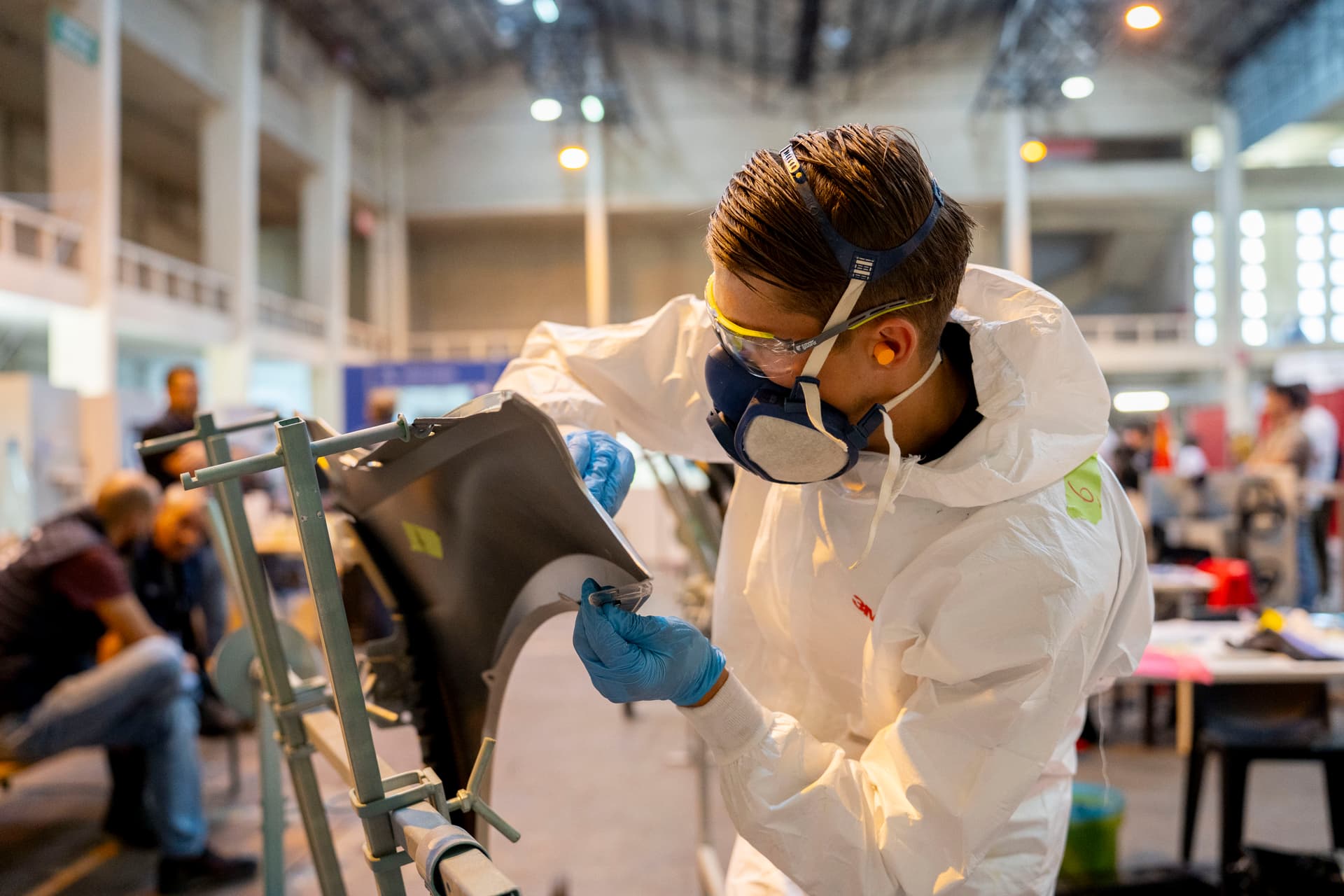
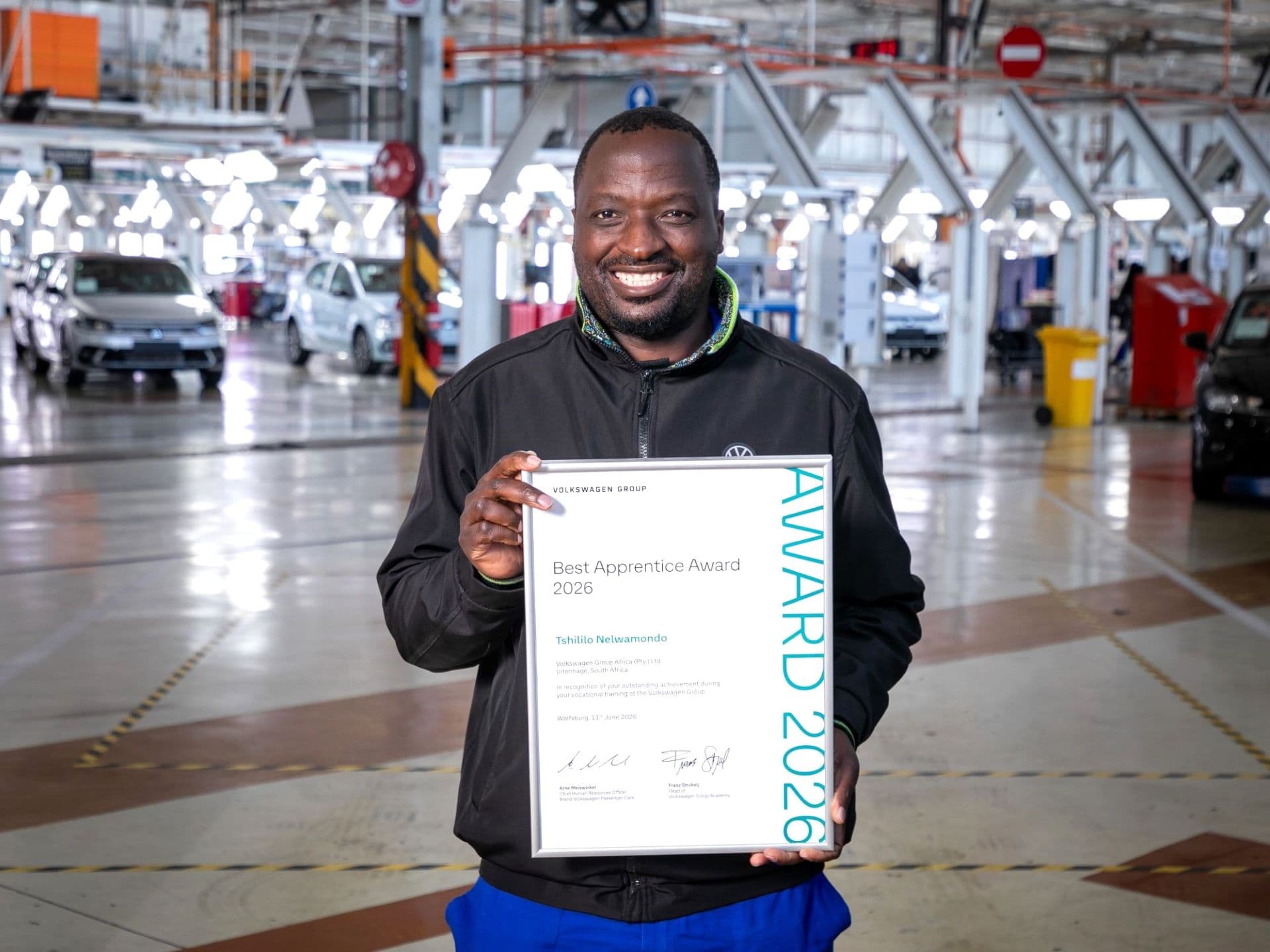
To help develop the future workforce, the RMI offers a range of training options, including short skills programmes, apprenticeships, artisan development initiatives and Artisan Recognition of Prior Learning (ARPL) programmes. These pathways provide learners with practical experience, recognised qualifications and industry-relevant skills.
Interest in automotive careers continues to grow. By October 2026, more than 1 300 learners had enrolled in three merSETA-funded RMI training programmes, reflecting increasing demand for skills development within the sector.
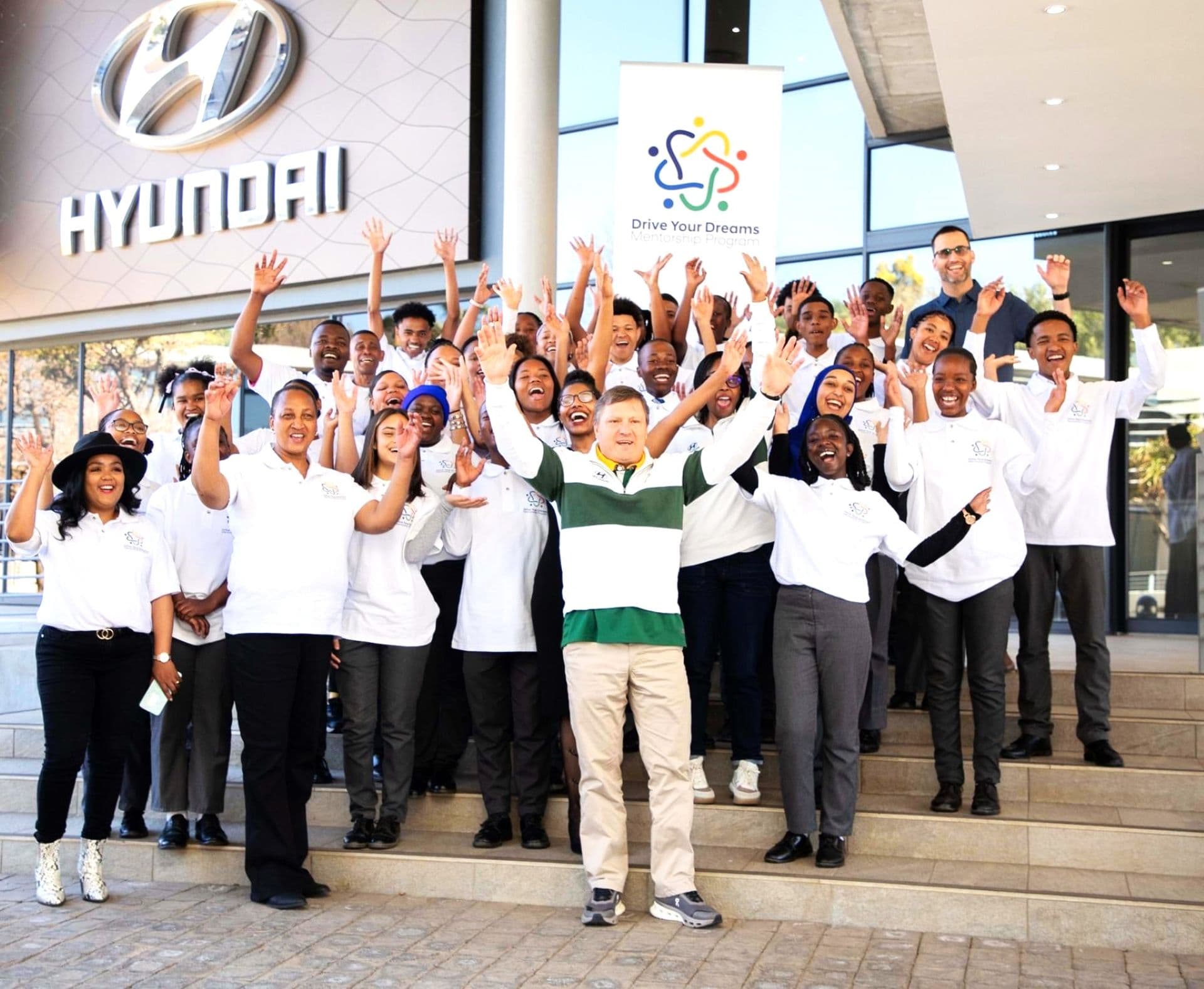
Van Huyssteen stressed that preparing the next generation of automotive professionals requires collaboration between schools, employers, training providers, TVET colleges and industry mentors. He encouraged all stakeholders to expose learners to the diverse opportunities available within the automotive value chain.
"Whether your interests are in mechanics, electronics, technology, diagnostics or working with people, the automotive industry offers rewarding career opportunities," he said.
Concluding his address, Van Huyssteen delivered a clear message to aspiring automotive professionals: "Your future in automotive starts with skills."