Battery electric vehicles continue to have the highest claims severity in the US compared to other vehicle types, according to Mitchell’s Plugged-In: EV Collision Insights Q1 2025 report.
Average severity for repairable vehicles decreased in Q1. In the USA, average claims severity was as follows:
Trends were similar in Canada:
In Q1 2025, claims frequency for repairable, collision-damaged BEVs rose to 3.12per cent in the US and 4.48 per cent in Canada, an increase of approximately 31 per cent in the US and Canada over Q1 2024.
BEV sales remain strong and accounted for more than nine per cent of new vehiclesales in the US and 10 per cent of new vehicle sales in Canada in March 2025. However, the report said consumer adoption of these electrified alternatives is now being threatened by tariffs as well as the anticipated impact to manufacturing costs and the MSRP of new BEVs, along with the supply of used BEVs.
According to the report, whole vehicles imported from outside of North America arenow subject to a 25 per cent tariff, making BEV manufacturers that are heavilydependent on European and Asian manufacturing centres such as Hyundai, Kia,Mercedes-Benz and Nissan likely to raise prices to cover cost increases.
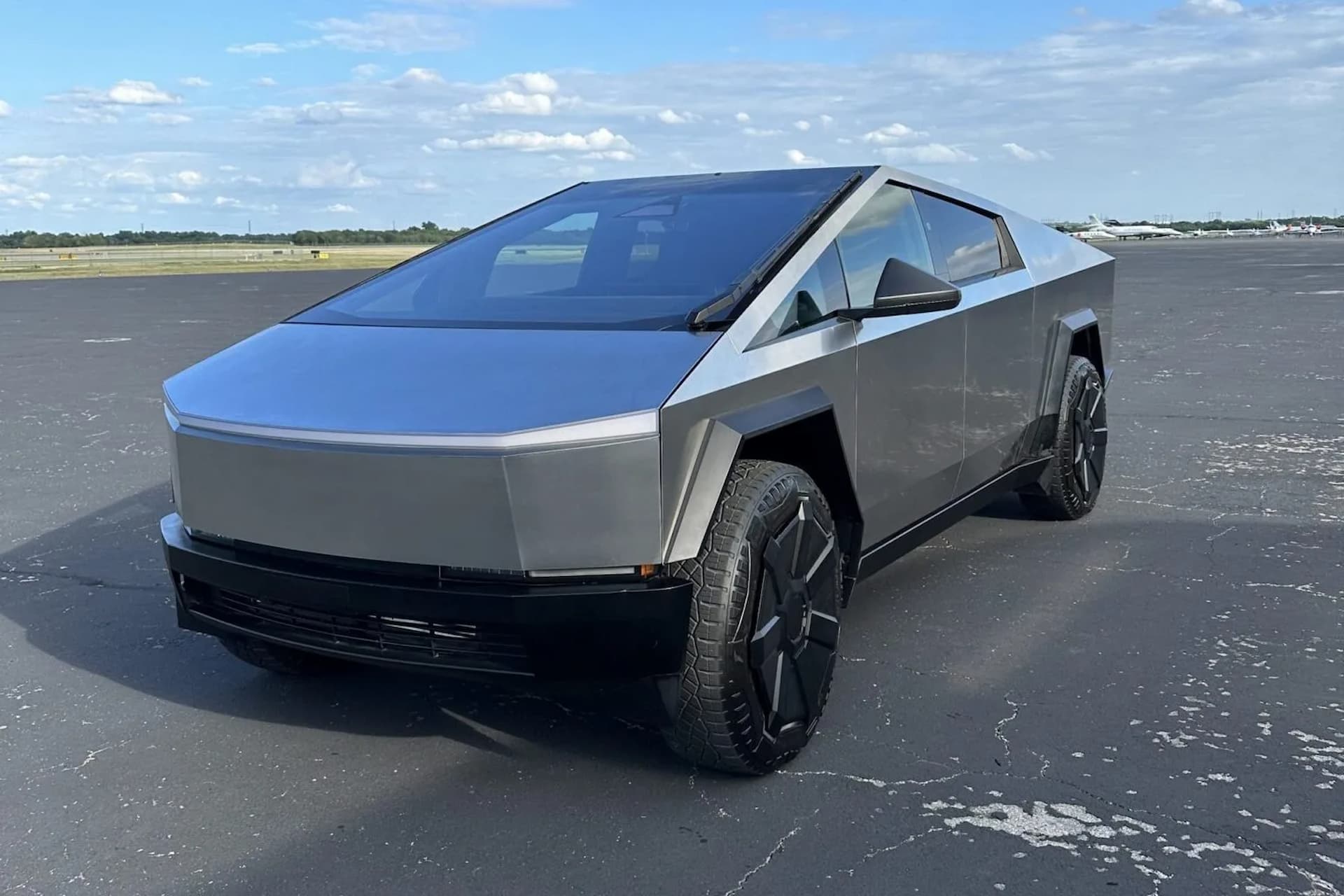
OEMs that mainly rely on Mexico for manufacturing can avoid additional tariffexpenses since vehicles and components that are compliant with the US-Mexico-Canada Agreement (USMCA) can cross borders without incurring new import taxes. This includes high-production BEVs such as the Ford Mustang Mach-E, Volkswagen ID.4 and all Tesla models, which have between 15 and 78 per cent Mexican- manufactured content and less tariff exposure.
The US has also implemented import taxes on raw materials – specifically steel and aluminium – along with car parts. However, an amendment to the original White House proclamation introduced in late April eliminates the compounding of raw material and car part tariffs as part of whole vehicle assembly applications. It also allows all manufacturers that assemble vehicles in the US to temporarily offset a portion of the tariff cost on parts used in the production of new vehicles.
Other parts of a vehicle, such as electrical components, are not exempt. Thesecomponents include headlamps and tail lamps which are common to all vehicles.However, BEVs and plug-in hybrid electric vehicles are much more reliant on partsconsidered electrical components than cars with an internal combustion engine.
For example, high-voltage batteries and electric motors are two of the most prominent parts that fall under the electrical component category. Consequently, a steep rise in the price of BEVs and PHEVs is expected for vehicles that use batteries and motors imported from outside of North America.