Plasnomic has taken a decisive step toward redefining automotive plastic repair by launching what it describes as the industry’s first comprehensive testing and validation programme for polypropylene weld materials.
The initiative aims to establish clear, OEM-aligned standards in a sector long criticised for inconsistent methods, variable product quality and an absence of evidence-based guidance.
For decades, plastic repair practices have varied widely between workshops, equipment suppliers and training providers. Historically, the lack of standardised data has left technicians and insurers relying on manufacturer claims or personal experience rather than objective performance metrics. Plasnomic’s new framework seeks to replace this uncertainty with a unified, scientifically validated system.
Focus on Polypropylene – the Foundation of Modern Bumpers
Modern bumper covers are predominantly manufactured from polypropylene blends, making weld integrity crucial for safe and durable repairs. Plasnomic is benchmarking weld materials from more than a dozen global suppliers against multiple OEM substrates, evaluating five key performance areas:
• Weldability
• Sandability
• Blendability
• Structural strength
• Impact resistance
Among these, blendability has emerged as a particularly important metric. A repair material that can seamlessly merge with the original plastic without requiring fillers provides a stronger, cleaner and more OEM-accurate finish. This not only enhances repair quality but also shortens cycle times, reduces warranty risks and cuts material costs.
Laboratory Testing with Real-World Validation
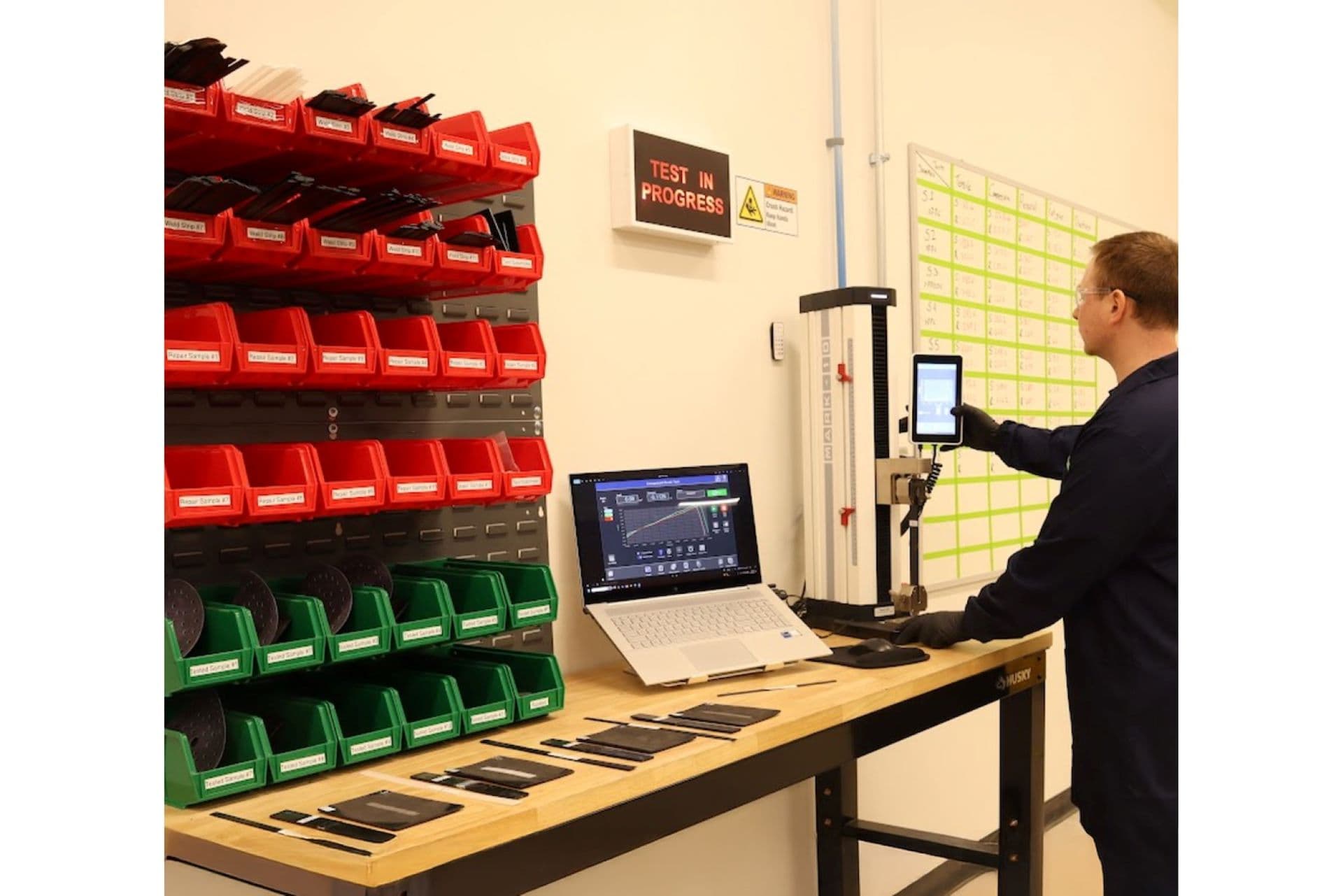
All testing is being carried out through a leading ISO-accredited U.S. laboratory, with results independently verified. This scientific approach is paired with real-world application via the Plasnomic Technical Ambassador Team, ensuring that lab performance reliably translates to consistent workshop results.
According to Mario Dimovski, head of Plasnomic’s Global Plastic Repair Alliance Council, the initiative represents “a defining moment” for the industry, laying the groundwork for safe, scalable and data-driven repair standards worldwide.
A Broader Effort Toward Industry Standardisation
The polypropylene weld initiative is only the beginning. Plasnomic plans to expand its testing to additional materials and repair equipment, aiming to build a comprehensive standard-setting ecosystem for the collision repair sector. With plastic components among the most frequently replaced—and costliest—parts in automotive repairs, the programme has the potential to significantly influence repair outcomes, sustainability objectives and even insurance practices.