A struggling East London technical school without government funding has secured backing from major motor industry bodies.
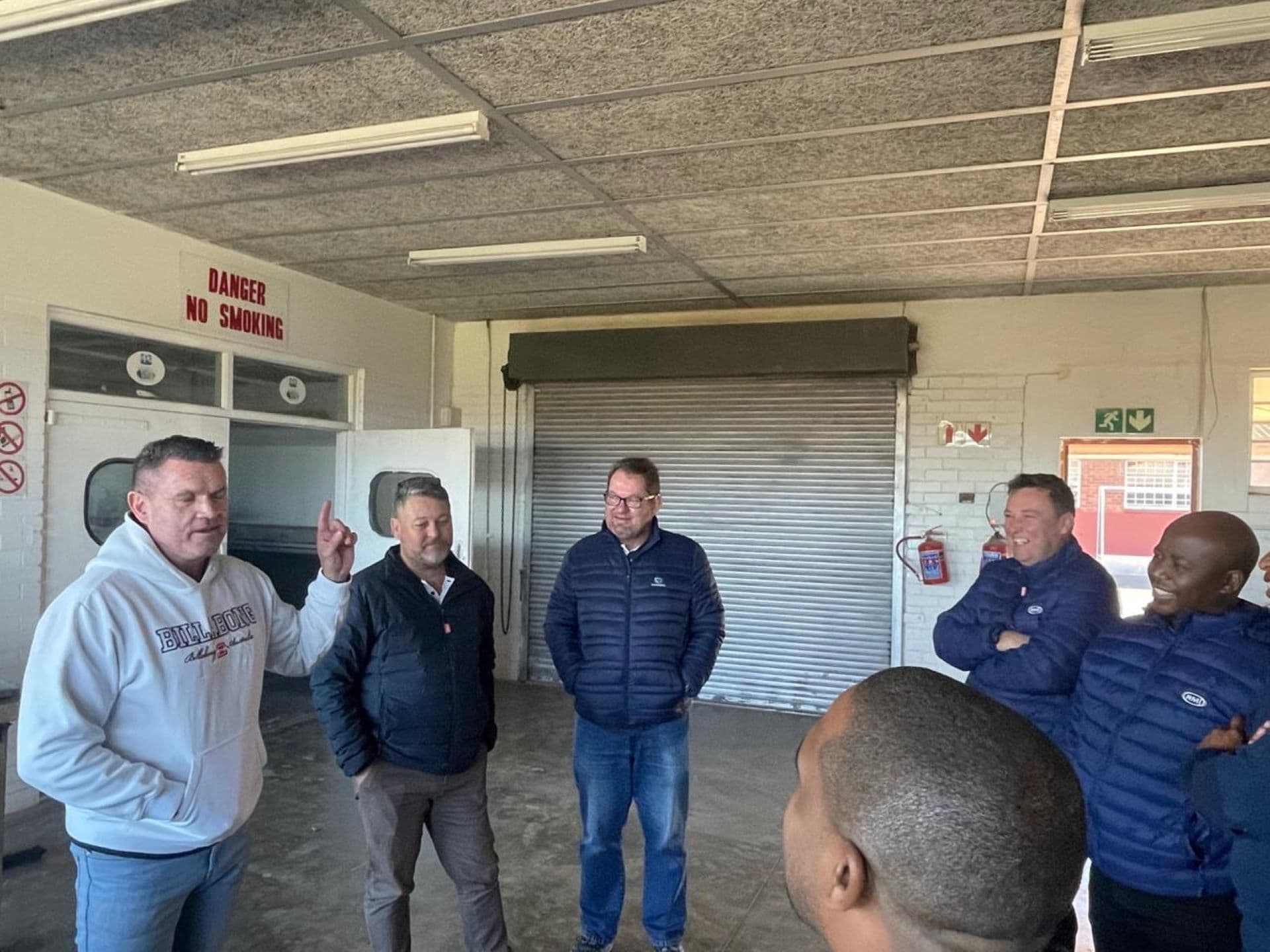
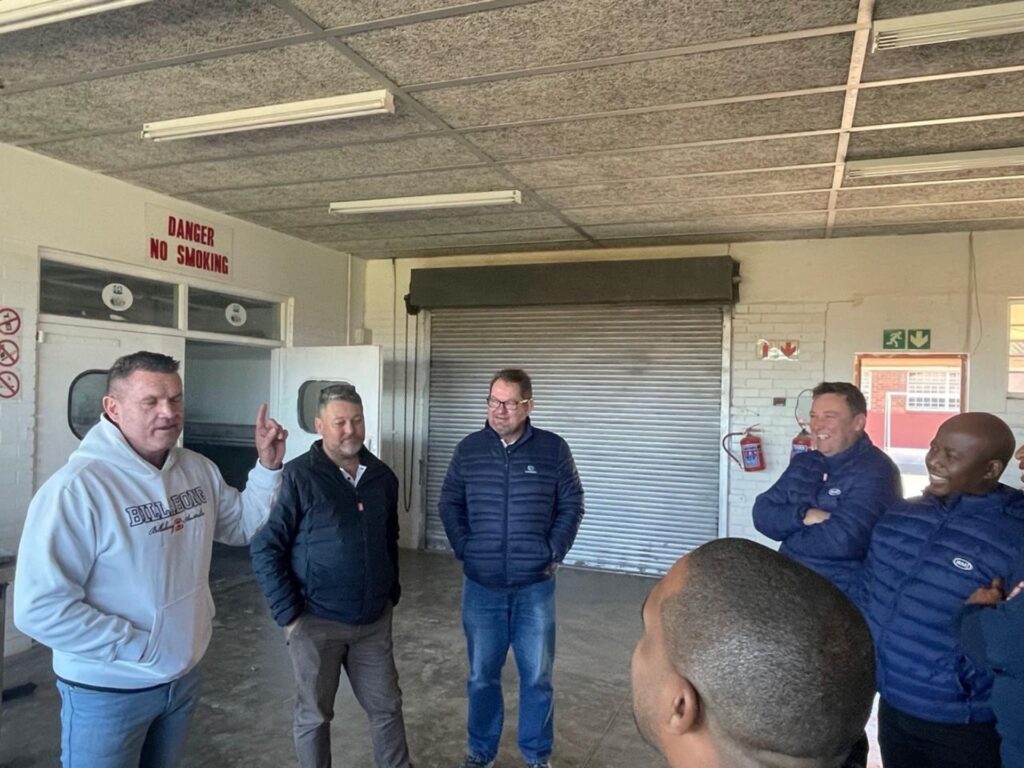
The South African Motor Body Repairers' Association (SAMBRA) and Retail Motor Industry Organisation (RMI) visited Baysville School of Skills last month, signalling potential collaboration in addressing South Africa's skills shortage.
Baysville operates just two kilometres from Port Rex Technical High School, where annual motor mechanics competitions are held. SAMBRA is now considering hosting a dedicated motor body repair skills competition at the school.
"It was truly inspiring to witness the level of skill, commitment, and potential in thelearners at Baysville," said Abie Kriek, SAMBRA's associational representative. "Wecame away with a renewed sense of purpose to strengthen ties with schools likeBaysville that are nurturing the artisans of tomorrow."
The school specialises in panel beating and spray painting, offering practical training to students who struggle in traditional academic settings. With a 95% employment rate among panel beating graduates and the Eastern Cape's only school-level spray painting workshop, Baysville has established itself as a regional training hub.
Students work on real customer vehicles, producing results that rival seasonedprofessionals. The school's workshops are considered among the province's best,according to industry observers.
However, Baysville faces severe financial constraints. The institution receives nogovernment funding and relies on school fees, of which only 42% are collectedannually. Despite these challenges, staff commitment remains strong.
"What this school achieves with limited resources is nothing short of extraordinary,"said Juan Hanekom, SAMBRA's national director. "It's a perfect example of why wemust support institutions that offer a second chance to young people who mayotherwise fall through the cracks."
The motor body repair sector has traditionally been male-dominated, but industryleaders say women are increasingly making their mark through attention to detailand technical skills. Apprenticeships remain crucial for building sustainable careersin a sector desperately needing skilled artisans.
Registered apprentice numbers have declined since 2014, raising concerns aboutfuture skills shortages. SAMBRA and RMI plan continued engagement withBaysville, exploring assistance with training resources, workplace approvals, andmentorship programmes.
"This is not just a partnership," concluded Hanekom. "It's a shared vision to ensureevery young South African, regardless of their circumstances, has a pathway to adignified and sustainable career."