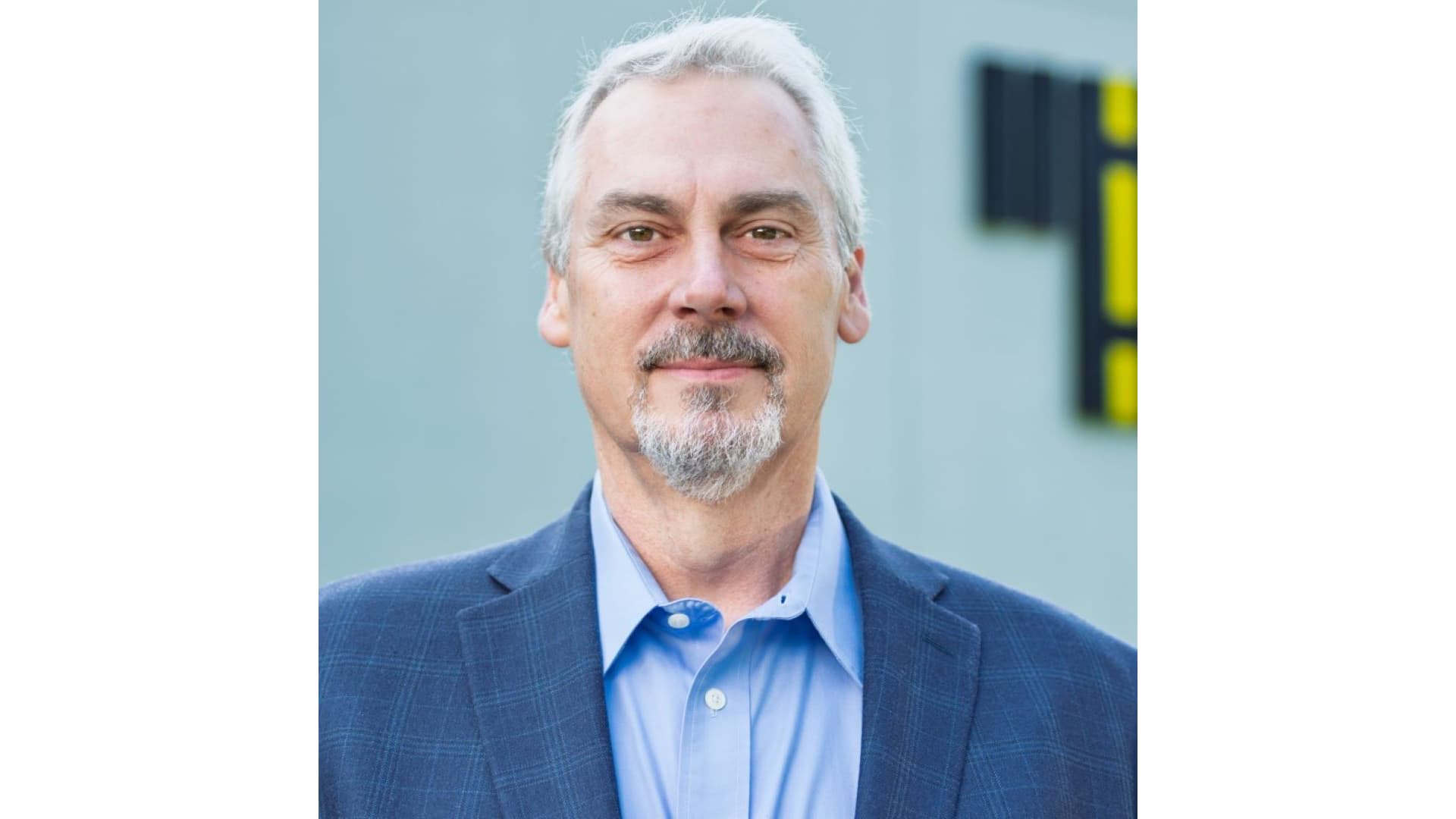
David Harkey, president of the Insurance Institute for Highway Safety and the Highway Loss Data Institute in the U.S., has urged industry stakeholders and legislators to strengthen their commitment to vehicle safety, despite notable progress in modern automotive technology.
Speaking during a TechTalk 360 webinar, Harkey explained that as more vehicles equipped with advanced driver assistance systems enter the market, workshops have become better at performing post-collision recalibrations. He attributed this improvement to enhanced technician training, upgraded equipment and clearer guidance from manufacturers. However, he emphasised that many systems still lack adequate self-diagnostic capabilities, leaving motorists unaware when critical safety features require attention.
Harkey raised concerns regarding proposals to remove safety features to make vehicles more affordable. With the average vehicle price now around 50,000 dollars (R800,000), he stressed that reducing safety is not a viable solution. He highlighted the long-standing return on investment of life-saving technologies, from seatbelts and airbags to modern electronic stability control. According to Harkey, safe vehicles do not need to be expensive, with some models qualifying for IIHS Top Safety Pick+ status costing under 25,000 dollars (R400,000).
He noted that rising vehicle prices are largely fuelled by consumer demand for larger cars and premium comfort features, including sophisticated Level 2 systems and heated retractable mirrors. Despite cost pressures, Harkey reported that current vehicles perform exceptionally well in crash tests, with strong occupant protection and extensive airbag coverage.
IIHS testing protocols have evolved in response to real-world crash trends. The organisation has recently increased the weight and speed parameters in side impact tests and updated the frontal moderate overlap test to include rear seat passengers, reflecting shifting injury risks. Headlamp assessments have also shown significant influence on crash outcomes; vehicles fitted with high-rated headlights are substantially less likely to be involved in nighttime single-vehicle crashes.
Front crash prevention systems have improved over time, with most vehicles performing strongly at earlier test speeds of 12 and 25 miles per hour. However, elevated real-world collision speeds prompted IIHS to raise test velocities to 43 miles per hour, resulting in a drop in top ratings. Harkey expressed confidence that manufacturers will respond with further system improvements.
Pedestrian safety remains a major focus, particularly because three-quarters of pedestrian fatalities occur at night. The IIHS has recorded strong performance from vehicles with pedestrian automatic emergency braking, with significant reductions in crash rates. Nonetheless, collision severity is increasing even as overall incident frequency declines.
Looking ahead, Harkey said that widespread adoption of automatic emergency braking is expected by 2040. He called for a national shift toward a person-centric safe system approach, prioritising built-in redundancy, collaboration and policy measures such as reduced speed limits and improved roadway lighting. Enhanced crosswalk technologies, including rapid flash beacons combined with triggered illumination, have already shown dramatic improvements in driver yielding behaviour.
Harkey concluded that no road user should die due to a simple mistake, reinforcing the need for layered protections and shared responsibility across the transportation ecosystem.