South Africa's automotive sector is accelerating efforts to develop the skills needed to support the growing adoption of new-energy vehicles (NEVs), with industry stakeholders placing increased emphasis on electro-mobility training and workforce development.
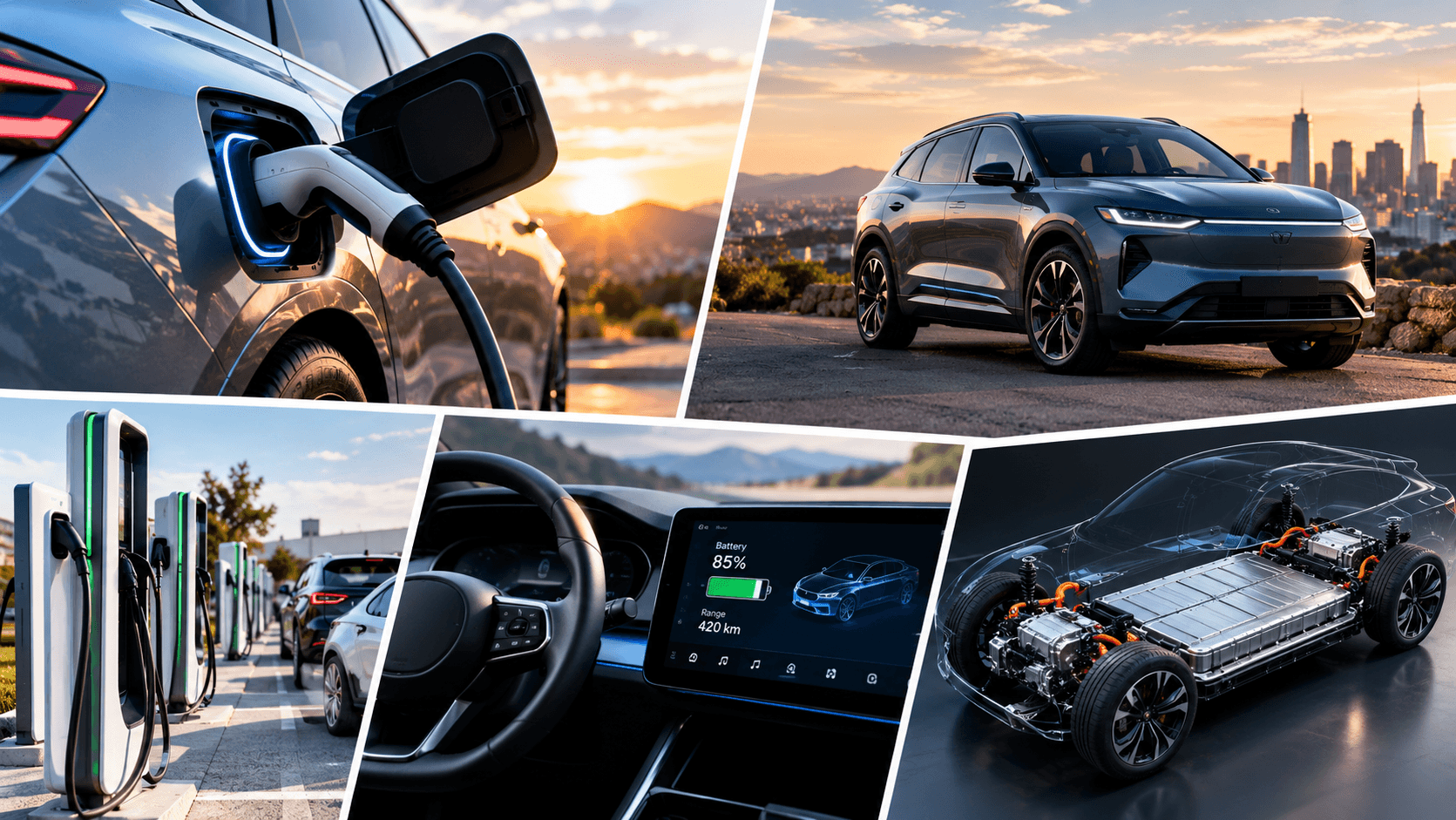
According to information highlighted by the Motor Industry Workshop Association (MIWA), the demand for specialised electric and hybrid vehicle expertise is expanding alongside record levels of NEV sales. Industry data indicates that nearly 19 000 new-energy vehicles were sold during the first eight months of 2026, already surpassing total sales achieved during the previous year.
As more electrified vehicles enter the local market, automotive businesses are preparing for changes that will require new technical skills, enhanced safety awareness and a broader understanding of advanced vehicle technologies.
New Qualification Aims to Support Industry Growth
A major development in South Africa's electro-mobility journey is the approval of the Electro Mobility Service Assistant Occupational Skills Programme by the Quality Council for Trades and Occupations (QCTO).
Although the qualification is awaiting completion of its final assessment approval process before implementation, it represents an important step towards creating a structured entry point into the electro-mobility sector.
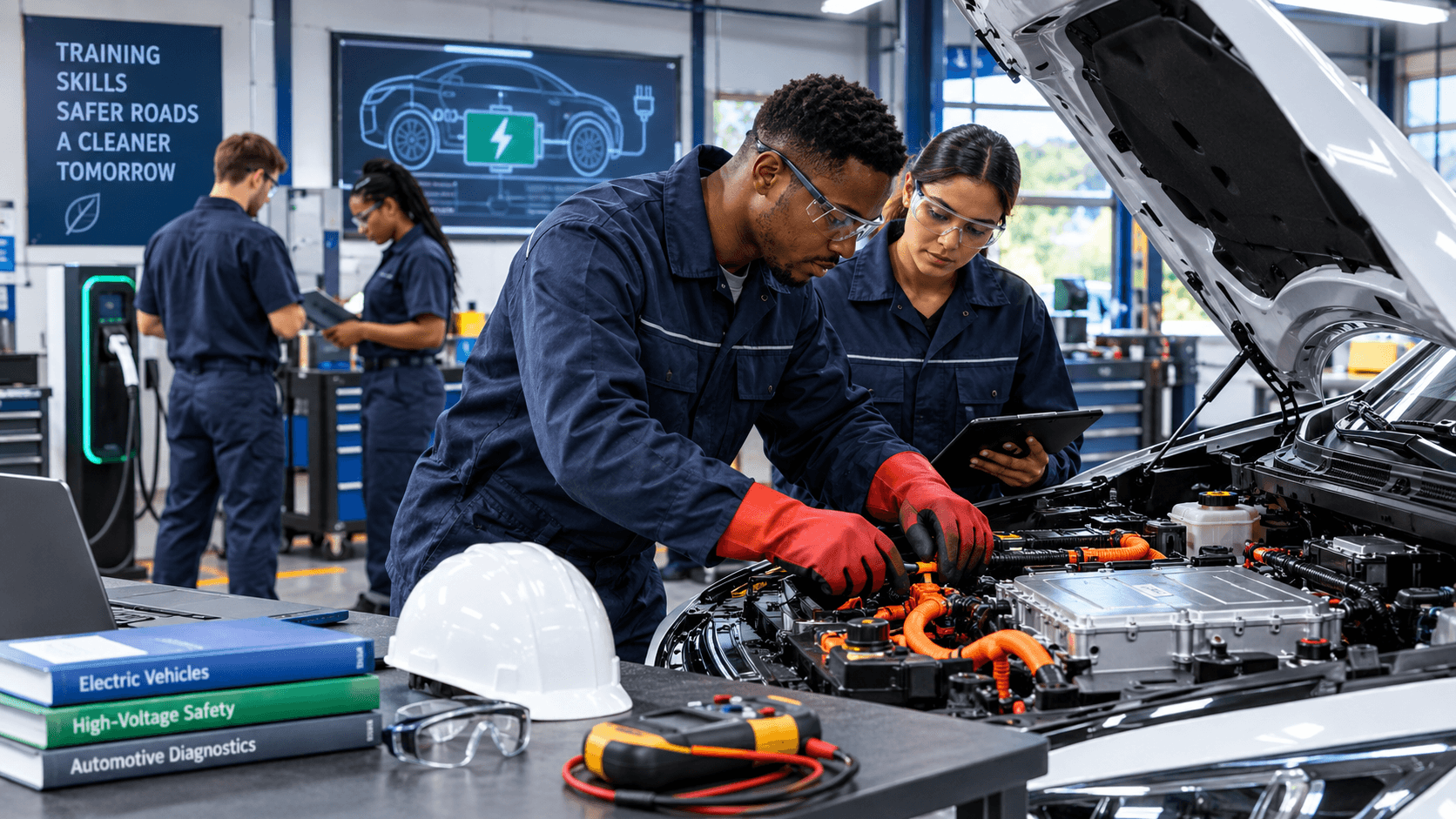
The NQF Level 2 programme will provide learners with 57 credits and will focus on essential competencies required when working around electrified vehicles. Areas of study are expected to include high-voltage safety awareness, workshop safety procedures, diagnostic tools and the correct use of specialised equipment associated with electric and hybrid vehicle systems.
Industry leaders believe the programme will help establish a foundation of skills that can support the long-term growth of South Africa's evolving automotive landscape.
Advanced Training Opportunities in Development
Skills development efforts extend beyond entry-level qualifications. Additional programmes are currently being developed to support more advanced technical roles within the industry.
Among these are specialist qualifications aimed at Hybrid Vehicle Technicians and Battery Electric Vehicle Technicians. These initiatives are intended to provide clear career pathways for technicians seeking to expand their expertise in emerging vehicle technologies.
The programmes form part of a broader effort to ensure that the automotive workforce remains capable of servicing, maintaining and diagnosing increasingly complex vehicles as electrification gains momentum.
Electro-Mobility Skills Reach Beyond Technicians
Industry stakeholders emphasise that the transition to electric mobility will affect a wide range of businesses and professions across the automotive value chain.
While vehicle technicians will play a central role, companies involved in diagnostics, auto electrical services, body repairs, parts distribution, tyre fitment and vehicle recovery operations are also expected to require a greater understanding of electrified vehicle technologies and safety procedures.
As the number of electric and hybrid vehicles increases, professionals across these sectors will need to adapt their skills to safely and effectively support changing customer needs.
Customer-Facing Roles Also Need New Knowledge
The skills shift extends beyond workshop environments and technical occupations.
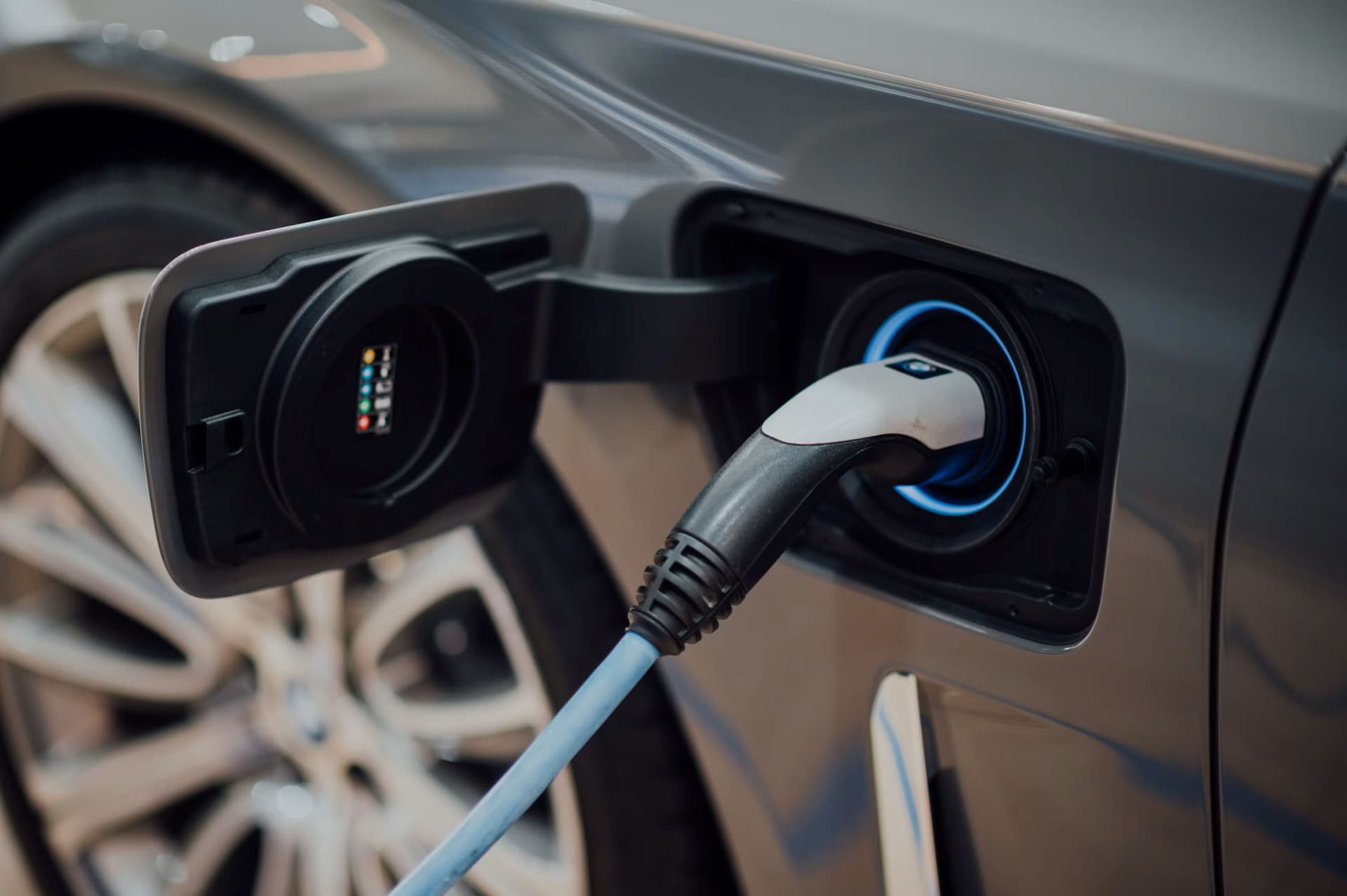
Sales consultants, service advisors, aftersales representatives and parts specialists will increasingly need a working knowledge of electric vehicle technology, charging systems, battery terminology and safety considerations. This will enable them to provide accurate information and support to customers as interest in electrified mobility continues to grow.
Industry bodies note that these new competencies are designed to complement existing automotive qualifications rather than replace them. The objective is to build on established expertise while creating nationally recognised and quality-assured skills that remain relevant in a changing marketplace.
Preparing for the Future of Mobility
With electric and hybrid vehicle adoption continuing to gather pace, investment in education and workforce readiness is becoming a strategic priority for South Africa's automotive industry.
By introducing new qualifications, expanding specialist training opportunities and encouraging broader industry participation, stakeholders aim to ensure that businesses and professionals remain equipped for future technological developments.
As the country's electro-mobility sector continues to evolve, these training initiatives are expected to play a key role in supporting sustainable industry growth and preparing the workforce for the vehicles of tomorrow.