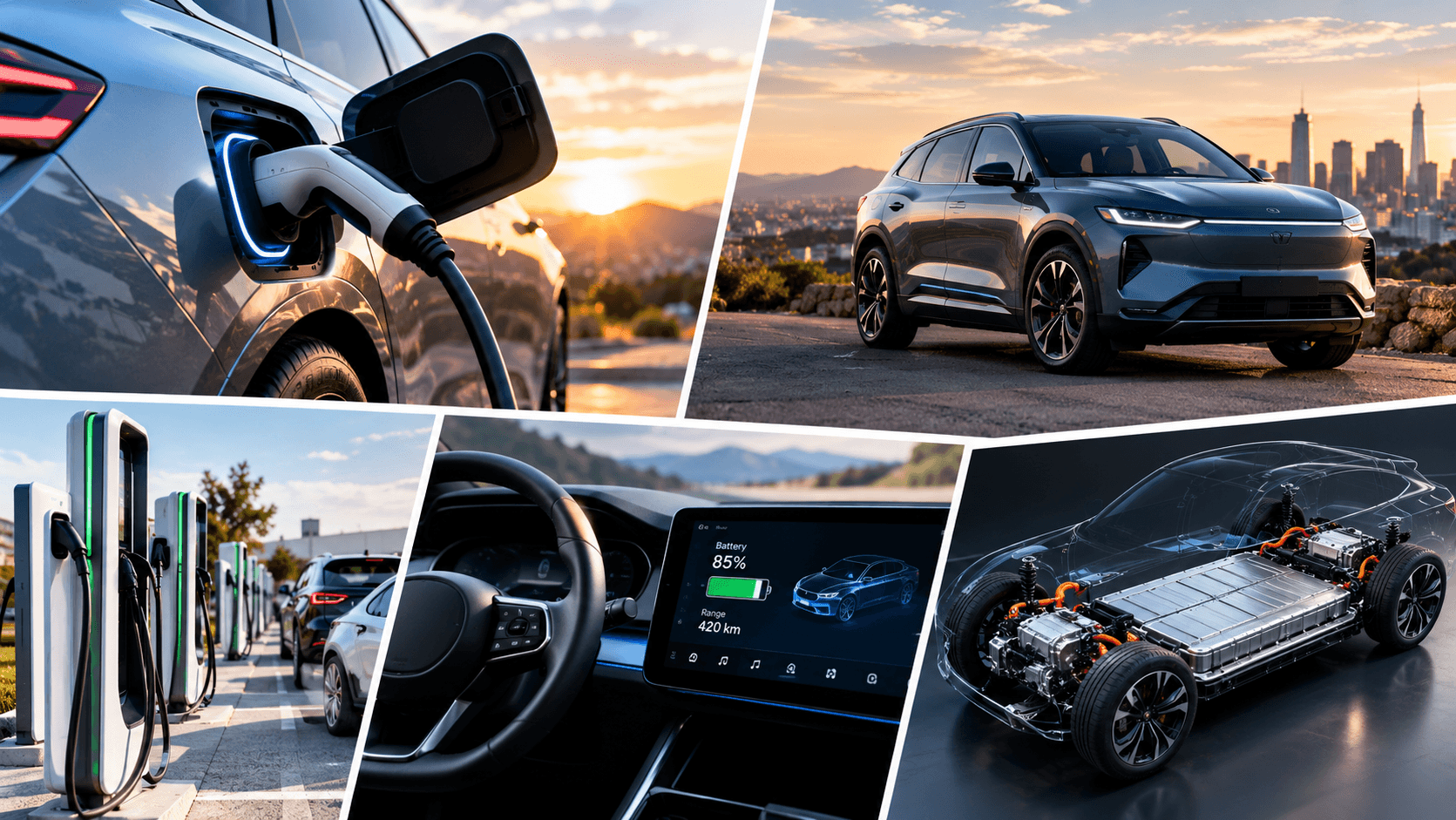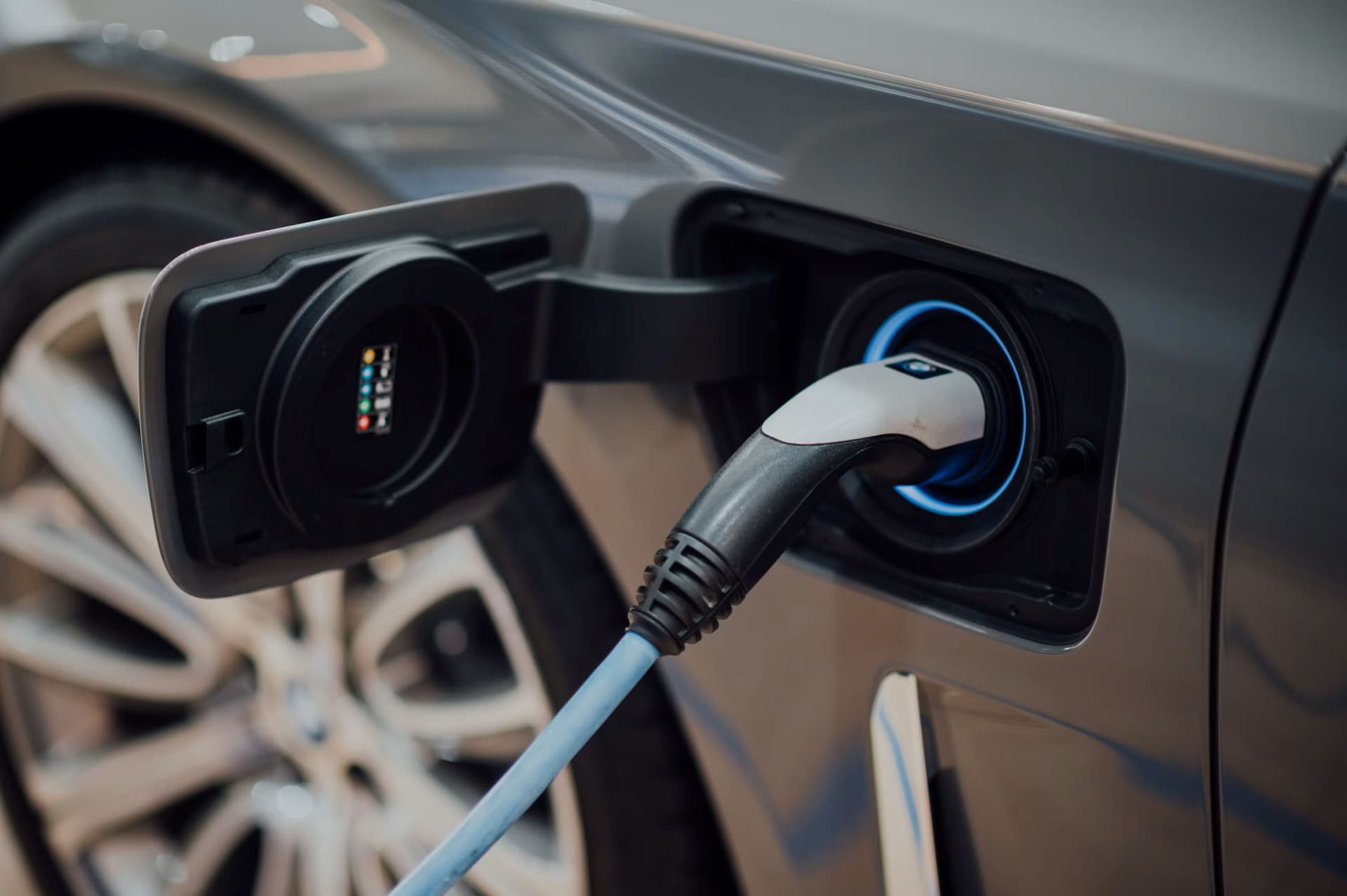
World EV Day on 9 September highlights a growing reality for South Africa's automotive sector: electric and plug-in hybrid vehicles are steadily becoming part of the local vehicle landscape, bringing new demands for the country’s accident repair industry.
Although electrified vehicles still represent a relatively small portion of the national vehicle parc, their increasing presence is already influencing the way collision repairs are assessed, planned and executed. Unlike conventional internal combustion engine vehicles, EVs and plug-in hybrids incorporate sophisticated electrical systems that require specialised repair knowledge and safety procedures.
According to the South African Motor Body Repairers’ Association (SAMBRA), a constituent association of the Retail Motor Industry Organisation (RMI), the local repair sector is actively preparing for this transition through enhanced training programmes, investment in workshop equipment and the implementation of updated safety standards. However, certain repairs may take longer due to the specialist skills and procedures involved.
Juan Hanekom, National Director of SAMBRA, says one of the most critical considerations when repairing electrified vehicles is the management of high-voltage systems.
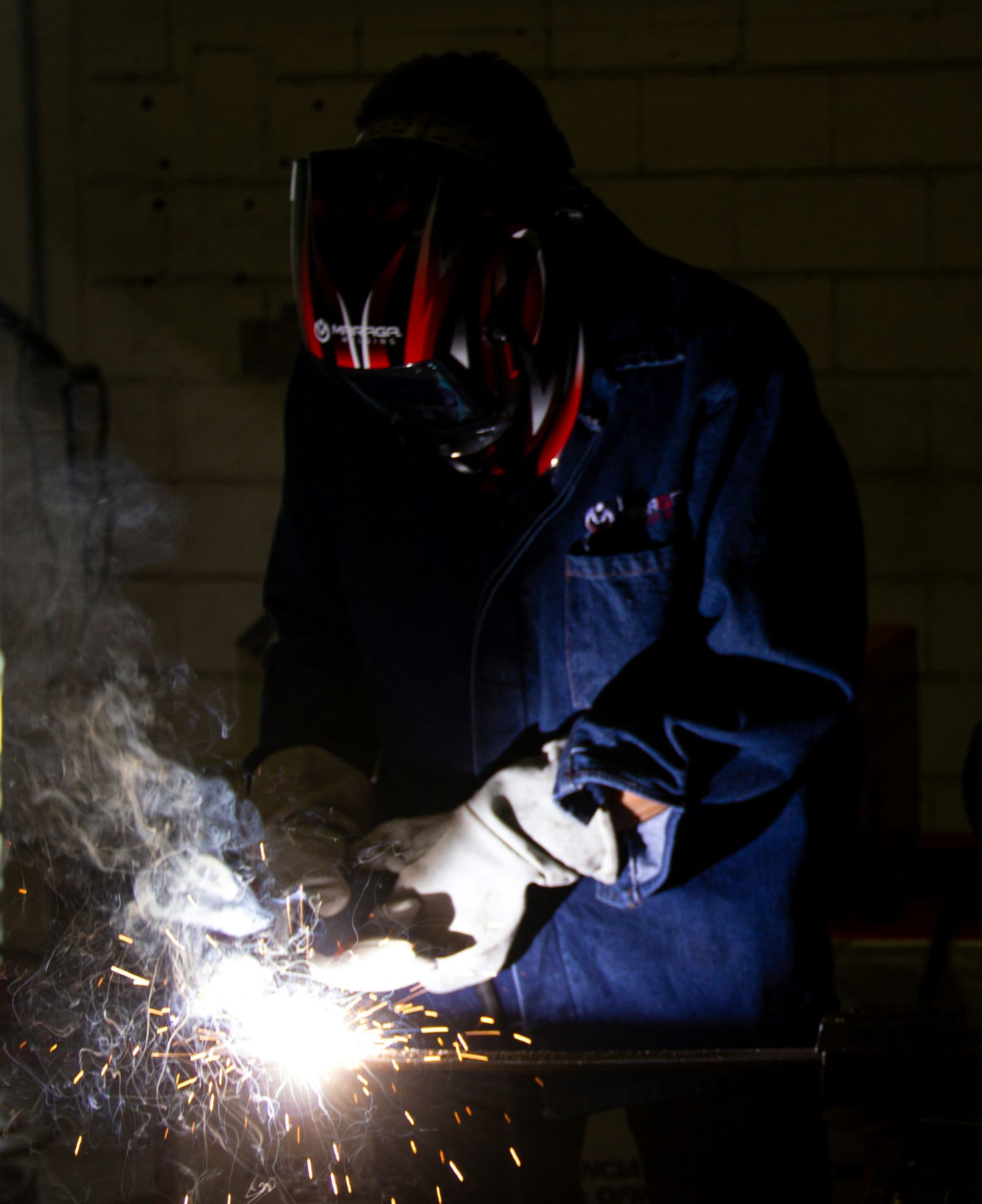
Depending on the severity and location of the damage, technicians may first need to safely isolate and deactivate the vehicle’s high-voltage components before any repair work can begin. Once repairs are complete, those systems must be professionally reactivated and tested by appropriately qualified personnel. These processes are essential for protecting both repair technicians and vehicle owners.
Hanekom notes that South Africa currently has a limited pool of technicians qualified to work on high-voltage vehicle systems, particularly outside major metropolitan areas. This reflects the relatively early stage of EV adoption in the country, where demand for such expertise is still developing.
As a result, damaged electrified vehicles may sometimes need to be referred to specific repair centres or specialist technicians. This can introduce additional logistical considerations and, in some cases, affect repair turnaround times.
SAMBRA emphasises that these challenges are not a sign that the motor body repair industry is lagging behind technological change. Instead, they form part of a broader industry-wide transition as new vehicle technologies become increasingly mainstream.
Repair businesses across South Africa are investing in high-voltage training, appropriate workshop infrastructure and rigorous safety protocols to prepare for future growth in electrified vehicle ownership. As adoption increases, the number of qualified technicians and approved repair facilities is expected to expand accordingly.
For motorists, SAMBRA advises that high-voltage repair requirements are generally considered as part of the overall repair assessment process. The exact procedures may vary depending on the vehicle manufacturer’s specifications, insurer requirements and the repair programme being followed.
Vehicle owners are encouraged to use accredited repair facilities and engage with their insurers as early as possible following an accident. Doing so can provide clarity on repair requirements and determine whether specialist handling will be necessary.
Hanekom believes successful EV collision repairs will depend on ongoing collaboration throughout the automotive value chain. Repairers must continue developing technical expertise, manufacturers need to support access to vehicle-specific repair information and training, and insurers must recognise and accommodate the correct repair procedures during assessment and authorisation.
The motor body repair industry has successfully adapted to previous waves of technological advancement, including advanced driver assistance systems (ADAS), increasingly complex vehicle electronics and the widespread use of lightweight materials. Electrified vehicles represent the next phase of this evolution.
As South Africa’s EV population continues to grow, SAMBRA expects the industry’s technical capabilities and skills base to strengthen in parallel. The message to motorists is clear: the collision repair sector is preparing for the future, and the standards required to repair electric and plug-in hybrid vehicles safely will continue to evolve alongside the market.