The rise of hybrid and electric vehicles (EVs) has significantly transformed the automotive industry.
These vehicles are not only designed with advanced technologies but also integrate unique materials and high-voltage systems. For collision repair professionals, welding on hybrid and electric vehicles presents distinct challenges, requiring a nuanced understanding of both safety protocols and specialized techniques. This article explores the critical aspects of welding on these advanced vehicles, highlighting safety precautions, material considerations, and the importance of ongoing training.
Safety precautions is a top priority
The primary concern when working on hybrid and electric vehicles is safety. The integration of high-voltage systems in these vehicles can pose significant risks if not handled correctly. Technicians must always disable both the 12-volt and high-voltage systems before initiating any welding. The high-voltage systems in hybrid and electric vehicles can store lethal amounts of electricity, making it crucial to de-energize the vehicle before any welding work begins.
Technicians should not only disconnect the 12-volt battery but also remove the high-voltage battery service disconnect. This ensures that the vehicle is completely safe to work on. “Always keep any removed fuses, relays, or service plugs in your pocket to prevent accidental reinstallation,” is a common safety tip shared by industry experts. This simple step prevents others in the workshop from inadvertently reactivating the vehicle's systems, which could lead to severe injury or even death.
Volvo’s position statement on welding emphasizes the need for stringent safety measures. “Always disconnect the 12V battery prior to welding; always de-energize the high-voltage system prior to welding; and always remove high-voltage components within 12 inches (300 mm) of the area being welded,” the statement reads. These guidelines are not merely recommendations but are essential protocols to ensure the safety of both the technician and the vehicle.
Understanding advanced materials
Hybrid and electric vehicles often employ a variety of lightweight and advanced materials to improve efficiency and offset the weight of the battery systems. These materials, including aluminum and high-strength steel, require specialized welding techniques that differ significantly from traditional automotive welding.
Aluminum Welding
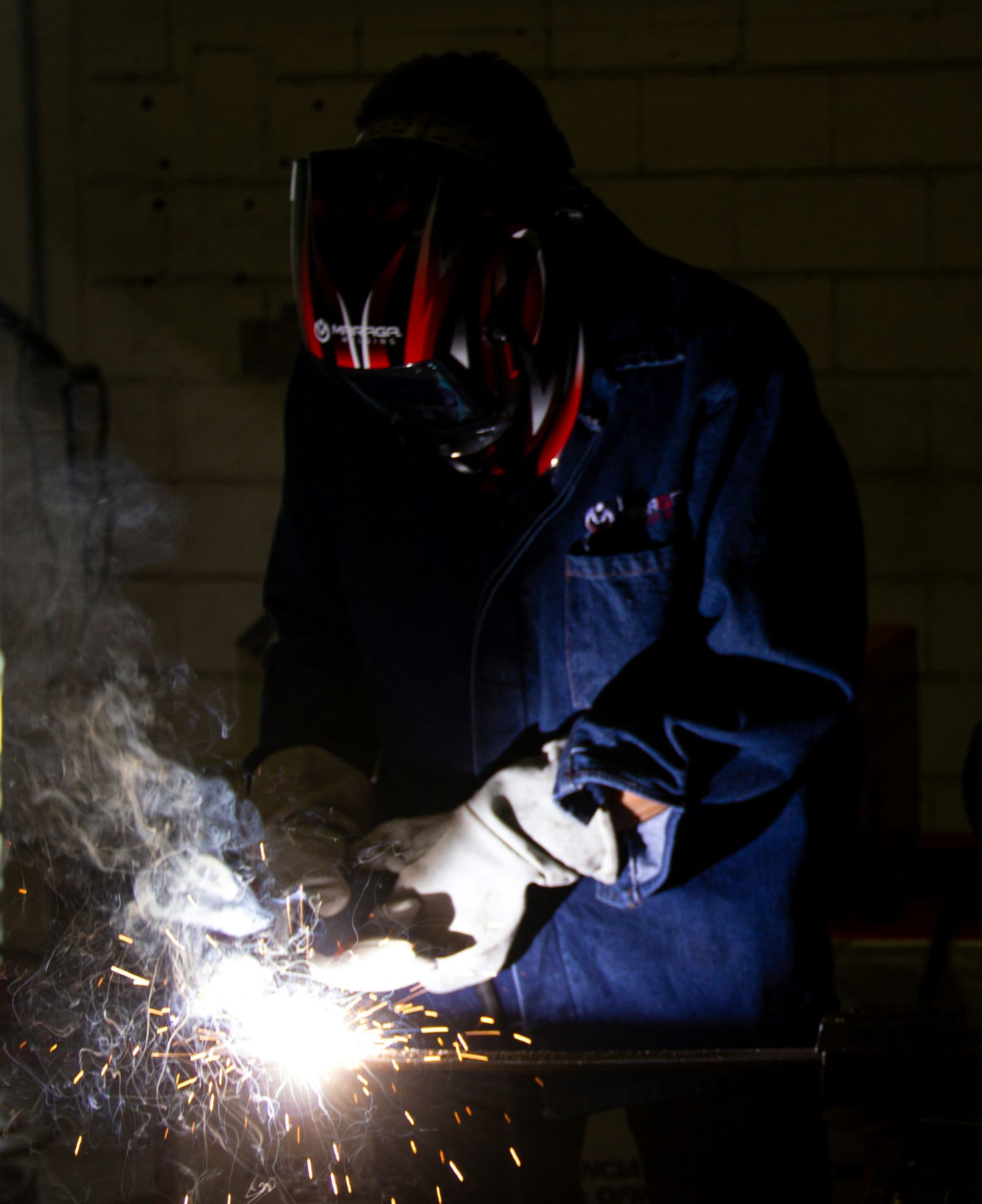
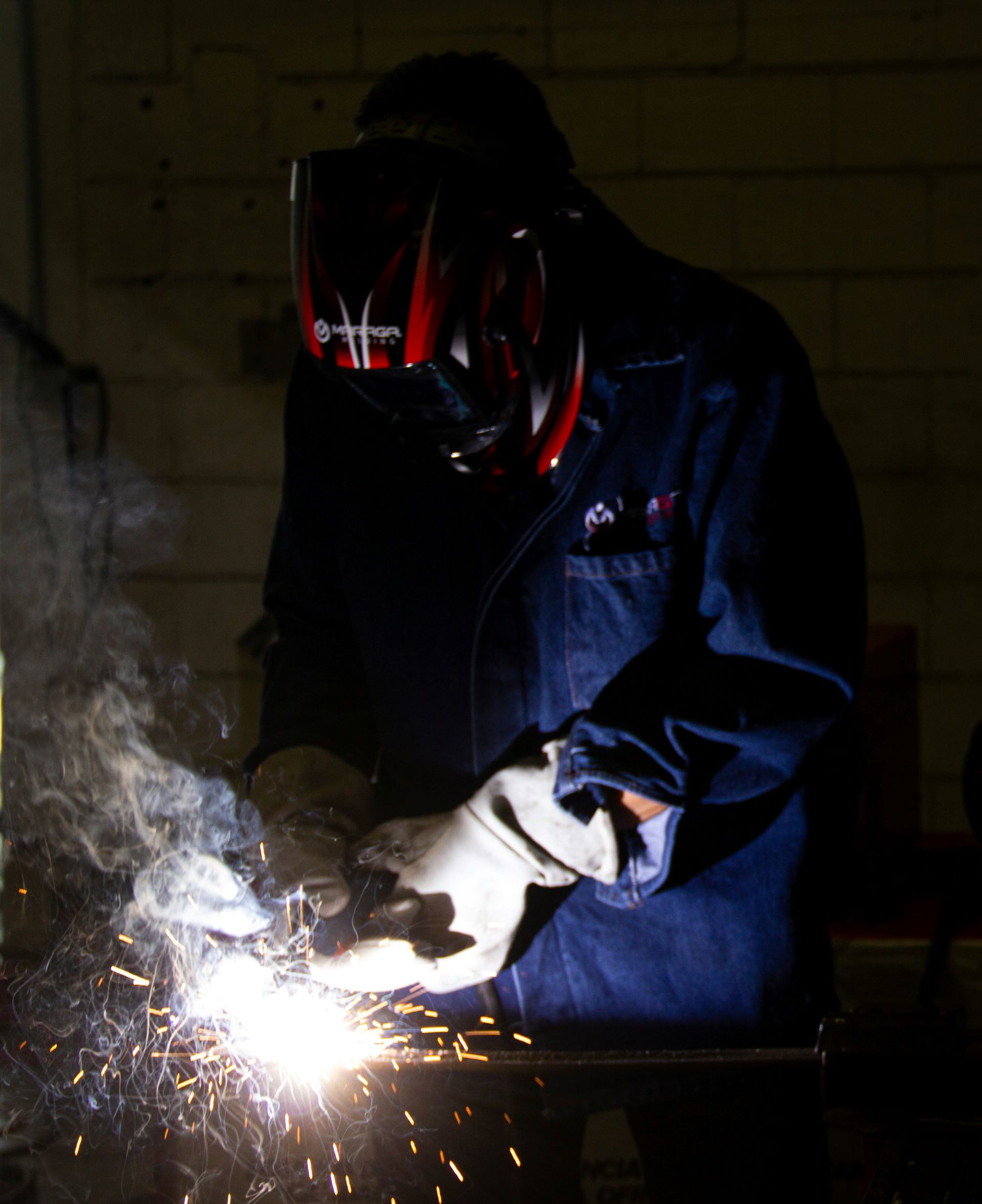
Aluminum is increasingly used in hybrid and electric vehicles due to its lightweight properties and resistance to corrosion. However, welding aluminum is more challenging than steel due to its lower melting point and higher thermal conductivity. These characteristics make aluminum prone to issues like burn-through and distortion if not handled with precision.
When welding aluminum, technicians must use appropriate welding methods such as Gas Metal Arc Welding (GMAW) with specific aluminum wire and gas mixtures. The correct heat settings and techniques are crucial to prevent defects and ensure a strong, durable weld. Additionally, aluminum parts often require pre-cleaning to remove any oxide layer that could compromise the weld quality.
High-Strength Steel
High-strength steels are commonly used in the structural components of hybrid and electric vehicles. These materials provide enhanced crashworthiness and reduce vehicle weight. However, welding high-strength steel poses its own set of challenges. The material’s strength can be compromised if exposed to excessive heat, making controlled heat input critical during the welding process.
Technicians must be adept at methods like Squeeze-Type Resistance Spot Welding (STRSW) or Gas Tungsten Arc Welding (GTAW) for high-strength steel. These techniques help maintain the integrity of the material, ensuring that the vehicle's structural strength is not diminished post-repair.
Training and equipment is the cornerstone of effective welding
As hybrid and electric vehicles continue to evolve, so too must the skills of collision repair professionals. Training is a cornerstone of effective and safe welding on these advanced vehicles. Technicians must stay current with the latest techniques and manufacturer-specific guidelines to ensure proper repairs.
Specialized Training Programs
Many manufacturers offer specialized training programs for technicians working on hybrid and electric vehicles. These programs often include hands-on training with the specific materials and systems used in these vehicles. For example, Tesla’s body repair program provides detailed training on their vehicles’ unique construction, including aluminum and high-strength steel components.
Training courses on welding techniques for hybrid and electric vehicles cover a range of topics, from safety protocols to advanced welding techniques, ensuring that technicians are well-equipped to handle the complexities of modern vehicles.
Investing in the Right Equipment
Equally important is the investment in appropriate welding equipment. The tools and machines used for welding hybrid and electric vehicles must be compatible with the materials and thicknesses encountered. For instance, aluminum welding requires specific equipment such as spool guns and push-pull systems to feed the softer aluminum wire effectively.
High-quality welding machines with adjustable settings for different materials are essential. These machines allow technicians to fine-tune their welding parameters, ensuring precision and minimizing the risk of defects. Additionally, personal protective equipment (PPE) designed for high-voltage environments is crucial to protect technicians from potential electrical hazards.
Challenges and Future Considerations
While the industry has made significant strides in adapting to the unique requirements of hybrid and electric vehicles, challenges remain. One of the primary challenges is the constant evolution of vehicle technology. As manufacturers continue to innovate, new materials and construction methods are introduced, necessitating continuous learning and adaptation by collision repair professionals.
Another challenge is the varying guidelines and procedures set forth by different manufacturers. Each automaker may have specific protocols for welding on their vehicles, making it imperative for technicians to have access to up-to-date repair information. Collaboration between manufacturers and training organizations is essential to ensure that technicians receive accurate and comprehensive training.
Welding on hybrid and electric vehicles is a complex task that requires a deep understanding of safety protocols, material properties, and advanced welding techniques. By prioritizing safety, investing in ongoing training, and using the right equipment, collision repair professionals can effectively navigate the challenges of repairing these advanced vehicles. As the automotive industry continues to evolve, staying informed and adaptable will be key to ensuring safe and high-quality repairs.
In the words of an experienced collision repair technician, "Working on hybrid and electric vehicles is not just about following procedures; it's about understanding the technology and respecting the potential hazards. It's a learning curve, but with the right approach, it's a rewarding one."