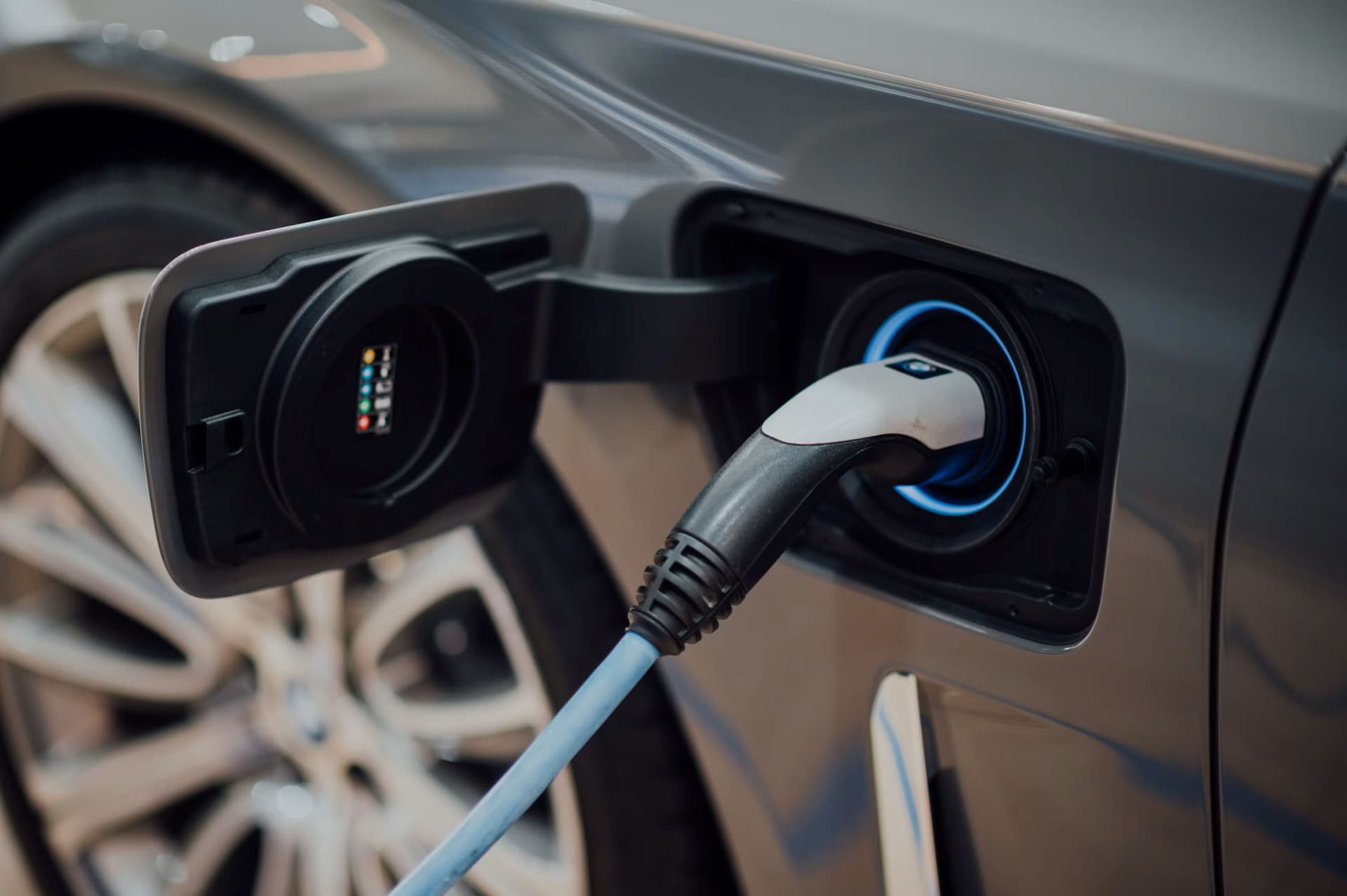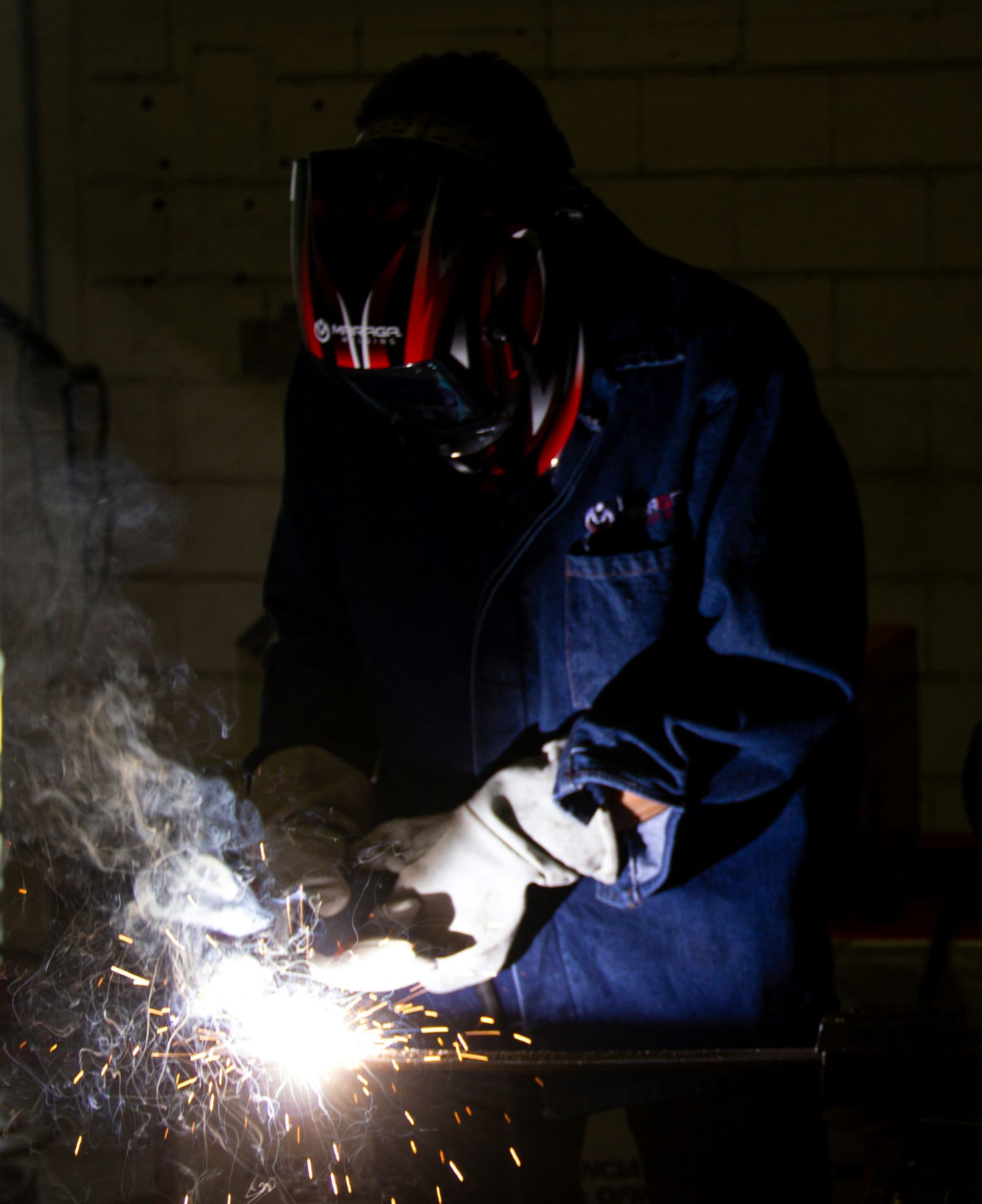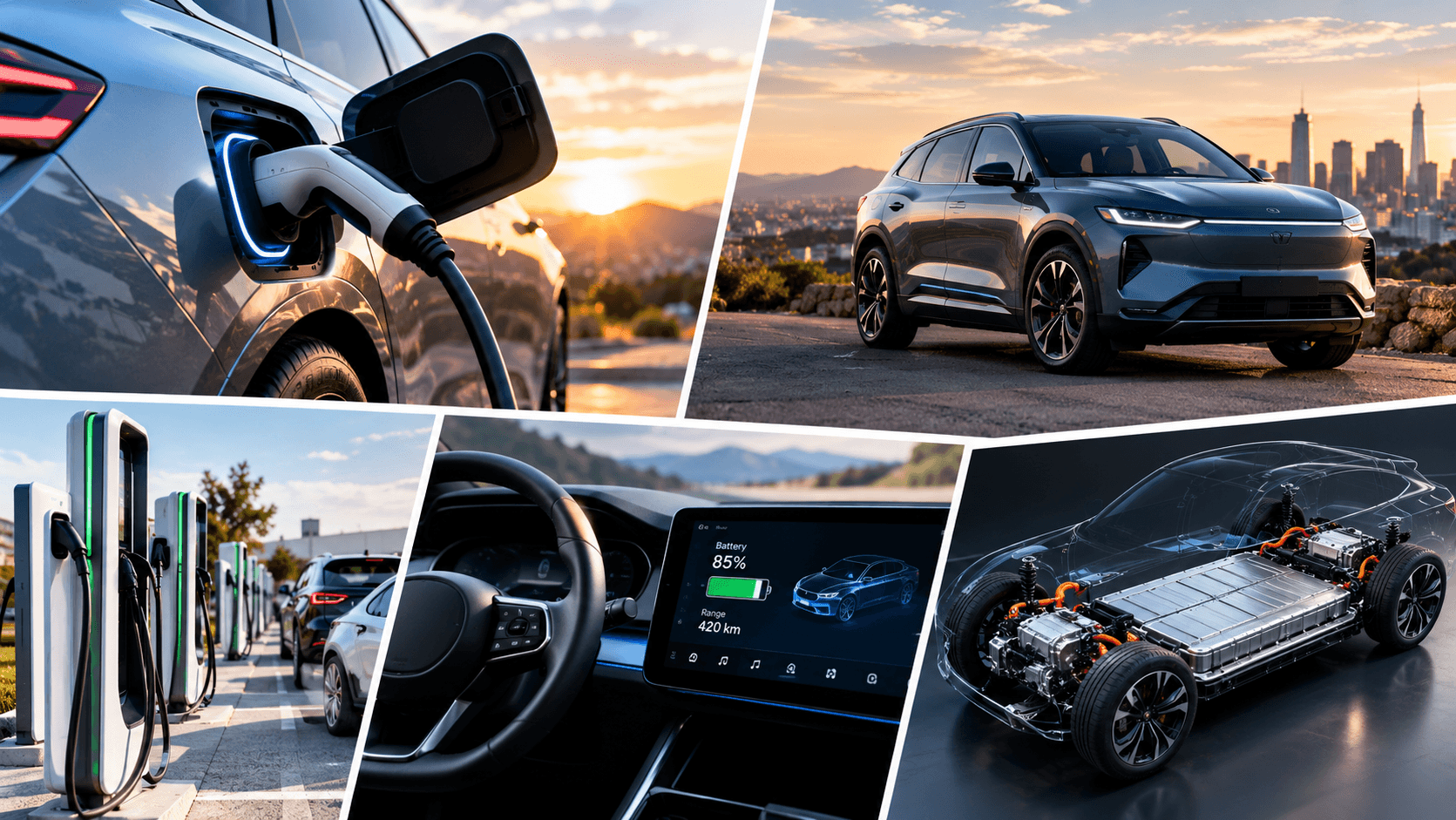
South Africa's automotive sector is accelerating its efforts to prepare for an increasingly electrified future, with new training initiatives being introduced to develop the skills needed to support electric and hybrid vehicles. As new-energy vehicle (NEV) adoption gains momentum, industry stakeholders are placing greater emphasis on ensuring technicians and automotive professionals are equipped to work safely and effectively with emerging vehicle technologies.
According to information published in the latest Motor Industry Workshop Association (MIWA) newsletter, the demand for electro-mobility expertise is growing alongside rising vehicle sales. Industry figures show that 18,945 new-energy vehicles were sold during the first eight months of 2026, already surpassing total NEV sales recorded during the whole of 2025.
The rapid growth of the electrified vehicle market is creating a need for additional technical competencies across the automotive value chain, from vehicle servicing and diagnostics to customer support and parts distribution.
New Skills Programme Approved
A major milestone for skills development in the sector has been the approval of the Electro Mobility Service Assistant Occupational Skills Programme by the Quality Council for Trades and Occupations (QCTO).
Before the programme is officially rolled out nationwide, its Final Integrated Supervised Assessment (FISA) standards must still receive approval from the QCTO Assessment Domain. Once this process has been completed, the qualification will be formally published and made available to learners seeking entry into the electro-mobility field.
The programme is designed as an NQF Level 2 qualification carrying 57 credits and aims to provide an accessible entry point into the growing electro-mobility sector. The curriculum focuses on essential workplace skills and foundational technical knowledge required when working with electric and hybrid vehicles.
Learners will receive training in high-voltage awareness, workshop safety procedures, the use of specialised tools and equipment, diagnostic systems and other key competencies associated with modern electrified vehicle technologies.
Creating Future Career Opportunities
The Electro Mobility Service Assistant qualification forms part of a broader strategy to develop future skills within the automotive sector. Industry training bodies are already working on additional qualifications aimed at producing Hybrid Vehicle Technicians and Battery Electric Vehicle Technicians.
These advanced qualifications are expected to create new career pathways while helping the industry address emerging skills shortages as electrified vehicles become more common on South African roads.
The development process has attracted strong industry support. A total of 45 stakeholders contributed to the programme's design, including 17 representatives from businesses affiliated with the Retail Motor Industry Organisation (RMI). This collaborative approach aims to ensure that training remains aligned with real-world industry requirements.
Skills Needed Across the Automotive Ecosystem
Industry stakeholders emphasise that the growth of electro-mobility will impact far more than traditional vehicle repair workshops. As electric and hybrid vehicles become increasingly common, a wide range of automotive businesses will need to understand the technologies involved.
This includes organisations involved in vehicle repairs, auto electrical services, diagnostics, parts distribution, vehicle recovery operations and tyre fitment services. Each of these sectors will require at least a foundational understanding of electrified vehicle systems and associated safety procedures.
The shift towards electrification is also creating new requirements for customer-facing roles. Sales consultants, parts specialists and aftersales service advisors will increasingly need to understand electric vehicle technology, charging systems, safety considerations and industry terminology in order to assist customers effectively.
Building on Existing Automotive Skills
Industry bodies stress that electro-mobility training is intended to complement existing automotive qualifications rather than replace them. The objective is to provide nationally recognised and quality-assured skills that can be integrated into existing expertise and applied across multiple areas of the automotive industry.
By adding specialised knowledge to traditional automotive training, professionals will be better positioned to adapt to changing technologies while remaining competitive in an evolving market.
Preparing for the Future of Mobility
With new-energy vehicle adoption continuing to accelerate, investment in skills development is increasingly viewed as essential for the long-term sustainability of South Africa's automotive sector. The industry's transition towards electrified mobility will require a workforce capable of supporting new technologies safely, efficiently and confidently.
As manufacturers introduce more electric and hybrid models and consumer interest continues to grow, programmes such as the Electro Mobility Service Assistant qualification are expected to play an important role in preparing South Africa's automotive workforce for the vehicles of the future.