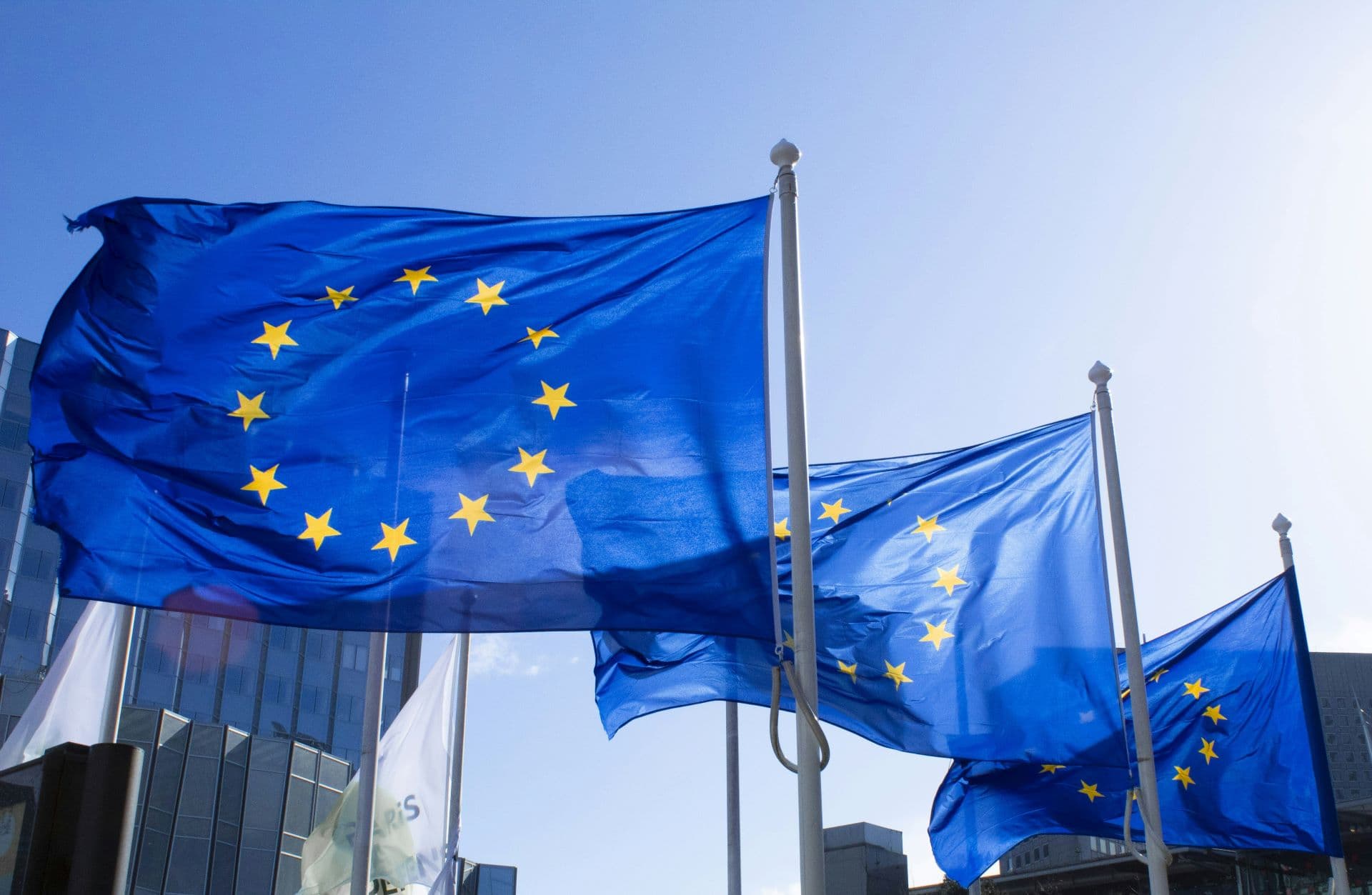
Friday's Brussels summit delivered an unequivocal message: Europe's electric vehicle strategy remains unchanged despite mounting industry pressures.
EU Commission President Ursula von der Leyen's meeting with automotive executives reaffirmed the 2035 combustion engine ban, part of Europe's climate neutrality ambitions for 2050.
"No matter what, the future is electric," a summit insider revealed, adding that industry leaders acknowledge transition necessity. "Even without Commission targets, global competition would impose them."
The automotive sector faces severe challenges: plummeting sales, soaring energy costs, Chinese competition, and US trade hostility. Industry Chief Stéphane Séjourné previously described the situation as "mortal danger" for European manufacturers.
Manufacturers had sought CO₂ target flexibility, but Brussels refused to budge. Industry voices largely endorsed this position.
"I know of no better technology than electric cars for advancing CO₂ reduction in transportation," Audi CEO Gernot Döllner told Wirtschaftswoche, criticising combustion engine debates as "counterproductive."
Fastned CEO Michiel Langezaal emphasised that European e-mobility leadership requires "courage to approach challenges with a growth mindset."
However, electric adoption remains sluggish. Battery vehicles represent just 15.6% of EU passenger car sales and 9% for vans.
"Widespread mass-market adoption hasn't happened," explained European Automobile Manufacturers' Association Director General Sigrid de Vries. "It won't without faster infrastructure development and lower ownership costs."
She criticised insufficient government investment in charging infrastructure and inconsistent incentives, warning that "regulatory targets are no longer achievable."
Industry demands include consistent purchase incentives, fairer taxation, cheaper charging, and better urban access. Europe must rapidly expand charging networks, modernise grids, and reform energy markets to reduce electricity costs.
The stakes are enormous. Automotive manufacturing employs over 13 million Europeans and contributes 7% of EU GDP.
This third strategic dialogue of 2024 highlighted Europe's unwavering electric commitment whilst exposing implementation gaps. The transition proceeds regardless, but success depends on comprehensive government support across infrastructure, regulation, and market mechanisms.
Brussels has spoken: the electric revolution continues. Whether European industry leads or follows depends on bridging the gap between political ambition and practical delivery.