The newly released Crash Course 2026 report from CCC Intelligent Solutions paints a picture of an auto insurance landscape under increasing strain.
Although 2025 appeared stable on the surface, deeper indicators show that claim severity, repair complexity and shifting consumer behaviour are reshaping risk across the sector.
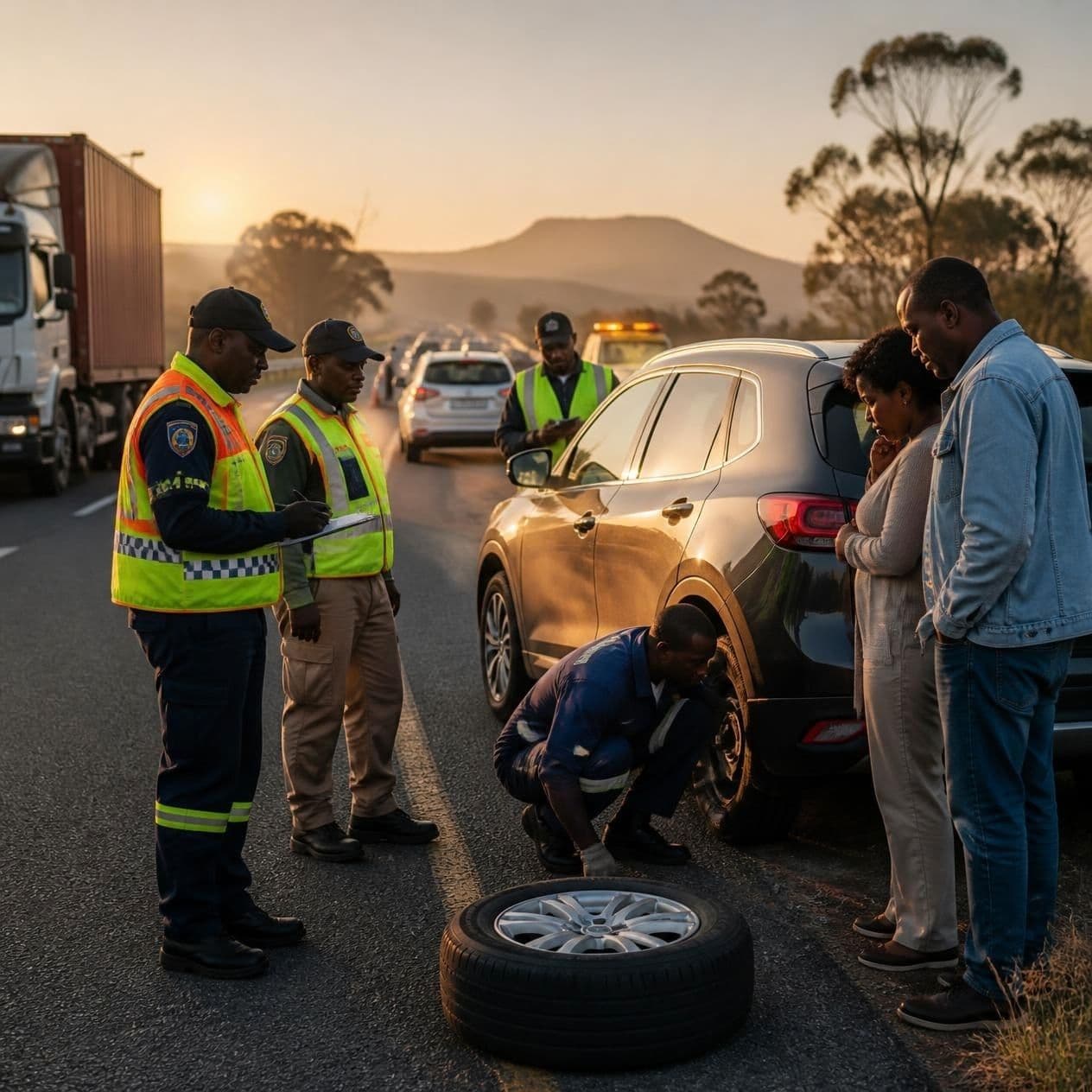
A central theme of the report is rising claim severity. Total loss frequency has reached a record 23.1 percent of all claims, the highest level ever recorded. The sharp increase reflects multiple converging factors, including an ageing vehicle fleet, higher repair costs and a growing tendency for consumers to absorb smaller losses themselves. Average bodily injury claim severity has also risen significantly, climbing 10.3 percent year on year and 32 percent over the past four years.
Affordability pressures are one of the most powerful forces influencing claim patterns. Rising insurance premiums and general household cost pressures are prompting many drivers to increase deductibles or reduce coverage. As a result, lower value claims are less likely to be filed, meaning the claims that do enter the system tend to be higher in severity. This behaviour shift aligns with data cited in the report showing that the share of deductibles of 1,000 dollars or more has risen sharply in recent years. According to a Guardian Service survey referenced in the report, more than one in three consumers delayed or cancelled insurance purchases in 2025 because of financial pressure, while nearly one in four downgraded or entirely dropped cover.
The composition of the vehicle fleet is another concern. There are now 12 million fewer vehicles aged six years or newer on the road compared with 2020. This shift towards older vehicles contributes to higher total loss rates because repair costs often exceed the value of the vehicle. At the same time, modern vehicles that do enter the repair system come with increasingly advanced technology that adds complexity and cost. The report notes that 28.3 percent of repairable estimates now require calibrations for advanced driver assistance systems, a clear sign of the rising technical demands placed on repairers.
Although underwriting results improved in 2025, insurers still face a difficult environment. Higher deductibles and shifts in filing behaviour mean fewer but more expensive claims. Economic uncertainty is amplifying these trends. According to CCC’s analytics team, claim patterns have changed dramatically as consumers balance financial risk with rising living costs.
Vehicle sales patterns add another layer of complexity. While 2025 saw a modest increase in new light vehicle sales, predictions for 2026 suggest a decline, hindered by high prices and interest rates. Fewer new vehicles entering the fleet means continued ageing of the national vehicle population, further influencing claim outcomes.
The Crash Course 2026 report ultimately portrays an ecosystem under sustained pressure. Rising costs, ageing vehicles, increasingly complex repairs and shifting consumer behaviour are combining to reshape auto claims in ways that are likely to persist. As the sector adjusts to these structural changes, insurers, repairers and vehicle owners will all need to adapt to a more complex and costly claims environment.
Read the full report HERE.